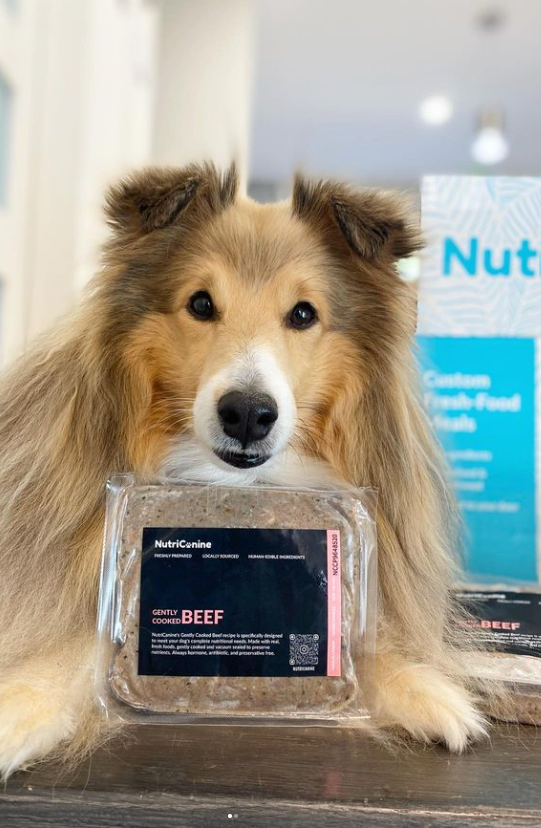
“I have three pups, all picky eaters, and they devoured their meals! I’m so happy to have found a quick, easy and super healthy food.”
 Verified Purchase
Canadian Dog Food Recalls: What You Should Know
Canadian Dog Food Recalls: What You Should Know
For Canadian dog owners, choosing the right food for your dog involves far more than comparing protein percentages or reading ingredient lists. It also means understanding one of the more sobering realities of the commercial pet food industry: recalls. Dog food recalls happen regularly in Canada, and when they do, they can have serious consequences for the dogs who eat the affected products and, in some cases, for the people who handle them.
This article takes a detailed, science-based look at why dog food recalls happen, what contaminants and errors are most commonly involved, how recalls can affect your dog's health, and what practical steps you can take to protect your dog. We'll also explore why an increasing number of Canadian pet owners are turning to fresh food options, such as NutriCanine, as a safer, more transparent alternative to heavily processed kibble.

What Is a Dog Food Recall?
A dog food recall is an action taken to remove a product from the market because it poses a potential or confirmed risk to animal or human health, or because it fails to meet labelling, safety, or nutritional standards. Recalls can be initiated at different stages of the supply chain and for many different reasons, ranging from contamination discovered during routine testing to consumer complaints that trigger an investigation.
Voluntary vs. Mandatory Recalls
In Canada, most pet food recalls are voluntary, meaning the manufacturer or distributor initiates the recall themselves, often after identifying a problem through internal quality control or after being notified by the Canadian Food Inspection Agency (CFIA). Mandatory recalls, where a regulatory body orders a product off the market, are less common but do occur when a company fails to act or the risk to health is significant and imminent.
Voluntary recalls should not be interpreted as a sign of goodwill alone. In many cases, they are the result of regulatory pressure, consumer reports of illness, or positive test results for dangerous pathogens or toxins. Regardless of how a recall is initiated, the underlying safety concern is equally serious.
The Role of the Canadian Food Inspection Agency (CFIA)
The CFIA is the primary federal agency responsible for overseeing the safety of commercial pet food sold in Canada. Pet food is regulated under the Feeds Act and Regulations, which govern the composition, labelling, and manufacturing of animal feeds including products intended for dogs and cats. The CFIA has the authority to inspect pet food manufacturing facilities, test products, and issue public recall warnings. Manufacturers who sell pet food in Canada are required to comply with CFIA standards, though enforcement capacity and testing frequency vary.
It is worth noting that the regulatory framework for pet food in Canada is generally considered less stringent than that applied to human food. This difference in oversight is one reason why contamination and formulation errors sometimes go undetected until products have been on the market for weeks or months.
It is worth noting that the regulatory framework for pet food in Canada is generally considered less stringent than that applied to human food. This difference in oversight is one reason why contamination and formulation errors sometimes go undetected until products have been on the market for weeks or months.
How Recalls Are Communicated to Consumers
When a recall is issued, the CFIA publishes a recall notice on its official website and through the Health Canada recall database. Notices typically include the product name, brand, lot numbers, and best before dates of affected products, along with guidance for consumers. However, these notices do not automatically reach everyone who purchased the affected product. Unless you actively monitor recall databases or subscribe to alert services, you may not learn about a recall until well after the fact. This communication gap is one of the key vulnerabilities in the current system, and it's part of why understanding the broader landscape of dog food safety is so important for pet owners.

Why Dog Food Recalls Happen
Recalls are rarely the result of a single isolated mistake. More often, they reflect systemic vulnerabilities in the pet food supply chain, from raw ingredient sourcing to manufacturing, packaging, storage, and distribution. Understanding these vulnerabilities helps dog owners make more informed decisions about the brands and products they choose.
Bacterial Contamination: Salmonella and Listeria
Bacterial contamination is one of the most frequently cited causes of dog food recalls in North America. The two organisms that appear most often in recall notices are Salmonella and Listeria monocytogenes, both of which pose serious risks to dogs and to the humans who handle their food.
Salmonella
Salmonella is a group of bacteria that can colonise raw meat, poultry, eggs, and certain plant ingredients, particularly when they are improperly handled or stored. In commercial dog food production, Salmonella contamination typically enters the supply chain at the ingredient level, often through raw meat suppliers who operate under different food safety standards than those required for human food manufacturing. Once Salmonella enters a facility, cross-contamination across production lines can be difficult to control without rigorous sanitation protocols.
Dogs who ingest Salmonella-contaminated food may show signs of gastrointestinal illness including vomiting, diarrhoea (sometimes bloody), fever, lethargy, and loss of appetite. Dogs with compromised immune systems, very young puppies, and senior dogs are at greatest risk for severe illness. Importantly, dogs can also shed Salmonella in their faeces for weeks after infection, creating a transmission risk for people in the household, particularly children, the elderly, and immunocompromised individuals.
Listeria monocytogenes
Listeria is an environmental bacterium that can survive and multiply at refrigerator temperatures, making it particularly hazardous in chilled or refrigerated pet food products. It is commonly found in soil, decaying plant matter, and unpasteurised dairy, and can persist on processing surfaces even after standard cleaning procedures. For humans, Listeria infection (listeriosis) can cause severe illness in pregnant individuals, newborns, and those with weakened immune systems. In dogs, clinical signs of listeriosis are less commonly documented, but the pathogen represents a meaningful zoonotic risk through handling of contaminated product.
Sources of Contamination
The primary sources of bacterial contamination in commercial pet food include raw ingredient handling, inadequately sanitised equipment, insufficient thermal processing (heat during cooking or extrusion), and post-processing contamination during packaging. Facilities that process both human food and pet food, or that source ingredients from suppliers serving multiple markets, face particular challenges in preventing cross-contamination.
Mycotoxins and Mould Contamination
Mycotoxins are toxic compounds produced by certain moulds (fungi) that grow on grains, legumes, and other plant-based ingredients under conditions of high humidity, improper storage, or temperature fluctuations. They are a significant and underappreciated hazard in the pet food industry, particularly for grain-inclusive kibbles that rely heavily on corn, wheat, rice, and similar ingredients.
Aflatoxins, produced primarily by the mould Aspergillus flavus and Aspergillus parasiticus, are among the most potent naturally occurring carcinogens known to science. Aflatoxin B1 in particular is associated with acute liver toxicity, suppression of the immune system, and long-term carcinogenic effects. Dogs are significantly more sensitive to aflatoxin than many other species, meaning that exposure levels that might not affect livestock can be lethal to a dog.
Grain storage issues are a common contributor to mycotoxin problems. Ingredients that are stored in silos, warehouses, or transport containers under humid conditions can develop mould contamination that produces toxins long before any visible growth appears. Standard visual inspection or even odour assessment cannot reliably detect mycotoxin contamination; laboratory testing is required.
Aflatoxin-related recalls have occurred in Canada and the United States, resulting in the deaths of dogs who consumed contaminated kibble products over extended periods. Because symptoms of chronic low-level aflatoxin exposure (fatigue, jaundice, gastrointestinal upset, loss of appetite) can mimic other conditions, diagnosis is often delayed. For a deeper look at potential contaminants lurking in commercial products, see this independent study on heavy metals in popular dog foods, which highlights how testing can uncover safety concerns invisible to the consumer.
Nutritional Imbalances
Not all recalls are caused by contamination. A significant proportion involve nutritional errors: too much or too little of a specific nutrient, resulting in formulations that can cause serious health problems over time. These errors are often the result of formulation mistakes, inaccurate ingredient composition data, or changes in ingredient suppliers that alter the nutritional profile of a finished product. Understanding essential nutrients for dogs is foundational to appreciating how serious these errors can be.
Excess Vitamin D
Vitamin D toxicity (hypervitaminosis D) is one of the more commonly documented nutritional recall causes in North America. Dogs require vitamin D for calcium and phosphorus metabolism, bone health, and immune function, but the margin between the required amount and a toxic dose is narrower than for many other nutrients. Excess dietary vitamin D can cause hypercalcaemia (elevated blood calcium), leading to calcium deposits in soft tissues including the kidneys, aorta, and lungs. Affected dogs may present with vomiting, loss of appetite, excessive thirst, and in severe cases, acute renal failure. Several major recalls in recent years have been directly linked to premix errors where vitamin D levels were significantly elevated above the manufacturer's intended formulation.
Calcium-Phosphorus Imbalances
Maintaining the correct ratio of calcium to phosphorus is critical for skeletal development in growing dogs and for long-term bone and kidney health in adults. An inverted or extreme Ca:P ratio can predispose dogs to developmental orthopaedic disease, metabolic bone disease, or, in dogs with compromised kidney function, accelerated renal deterioration. Home-prepared diets that are nutritionally incomplete are a known risk factor for Ca:P imbalance, but commercial products have also been recalled for this defect. For more on this, the article Are Home-Prepared Dog Diets Really Complete and Balanced? explores the nutritional gap risk in more detail.
Trace Mineral Errors
Errors in trace mineral premixes, including excess zinc, copper, or selenium, can produce serious toxicity. Zinc toxicity causes haemolytic anaemia; excess copper accumulates in the liver of genetically susceptible breeds; excess selenium can cause neurological signs, hoof and nail abnormalities, and in acute cases, death. Conversely, deficiencies in minerals such as iodine, zinc, or copper can result in hypothyroidism, poor coat quality, immune dysfunction, or skeletal abnormalities.
Foreign Material Contamination
Foreign material contamination refers to the presence of physical objects in pet food that should not be there. This category of recall includes metal fragments (typically from processing equipment such as grinders, conveyors, or seaming machinery), pieces of plastic from packaging materials, rubber or silicone from gaskets and seals, and bone fragments that were not fully processed. While these incidents may seem less frightening than microbial contamination, foreign objects in pet food can cause oral lacerations, perforation of the oesophagus or gastrointestinal tract, intestinal obstruction, and internal bleeding. Metal fragments in particular can be impossible to detect by sight and may only become apparent when a dog shows acute signs of distress after eating.
The risk of foreign material contamination is generally higher in large-volume, high-throughput manufacturing operations where equipment wear and mechanical failure are more difficult to monitor in real time. Facilities with smaller batch sizes and more hands-on production oversight are better positioned to catch these issues before product leaves the facility.
Labelling and Manufacturing Errors
Labelling errors account for a meaningful portion of pet food recalls and can be just as dangerous as contamination or nutritional imbalances. Common labelling errors include failure to declare an allergen such as chicken or beef on the ingredient list (a risk for dogs on elimination diets or with confirmed food sensitivities), incorrect feeding instructions that could lead to over or underfeeding, mislabelled life stage suitability (for example, a food formulated for adults being sold as suitable for all life stages including puppies), and inaccurate guaranteed analysis values.
Manufacturing complexity amplifies all of these risks. A large commercial pet food facility may run dozens of different formulas across multiple production lines, with ingredients, premixes, and packaging materials moving through a system with many points of potential error. The greater the complexity, the greater the reliance on automated controls and quality management systems to catch mistakes before they reach consumers. This is one reason why formulation expertise and rigorous manufacturing controls are so important when evaluating any brand. For practical guidance, how to choose the best low-fat food for dogs and read labels right offers a useful framework for decoding what pet food labels actually tell you.

The Most Common Dog Food Recall Categories in Canada
Examining the history of CFIA recall notices and import alerts reveals some consistent patterns in the types of products and hazards most frequently implicated. While every product category carries some level of risk, certain characteristics are associated with higher recall frequency.
Raw and minimally processed pet foods, including raw frozen and freeze-dried products, account for a disproportionate share of bacterial contamination recalls. This is expected: without a thermal kill step sufficient to eliminate pathogens, any Salmonella or Listeria present in raw ingredients will remain viable in the finished product. This does not mean raw food is inherently unsafe for every dog in every household, but it does mean that the burden of pathogen control falls entirely on ingredient sourcing and handling practices rather than on the manufacturing process itself.
Dry extruded kibble is most commonly associated with mycotoxin contamination and nutritional imbalance recalls. The reliance on grain and grain by-products as primary carbohydrate and energy sources, combined with the long shelf life and complex supply chains involved in kibble production, creates multiple vulnerability points. Canned and wet foods tend to show a different recall profile, with contamination during the seaming (lid-sealing) process and occasional foreign material incidents being more common. For a thorough comparison of processing methods and their implications for safety and quality, see Fresh Cooked Dog Food vs. Raw: Benefits, Safety, and Nutrition and Fresh Cooked vs. Freeze-Dried Dog Food: What's Actually Best for Your Dog.
Treats and chews represent another high-recall category, particularly jerky-type treats and products sourced from overseas suppliers where ingredient traceability and manufacturing standards may be more difficult to verify. The CFIA has issued multiple warnings and recalls related to pet treats containing undisclosed ingredients, elevated heavy metal levels, and bacterial contamination.

How Dog Food Recalls Can Affect Your Dog's Health
The health consequences of consuming a recalled product depend on the nature of the hazard, the dose consumed, the duration of exposure, and the individual dog's health status and immune competence. Some recalls involve a risk that is low or theoretical in healthy adult dogs but significant in vulnerable individuals. Others involve hazards severe enough to cause illness, organ damage, or death in otherwise healthy dogs.
Gastrointestinal Illness
Bacterial contamination with Salmonella or Listeria is most commonly associated with acute gastrointestinal illness: vomiting, diarrhoea, abdominal pain, and lethargy. In mild cases, dogs may recover with supportive care. In severe cases, particularly in immunocompromised dogs, puppies, or senior dogs, infection can progress to bacteraemia (bacteria entering the bloodstream), sepsis, and potentially death. Gastrointestinal signs can also result from foreign material ingestion and from certain nutritional imbalances that disrupt digestive enzyme function or gut motility.
Liver Damage
Aflatoxin exposure is the most well-documented cause of acute liver damage in the context of dog food recalls. Because the liver is the primary site of aflatoxin metabolism, it is also the primary target organ for toxicity. Acute aflatoxicosis can cause severe hepatocellular necrosis (liver cell death), coagulopathy (bleeding disorders due to impaired clotting factor synthesis), jaundice, ascites (abdominal fluid accumulation), and hepatic encephalopathy. Chronic low-level exposure is associated with hepatic fibrosis and increased cancer risk over time. Dogs showing unexplained jaundice, abdominal distension, or prolonged loss of appetite while eating any commercial food should prompt veterinary assessment and a review of current recall notices. See also Natural Remedies for Common Dog Health Issues for supportive care context.
Kidney Damage
Vitamin D toxicity, as seen in several high-profile recall events, can cause direct renal tubular injury through calcium deposition (nephrocalcinosis). Chronic excess calcium and phosphorus, or severely disrupted Ca:P ratios, can also damage the kidneys over time, particularly in dogs who already have subclinical renal impairment. Dogs on recalled foods who develop increased water intake and urination, reduced appetite, or lethargy should receive veterinary evaluation including blood chemistry and urinalysis.
Nutrient Deficiencies
Recalls related to nutrient deficiency, while less dramatic in their acute presentation, can have significant consequences over time. A food deficient in taurine, for example, may predispose genetically susceptible dogs to dilated cardiomyopathy (DCM), a serious heart condition. Deficiencies in essential fatty acids, B vitamins, or trace minerals can manifest as poor coat quality, immune dysfunction, neurological signs, or skeletal abnormalities depending on which nutrient is lacking and for how long the diet has been fed. For a thorough review of how nutrient needs are defined and what gaps can look like, see Essential Nutrients for Dogs: What Every Pet Parent Needs to Know.
Long-Term Health Consequences
Perhaps the most concerning aspect of dog food recalls is that many of the associated health risks are not immediately apparent. A dog fed a mildly aflatoxin-contaminated diet for months may not show obvious signs of illness until hepatic damage is advanced. A dog fed a diet with subtly elevated vitamin D may not develop clinical hypercalcaemia until significant soft tissue mineralisation has occurred. This delayed presentation means that by the time a recall is issued and a dog owner acts, some level of injury may already have occurred. It underscores the importance of not just responding to recalls when they happen, but proactively choosing products from manufacturers with robust quality control systems in place.

How to Check if Your Dog's Food Has Been Recalled
Staying informed about recalls requires some ongoing effort from pet owners, since there is no automatic notification system that guarantees every affected consumer will be reached in a timely fashion.
CFIA Recall Database
The CFIA maintains a publicly searchable recall and safety alert database at inspection.gc.ca. You can search by product type, date range, or company name. It is good practice to check this database periodically, particularly if you feed a commercial processed food. The database is updated promptly when recalls are issued.
Manufacturer Recall Announcements
Many manufacturers will post recall notices on their own websites and social media channels. Following the social accounts or signing up for email newsletters from brands whose products you use is a reasonable precaution. However, reliance on manufacturer-initiated communication alone creates a conflict of interest and should not be your only method.
Subscription Alert Services
Several third-party services aggregate recall information from the CFIA, the U.S. Food and Drug Administration (FDA), and manufacturers, and can send alerts directly to your inbox or phone. Services such as the Dog Food Advisor recall alert system and similar platforms allow you to subscribe by product category and receive notifications as they are issued. This is the most reliable way to stay current without having to check databases manually. It is also worth bookmarking and reviewing common dog food myths to separate evidence-based safety guidance from marketing claims.
Recommendation from a Pet Nutritionist
“I get asked all the time which commercial dog foods are safest, and my honest answer is always the same: no commercial food is completely without risk. But there is a very real difference between manufacturers who take food safety and nutritional accuracy seriously and those who do not. Here is what I look for when evaluating a dog food company on behalf of my clients.
Manufacturing transparency is my starting point. A reputable manufacturer should be able to tell you exactly where their food is made, whether they own their production facility or co-manufacture, and what food safety certifications or third-party audits they hold. HACCP (Hazard Analysis and Critical Control Points) certification is a meaningful indicator of systematic food safety management. Companies that are evasive or vague about these details are a red flag.
Ingredient sourcing matters more than most pet owners realise. Ingredients sourced locally or from suppliers with verifiable safety records carry a meaningfully lower contamination risk than those coming from international markets with limited regulatory oversight. I always ask whether a company can trace every ingredient in every batch back to its origin. That traceability is what makes an effective recall response possible, and it’s what keeps problems contained when they do arise. It also connects directly to why fresh food tends to be a safer choice for many dogs.
Batch testing is non-negotiable in my view. Does the company conduct microbiological testing for Salmonella and Listeria, and run nutritional analysis on finished product before it ships? Do they test raw ingredients on receipt? Third-party laboratory testing adds an independent verification layer that in-house quality control alone simply cannot provide. When I ask manufacturers about their testing protocols, I pay close attention to how specific their answers are.
Nutritional expertise behind the formula is something I feel strongly about. Recipes should be developed by or in direct consultation with credentialed animal nutritionists, not simply assembled using generic software without professional review. A board-certified veterinary nutritionist or a certified companion animal nutritionist needs to be involved in formula development and ongoing review. This is especially critical for dogs with health conditions that require specialised dietary management.”
Andrea Geiger, MSc., Director of Nutrition at NutriCanine
Why NutriCanine Has Never Been Part of a Recall
NutriCanine is a Canadian fresh cooked dog food company that has maintained a clean safety record since its founding. While no food manufacturer can guarantee zero risk in perpetuity, the practices that NutriCanine has built into its production model meaningfully reduce the likelihood of the contamination and formulation errors that drive recalls.
Small-Batch Production
One of the most significant structural advantages of NutriCanine's model is small-batch production. Unlike large commercial kibble manufacturers that process tonnes of product per day across automated lines, smaller batch sizes allow for more granular oversight at every stage of production. Each batch is a discrete unit that can be tested, held, and traced independently. If a problem is identified, the affected quantity is limited and containment is straightforward. This contrasts sharply with the large co-manufacturing model common in the commercial pet food industry, where a single contamination event can affect hundreds of thousands of units across multiple retail channels before a problem is detected.
Human-Grade Ingredients
NutriCanine sources human-grade ingredients, meaning the proteins, vegetables, and other components used in their recipes meet the standards required for food intended for human consumption. This is a meaningfully higher bar than the feed-grade ingredients permitted in standard commercial pet food. Human-grade sourcing subjects ingredients to stricter supplier food safety requirements, better documentation, and more consistent quality control upstream of the pet food manufacturing process. For context on what this means in practice for a dog's diet, see the comparison of NutriCanine's gently cooked approach versus other fresh food brands.
Veterinary and Nutrition Expertise
NutriCanine's recipes are developed with input from credentialed nutrition professionals, ensuring that formulations meet AAFCO nutrient profiles for complete and balanced feeding across appropriate life stages. This is not a trivial distinction. Many pet food companies rely on generic premixes without independent nutritional review of the finished formula, which is exactly the type of oversight gap that leads to the nutrient excess and deficiency recalls described earlier in this article.
Strict Supplier Standards
NutriCanine qualifies its ingredient suppliers against defined food safety criteria before they are approved for use. This includes documentation of food safety certifications, traceability of ingredients to their origin, and ongoing assessment of supplier performance. Ingredients that cannot be adequately traced or that come from suppliers who cannot demonstrate appropriate safety controls are not used. This upstream diligence is one of the most effective ways to prevent contamination before it enters the production environment.
Quality Control Procedures
NutriCanine's quality control practices include ingredient inspections on receipt, manufacturing controls throughout the production process, batch monitoring, and adherence to food safety protocols modelled on best practices for human food production. These controls are designed to catch problems at the point where they can still be contained, rather than after product has been distributed.
Fresh Food Advantage
Fresh cooked food differs from extruded kibble in ways that have direct implications for safety and quality monitoring. Because fresh cooked food has a shorter shelf life and is produced in smaller quantities, the feedback loop between production and quality assessment is much tighter. A problem that might go undetected in a large kibble facility for weeks or months, simply due to the volume of product moving through the system, is more likely to be caught quickly in a fresh food operation. The food is also consumed much closer to its production date, reducing the risk of mycotoxin development or oxidative degradation during extended shelf storage. For dog owners curious about whether fresh food offers meaningful safety and health advantages over heavily processed alternatives, the evidence is increasingly compelling.
Dogs with conditions such as pancreatitis, IVDD, or digestive sensitivity may have particularly compelling reasons to explore fresh food. See Fresh Food for Dogs with Pancreatitis: Why Turkey Is a Smart Choice and Best Food for Dogs with IVDD for condition-specific guidance.

Frequently Asked Questions
Are dog food recalls common in Canada?
Yes. The CFIA issues pet food recall notices with some regularity throughout the year. While any single recall may affect a relatively small number of products, the cumulative frequency across all categories (dry, wet, raw, treats, supplements) means that Canadian dog owners have a meaningful statistical chance of encountering a recalled product over the course of their dog's life if they feed commercial products without monitoring recall databases.
Should I stop feeding a recalled food immediately?
Yes. If your dog's food appears on a current recall notice, stop feeding it immediately. Do not use up the remaining product. Seal the bag or container in a plastic bag to prevent contamination of other surfaces, and dispose of it according to local waste guidelines. Note the product name, lot number, and best before date in case your veterinarian or the manufacturer requests this information later.
How do I know if my dog's food is safe?
No food can be guaranteed safe with absolute certainty, but you can reduce risk significantly by choosing manufacturers with transparent manufacturing practices, third-party testing, human-grade ingredients, and credentialed nutrition oversight. Monitor the CFIA recall database and subscribe to alert services. If your dog develops unexplained gastrointestinal signs, lethargy, jaundice, or changes in thirst or urination while on a particular food, contact your veterinarian and check current recall listings.
Is fresh dog food safer than kibble?
Fresh dog food carries different safety considerations than kibble rather than being uniformly safer or more risky. The absence of extreme heat processing reduces some concerns associated with kibble (such as AGE formation and nutrient degradation) but means that pathogen control must be achieved through ingredient sourcing and handling rather than thermal kill steps. Fresh food produced from human-grade ingredients in small batches with rigorous supplier controls and food safety protocols can offer meaningful safety advantages over kibble made from feed-grade ingredients in high-volume manufacturing operations. The key factors are ingredient quality, manufacturing oversight, and nutritional expertise, not the format alone. See Fresh Cooked Dog Food vs. Raw: Benefits, Safety, and Nutrition for a detailed breakdown.
What should I do if my dog ate recalled food?
Contact your veterinarian, even if your dog appears well. Explain which product was consumed, how long it was fed, and approximately how much was eaten. Your veterinarian may recommend bloodwork or other diagnostics depending on the hazard involved. For Salmonella-linked recalls, be attentive to your own health and those of others in your household, since Salmonella can be transmitted from dogs to people through faecal contact or handling of contaminated food. Report your experience to the CFIA through their consumer complaint process, as this information helps regulators identify the full scope of recall events.
Conclusion
Dog food recalls are an unavoidable feature of the commercial pet food industry, reflecting the inherent challenges of sourcing diverse raw ingredients, manufacturing complex nutritional products at scale, and distributing them through long retail supply chains. Bacterial contamination, mycotoxin exposure, nutritional formulation errors, foreign material, and labelling mistakes all contribute to recalls, and the consequences for affected dogs can range from mild gastrointestinal upset to serious organ damage or death.
As a dog owner, you can meaningfully reduce your risk by staying informed about recalls through the CFIA database and alert services, choosing manufacturers who demonstrate genuine transparency about their ingredients, sourcing, manufacturing controls, and nutritional expertise, and considering fresh, minimally processed food options that offer tighter oversight at every stage of production.
The growing body of evidence supporting the health benefits of fresh food for dogs, including data suggesting that fresh food may contribute to longer, healthier lives, aligns with what many veterinary nutritionists and pet owners are observing in practice. It is why an increasing number of Canadian pet owners are making the switch to fresh food options like NutriCanine, and why the conversation about food safety, ingredient quality, and manufacturing standards has never been more relevant.
Ready to learn more about what goes into NutriCanine's fresh, personalized meal plans? Visit nutricanine.ca to explore recipe options, understand the sourcing and formulation philosophy behind every meal, and find a food your dog will love eating every single day. Your dog's health starts with what's in the bowl.
Further Reading: Top 10 Dog Superfoods for Optimal Health | The Best Dog Food Toppers for Health, Appetite, and Variety | Why Is My Dog Gassy? Diet Fixes for Flatulence and Farts | What Is Hydrolyzed Dog Food? Benefits, Risks, and Alternatives | What Makes Puppy Food Different from Adult Dog Food