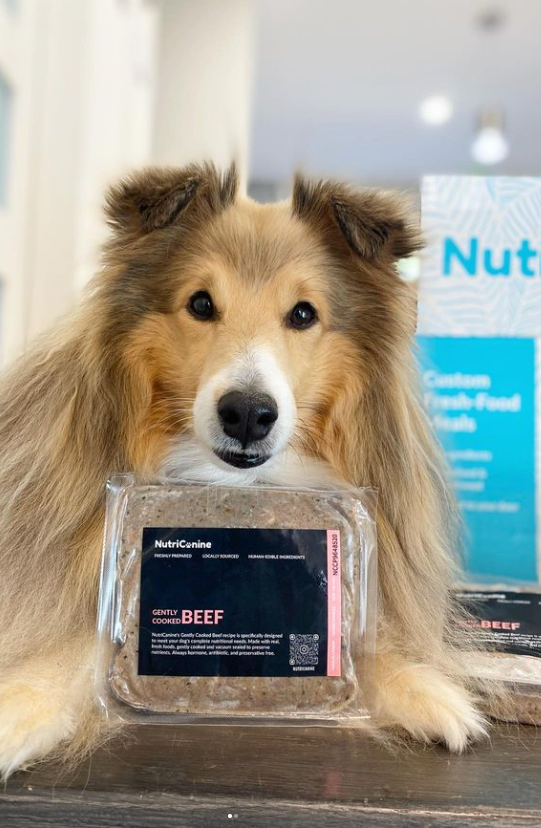
“I have three pups, all picky eaters, and they devoured their meals! I’m so happy to have found a quick, easy and super healthy food.”
 Verified Purchase
Independent Study Finds Heavy Metals In Popular Dog Foods
Independent laboratory testing has found measurable levels of heavy metals such as lead, mercury, arsenic, and cadmium in a range of dry, air-dried, freeze-dried, and fresh commercial dog foods. These findings have sparked renewed debate about ingredient sourcing, cumulative lifetime exposure, and whether current regulatory guidelines are sufficiently protective for dogs that eat the same food every day for years.
While no official regulatory breaches or legal violations have been announced, the data raise important questions for veterinarians, nutrition professionals, and pet owners alike.

What Are Considered Heavy Metals and Why Are They Dangerous?
Heavy metals are naturally occurring elements that have a high atomic weight and density. In the context of food safety and toxicology, the term most often refers to metals such as lead, mercury, arsenic, and cadmium. These elements are found in soil, water, and air due to both natural geological processes and industrial activity, which means low levels are commonly detected throughout the food chain.
Not all metals are harmful. In fact, some metals such as zinc, iron, copper, and selenium are essential nutrients for dogs and must be included in balanced diets. The concern arises with non essential or toxic heavy metals that have no biological role in the body and can interfere with normal cellular function.
Why Heavy Metals Are Concerning
Heavy metals are considered dangerous primarily because of three characteristics:
-
Bioaccumulation
Unlike many compounds that are metabolized and excreted efficiently, certain heavy metals accumulate in tissues over time. Lead and cadmium, for example, can build up in bone, liver, and kidney. Mercury can accumulate in nervous tissue. Repeated low level exposure may gradually increase total body burden. -
Persistence
These elements do not degrade or break down. Once introduced into the environment, they remain indefinitely. This persistence means that contamination in soil or water can affect crops, livestock, and seafood for years. -
Cellular Toxicity
Heavy metals can disrupt normal biological processes by binding to proteins, interfering with enzyme activity, generating oxidative stress, and damaging DNA. At high enough levels, this can lead to organ dysfunction.
Potential Health Effects in Dogs
The severity of toxicity depends on the specific metal, dose, duration of exposure, and the individual animal’s health status.
-
Lead exposure may affect neurological function, gastrointestinal health, and red blood cell production.
-
Mercury is associated primarily with neurological effects at elevated levels.
-
Cadmium tends to accumulate in the kidneys and may impair renal function over time.
-
Arsenic exists in both organic and inorganic forms, with inorganic arsenic being more toxic and linked to cellular damage and increased cancer risk in multiple species.
It is important to distinguish between acute poisoning and chronic low level exposure. Acute toxicity occurs at high doses and typically presents with clear clinical signs. Chronic exposure involves smaller amounts consumed consistently over long periods, which raises more complex questions about cumulative health effects.
Dose Matters
The presence of a heavy metal does not automatically mean a food is unsafe. Toxicology is dose dependent. Regulatory agencies establish maximum tolerable levels based on available research, but debate continues about whether existing guidelines adequately account for lifetime dietary exposure in animals that eat the same food daily.
Understanding what heavy metals are and how they behave in the body provides important context for interpreting laboratory findings and evaluating risk responsibly.

Why Are Heavy Metals Showing Up in Dog Food?
Heavy metals occur naturally in the environment. Lead, mercury, arsenic, and cadmium can enter soil and water through both natural geological processes and industrial pollution. From there, they are absorbed by plants and animals, eventually making their way into the food chain.
In dog food, common sources include:
1. Seafood Ingredients
Fish can bioaccumulate mercury and other heavy metals, especially larger predatory species. Even when levels are within legal limits, chronic intake may contribute to cumulative exposure over time.
2. Plant-Based Carbohydrates
Certain grains and root vegetables, particularly rice, are known to accumulate arsenic from soil and irrigation water.
3. Organ Meats and By-Products
Liver, kidney, and other organs can concentrate heavy metals because these tissues play a role in detoxification and mineral storage.
4. Vitamin and Mineral Premixes
Trace minerals are required to meet nutritional adequacy standards, but depending on sourcing and purification processes, they may contain background levels of heavy metals.
None of these ingredients are inherently unsafe. The concern lies in cumulative exposure, especially for dogs consuming the same formulation daily for many years.
Study Shows Most Dog Food Contains High Levels of Heavy Metals
The non-profit "Clean Label Project" says dog food has up to 13 times more heavy metals than human food.
Summary of the Clean Label Project Dog Food Study
A recent white paper from the Clean Label Project analyzed 79 top-selling dog food products across three categories:
-
50 dry dog foods
-
11 air-dried and freeze-dried products
-
18 fresh or frozen products
Testing was conducted in partnership with Ellipse Analytics, an ISO 17025 accredited analytical laboratory. The study generated 11,376 individual contaminant data points.
Contaminants Tested
The analysis included:
-
- Heavy metals, arsenic, cadmium, mercury, and lead
-
Acrylamide
-
Phthalates such as DEHP
-
Bisphenols including BPA and BPS
-
Glyphosate
-
Pesticides
Heavy metals were analyzed using ICP-MS, phthalates using GC-MS/MS, and bisphenols, glyphosate, and pesticides using LC-MS/MS.

Key Findings on Heavy Metals
Dry Dog Food
Dry food showed the highest average levels of heavy metals among the categories tested.
Average concentrations in dry food samples:
-
Arsenic, 184.6 ppb
-
Cadmium, 68.5 ppb
-
Mercury, 3.8 ppb
-
Lead, 180.1 ppb
When compared to the organization’s historical dataset of 3,280 human food and supplement products:
-
Arsenic was 5.7 times higher
-
Cadmium was 3.2 times higher
-
Mercury was 2.7 times higher
-
Lead was 12.7 times higher
Even after adjusting for recommended serving sizes, dry dog food remained substantially higher in heavy metals compared to fresh or frozen products.
Air-Dried and Freeze-Dried Food
These products ranked second in contaminant levels. While generally lower than dry kibble, they were still higher than fresh or frozen options in most heavy metal categories.
Fresh and Frozen Food
Fresh and frozen products showed the lowest average heavy metal concentrations.
-
Arsenic, 13.9 ppb
-
Cadmium, 11.3 ppb
-
Mercury, 0.2 ppb
-
Lead, 8.5 ppb
On average, these products were lower than both dry food and the benchmark human consumables dataset used in the comparison.

Are These Levels Illegal?
One of the most important nuances in this discussion is that no regulatory violations were reported.
In the United States, pet food is primarily regulated under frameworks influenced by the U.S. Food and Drug Administration and nutritional guidelines from the Association of American Feed Control Officials.
However, there are limited comprehensive federal standards specifically addressing chronic dietary exposure to environmental contaminants in dog food. Most regulatory attention focuses on acute toxicity, microbial safety, and known adulterants rather than cumulative heavy metal intake over a lifetime.
This regulatory gap is central to the current debate.
What Are the Potential Health Risks?
Heavy metals are bioaccumulative, meaning they can build up in tissues over time. In dogs, accumulation often occurs in the liver and kidneys.
Research in veterinary and comparative oncology has explored associations between environmental heavy metal exposure and increased cancer risk. Dogs are frequently used as models in translational cancer research due to similarities in tumor biology and environmental exposure patterns.
That said, it is important to distinguish between association and causation. The Clean Label Project report raises concerns about cumulative exposure but does not establish that the measured levels directly cause disease in dogs consuming commercial diets.
Does Serving Size Matter?
The study also evaluated heavy metal exposure based on recommended feeding amounts. Because dogs consume relatively large daily servings compared to human portion sizes, serving size adjustments did not meaningfully reduce the relative differences between dry and fresh products.
Dry food remained substantially higher in heavy metals even when intake was calculated per serving.

Interpreting the Findings Responsibly
For professionals and pet owners, context matters:
-
Heavy metals are present in nearly all foods due to environmental exposure.
-
Detection does not automatically equal danger.
-
Risk depends on dose, duration, and the individual animal’s health status.
-
No recalls or legal actions were announced based on this dataset.
The findings highlight variability between processing formats and ingredient sourcing practices rather than proving universal harm.
Practical Takeaways for Pet Owners
If you are concerned about heavy metals in dog food, consider the following:
-
Rotate protein sources and product formats where appropriate.
-
Review company transparency regarding sourcing and contaminant testing.
-
Avoid assuming that more exotic or novel ingredients are inherently safer.
-
Consult a qualified companion animal nutrition professional before making major dietary changes.
Fresh and gently cooked diets showed lower average contaminant levels in this specific dataset, but they are not automatically superior for every dog. Nutritional adequacy, digestibility, safety controls, and individual health needs all matter.
The Bigger Picture, Cumulative Exposure and Transparency
The broader issue raised by this report is not panic, but transparency. Dogs often eat the same diet for years. Even low-level exposure, if consistent, may contribute to cumulative body burden.
The conversation now centers on whether regulatory standards for pet food contaminants should more closely reflect lifetime exposure models rather than acute toxicity thresholds.
As testing technology becomes more sensitive and independent analyses more common, greater transparency is likely to become the norm.
For now, the data suggest meaningful differences between product categories, continued presence of background environmental contaminants, and an evolving discussion about long-term safety standards in commercial dog food.
The key is informed decision-making grounded in science, not fear.

How Nutricanine Prioritizes Ingredient Quality and Contaminant Testing
At Nutricanine, ingredient sourcing and food safety are treated as foundational, not optional. The company prioritizes clean, responsibly sourced ingredients selected from trusted suppliers with established quality assurance programs. This includes careful vetting of raw material origins, supplier documentation, and traceability protocols to help reduce the risk of environmental contaminants entering the food supply.
Because heavy metals such as lead, mercury, arsenic, and cadmium originate from soil and water, controlling ingredient sourcing is one of the most effective ways to minimize background exposure. Nutricanine focuses on high quality proteins and produce from reliable supply chains, with an emphasis on consistency, transparency, and manufacturing oversight.
Beyond sourcing, all fresh food formulations undergo routine contaminant screening. Products are tested for heavy metals and other potential environmental contaminants as part of the company’s safety and quality control program. This testing provides an additional layer of verification beyond formulation standards, ensuring that finished products meet internal safety benchmarks.
Importantly, Nutricanine supports transparency with pet owners. Contaminant and heavy metal testing results can be shared upon request, allowing customers to review validation data directly. This open access approach helps build trust and reinforces the company’s commitment to providing clean, carefully tested fresh food for dogs.