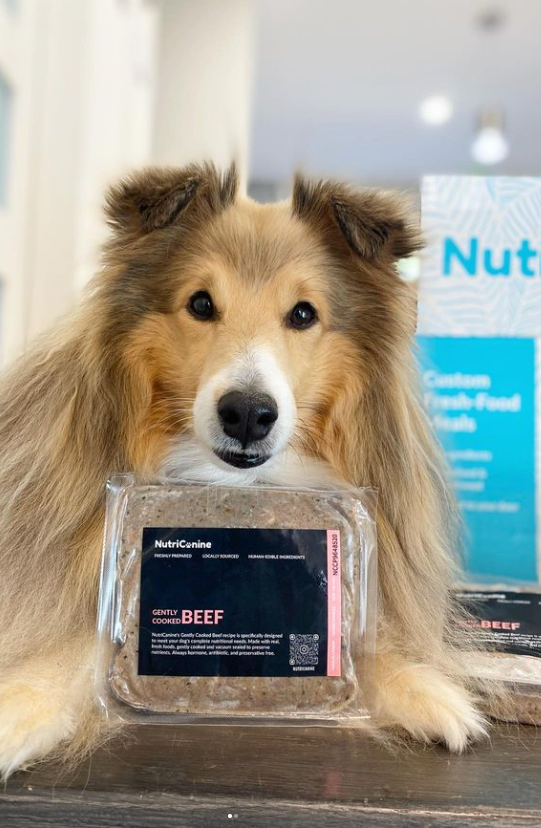
“I have three pups, all picky eaters, and they devoured their meals! I’m so happy to have found a quick, easy and super healthy food.”
 Verified Purchase
Can Humans Eat Dog Food?
Many people have wondered whether humans can safely eat dog food. With pets being such an integral part of our daily lives, it’s natural to be curious about what they eat and even wonder what it would taste like. Dogs and humans share a love of food, but their nutritional needs are very different. While dog food is carefully formulated to meet the unique dietary requirements of canines, there are important health and safety considerations for humans who might be tempted to try it. Understanding these differences can help pet owners make informed decisions for both themselves and their furry companions.

Why Humans Should Be Cautious
Dog food is formulated specifically to meet the dietary needs of dogs, not humans. While dogs and humans share some basic nutritional requirements, there are key differences in how these nutrients are used and the amounts needed. For example, dogs require higher levels of protein and certain vitamins, such as vitamin D and taurine, in precise amounts to support their metabolism, heart health, and muscle function. Humans, on the other hand, need a diet that balances protein with sufficient fiber, carbohydrates, and a different mix of vitamins and minerals to maintain long-term health.
Consuming traditional dog food occasionally is unlikely to cause serious harm, especially in small amounts. However, relying on it as a regular food source is not recommended. Ingredients that are safe and nutritious for dogs may not provide adequate nutrition for humans and, over time, could contribute to nutrient deficiencies or digestive issues.
Health Risks
-
High Protein and Fat: Many dog foods are designed to provide a calorie-dense, protein-rich diet for active dogs. While this is ideal for canines, humans consuming these levels of protein and fat regularly may experience digestive upset, increased cholesterol, or other health complications.
-
Additives and Preservatives: Some dog foods include preservatives, stabilizers, or other additives to extend shelf life. While these ingredients are approved for dogs, they may not sit well in the human digestive system and could cause mild stomach upset, bloating, or nausea.
-
Lack of Fiber and Essential Nutrients for Humans: Dog food is optimized for canine nutrient needs, which means it may not contain enough fiber, vitamin C, iron, or other nutrients humans require for long-term health. Consuming dog food in place of human meals could lead to deficiencies, fatigue, or digestive issues.
-
Potential Contaminants: While commercial dog food is regulated for safety, there is a small risk of bacterial contamination such as Salmonella or Listeria. Humans are generally more sensitive to these pathogens than dogs, so even food-safe-for-dogs products could pose a risk if eaten regularly or uncooked.
In short, dog food is engineered for canine nutrition, not human health. While it may be safe to sample occasionally, it should never replace a balanced human diet. Understanding the differences in nutrient composition and ingredient standards is crucial for anyone curious about trying dog food.
What to Do If Your Child Eats Dog Food
If your child has accidentally eaten dog food, there’s usually no cause for panic. Most commercial dog foods are not toxic to humans, and a small taste or bite is unlikely to cause serious harm. Watch for any signs of stomach upset, such as nausea, vomiting, or diarrhea, and encourage your child to drink water. If they consumed a large amount, show any packaging to a healthcare professional or contact Poison Control for guidance. While most dog food is safe for dogs, it’s best to prevent further consumption.

Human-Grade Dog Food
Human-grade dog food is made entirely from ingredients that are fit for human consumption. This means every component, from the meat to the vegetables, is held to the same safety, quality, and handling standards as food you would buy at a grocery store.
In contrast, standard dog food often uses feed-grade ingredients, which are approved for animal consumption but not necessarily for humans. Feed-grade ingredients can include by-products, lower-quality cuts of meat, or other components that meet safety standards for animals but may be less regulated in terms of hygiene, handling, and processing. These ingredients are nutritionally sufficient for dogs but would not be considered suitable for human meals.
Human-grade dog food goes beyond simply avoiding feed-grade components. It is prepared under strict food safety protocols similar to those in commercial kitchens, with attention to cleanliness, proper cooking temperatures, and traceable ingredient sourcing. Every ingredient is high-quality, minimally processed, and safe for humans to touch (or even taste), though the recipes are still designed to meet a dog’s unique nutritional requirements.
This level of quality provides pet owners with confidence and transparency about what their dogs are eating. Human-grade dog food is ideal for those who want peace of mind that every bite of their pet’s meal is safe, nutritious, and crafted with the same care as human food.

NutriCanine: Fresh, Human-Grade Meals for Dogs
NutriCanine offers a range of freshly prepared dog meals made entirely from human-grade ingredients. Each recipe is carefully crafted to provide dogs with complete nutrition while using the same high-quality ingredients you would find in your own kitchen. This ensures every meal is wholesome, safe, and packed with flavor that dogs love.
Some highlights of NutriCanine’s approach include:
-
No fillers or artificial additives: Every ingredient has a purpose for your dog’s health, providing optimal nutrition without unnecessary extras.
-
Digestible carbohydrates and quality proteins: Ingredients like sweet potatoes, squash, and ethically sourced meats supply energy and support overall wellbeing.
Freshly cooked meals delivered to your door: Each meal combines convenience with nutrition, making it easy for pet owners to serve healthy, high-quality food.
To ensure the quality and appeal of each recipe, members of the NutriCanine team have taste-tested every meal themselves. Their feedback consistently highlights that the food is bland for humans, due to the absence of added seasonings, but perfectly flavorful and delicious for dogs!
While NutriCanine meals are designed for dogs, the human-grade quality ensures transparency, trust, and peace of mind for pet owners. You can see, touch, and even taste the ingredients safely, knowing they are crafted with the same care and attention to quality as food meant for humans.
All our meals are freshly prepared with real human-edible, locally sourced ingredients.
Can Humans Try Human-Grade Dog Food?
Even with human-grade dog food, it’s important to remember that these products are specifically formulated to meet the nutritional needs of dogs, not humans. Dogs require higher levels of certain nutrients, such as protein, taurine, and specific vitamins, which differ from human dietary requirements. While the ingredients are safe and of high quality, the balance of nutrients is not intended to support a human diet.
Tasting a small portion of human-grade dog food is generally safe, especially if it’s fresh and made from high-quality ingredients. Some pet owners may be curious about flavors or want to ensure the food meets their standards before serving it to their dogs. In these cases, sampling can provide peace of mind about the quality and freshness of the ingredients.
However, human-grade dog food should never be considered a substitute for your own meals. Its nutrient profile is designed for canines, meaning it may lack sufficient fiber, essential vitamins like vitamin C, or minerals in the amounts humans need. Regular consumption could lead to nutrient imbalances over time.
Think of human-grade dog food as more of a culinary curiosity than a dietary option. It provides transparency, quality, and reassurance for pet owners, but your own balanced diet is irreplaceable. For your dog, though, this type of food offers the perfect combination of safety, nutrition, and flavor, ensuring their meals are both delicious and healthy.

Final Thoughts
Humans can technically eat some types of dog food, particularly human-grade options, but it is not recommended as a dietary choice. Standard dog food is designed for canine nutritional needs and may lack key nutrients or include elements that aren’t ideal for humans.
For dog owners who want high-quality, safe, and transparent nutrition for their pets, brands like NutriCanine provide fresh, human-grade meals made to support your dog’s health, happiness, and longevity.