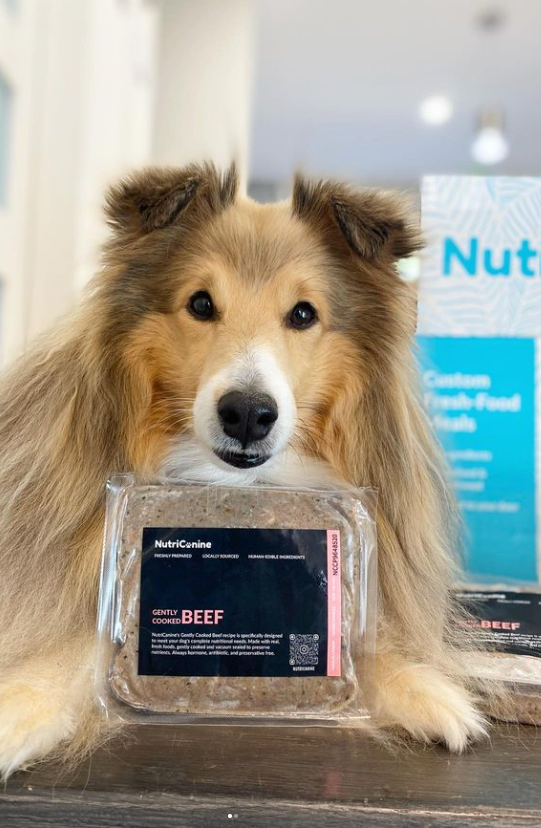
“I have three pups, all picky eaters, and they devoured their meals! I’m so happy to have found a quick, easy and super healthy food.”
 Verified Purchase
Can Dogs Eat Butternut Squash?
Butternut squash isn’t just a favorite for fall soups and roasted sides, it’s also a healthy, nutrient-packed vegetable that can benefit your dog’s diet. Many pet owners wonder if it’s safe to share this sweet, creamy squash with their furry friends, and the answer is yes, when prepared correctly. Packed with vitamins, minerals, fiber, and antioxidants, butternut squash can support digestion, immune health, and overall vitality in dogs. In this guide, we’ll explore everything you need to know about feeding butternut squash to your dog, including its nutritive value, health benefits, safe preparation methods, appropriate portion sizes, and how NutriCanine’s Fresh Food incorporates this wholesome vegetable into balanced, fresh cooked meals.

What Is Butternut Squash?
Butternut squash is a type of winter squash that has a sweet, creamy, nutty flavor. It grows on a vine and has a long neck and bulbous bottom with deep orange flesh and a hard rind. Butternut squash is a nutrient rich vegetable that is often roasted, pureed, or used in soups, stews, and side dishes for people. Because of its natural sweetness, smooth texture, and dense nutrient profile, butternut squash is increasingly used in fresh and fresh cooked food for dogs.
Can Dogs Eat Butternut Squash?
Yes, dogs can eat butternut squash. In fact, it is safe and healthy when served properly, in moderation, and prepared in a way that dogs can digest. Many veterinarians and canine nutrition experts agree that plain cooked butternut squash can be a beneficial addition to a dog’s diet.
As long as you follow basic safety precautions such as removing the seeds and rind, cooking the squash until soft, and avoiding seasonings like salt or garlic that can be harmful to dogs, butternut squash makes a great treat or supplement to your dog’s regular meals.

Nutritive Value of Butternut Squash
Understanding the nutritive value of butternut squash helps explain why it is a good choice for dogs when prepared correctly. Butternut squash contains a wide range of essential nutrients that support overall health.
Vitamins
Butternut squash is rich in vitamins that are important for dogs just like they are for people. Key vitamins include vitamin A in the form of beta carotene, vitamin C, and B vitamins such as folate, niacin, and thiamine. Vitamin A is essential for healthy skin, a strong immune system, and good vision. Vitamin C is an antioxidant that supports immune response. B vitamins help with energy metabolism and nervous system function.
Minerals
This vibrant orange vegetable also contains minerals including potassium, magnesium, and manganese. Potassium helps with nerve and muscle function and supports healthy blood pressure. Magnesium plays a role in metabolic processes and energy production. Manganese is involved in bone health and metabolism.
Fiber
Butternut squash is a good source of dietary fiber which helps support healthy digestion in dogs. Fiber can aid in regulating bowel movements, provide a sense of fullness, and support the growth of beneficial gut bacteria. When included in a balanced dog diet, fiber from butternut squash can contribute to digestive health and stool quality.
Antioxidants
The deep orange color of butternut squash indicates high levels of antioxidants. Beta carotene, lutein, and zeaxanthin are antioxidants found in squash that help neutralize harmful free radicals in the body. These compounds contribute to overall cellular health and may offer protective benefits over time.
Water Content and Carbohydrates
Butternut squash contains a significant amount of water, which may help with hydration when fed in moderation. It also provides complex carbohydrates that offer energy without causing rapid spikes in blood sugar when fed appropriately.
Taken together, these nutrients make butternut squash a nutrient dense food that can contribute to canine health when offered as part of a balanced diet.

Safety of Butternut Squash for Dogs
Even though butternut squash is safe for dogs, there are important safety guidelines to follow. Dogs should only eat plain cooked butternut squash with no added seasonings, oils, butter, salt, garlic, onions, or spices. Many seasonings that humans enjoy are harmful to dogs. Garlic and onions in particular can damage red blood cells and cause anemia in dogs.
The seeds and rind of butternut squash should be removed before feeding to your dog. The seeds can pose a choking hazard or cause digestive upset, and the rind is tough for dogs to chew and digest even when cooked.
Raw Butternut Squash
Feeding raw butternut squash is not recommended. The hard texture and fibrous nature of raw squash can be difficult for dogs to chew and digest. Cooking softens the vegetable and makes it safer and easier for dogs to eat.
Allergies and Digestive Sensitivities
Some dogs may be sensitive to new foods including butternut squash. When introducing any new food, start with a small amount and watch for signs of digestive upset such as vomiting, diarrhea, or changes in appetite. If your dog has known food allergies or sensitivities, consult with your veterinarian or canine nutritionist before adding new foods like squash to their diet.
Portion Control
Too much of any new food can cause digestive upset. Even though butternut squash is healthy, feeding large quantities can lead to loose stools or gas. Always introduce new foods gradually and adjust portions based on your dog’s size, breed, age, activity level, and overall dietary needs.

Health Benefits of Butternut Squash for Dogs
When served properly and in moderation, butternut squash offers several health benefits for dogs. These benefits arise from its nutrient and fiber content and can support overall wellbeing.
Support for Digestive Health
The fiber in butternut squash helps support normal, healthy digestion in dogs. Fiber adds bulk to stools and helps regulate bowel movements. It can be particularly helpful for dogs with mild constipation or irregular stool quality when introduced gradually and balanced with adequate hydration. The plant fiber also supports beneficial gut bacteria that play a role in immune and gastrointestinal health.
Immune System Support
The vitamins and antioxidants in butternut squash such as vitamin A and vitamin C help support a healthy immune system. Antioxidants help reduce oxidative stress in the body and contribute to cellular health. This can be great for dogs with cancer, inflammatory diseases like pancreatitis or immune complications.
Eye Health
Vitamin A, as beta carotene which is abundant in butternut squash, contributes to maintaining good vision and eye health in dogs. While dogs have different visual physiology than humans, vitamin A remains critical to supporting retinal function and maintaining healthy ocular tissues.
Weight Management
Butternut squash is relatively low in calories and high in fiber. When used appropriately, these characteristics can help dogs feel full and satisfied without consuming excessive calories. This makes squash a useful addition for dogs needing weight management support as part of a calorie controlled diet.
Hydration Support
Because butternut squash has a high water content when cooked, feeding it in moderation may help with hydration, especially in hot weather or for active dogs. Proper hydration is essential for digestion, body temperature regulation, joint lubrication, and overall metabolic function.
Nutritional Variety
Adding a variety of nutrient dense vegetables like butternut squash to your dog’s diet provides vitamins, minerals, antioxidants, and phytochemicals that may not be present in commercial dry kibble alone. This diversification helps promote balanced nutrition and long term health.

Do Dogs Like The Taste of Butternut Squash?
Many dogs enjoy the taste and texture of butternut squash, especially when it is cooked until soft and naturally sweet. The mild, slightly nutty flavor tends to appeal to canine palates, and the creamy texture of cooked or pureed squash makes it easy for dogs to eat. Some dogs may be curious at first, sniffing or pawing at the new food, while others take to it immediately, especially when mixed into their regular meals or served as a topper.
It’s worth noting that individual preferences vary. Some dogs may prefer the natural sweetness of squash, while others might be hesitant to try a new vegetable. Introducing it gradually, perhaps mixed with a small amount of their usual food, can help picky dogs adjust and develop a taste for it.
How to Prepare Butternut Squash for Dogs
Proper preparation of butternut squash is essential to ensure it is safe and digestible for your dog. Here are step by step instructions for preparing squash at home for your dog.
Selecting Good Squash
Choose fresh butternut squash that is firm, heavy for its size, and free of soft spots or mold. Smaller squash tends to be sweeter and easier to cook evenly.
Cleaning the Squash
Rinse the whole squash under cool water to remove dirt and debris. Use a vegetable brush if needed.
Removing Seeds and Rind
Cut the squash lengthwise with a sharp knife. Scoop out all the seeds and stringy pulp from the bulbous center. Set the seeds aside for compost or discard them. Carefully peel off the tough outer rind with a vegetable peeler or sharp knife. Do not feed the rind to your dog.
Cutting into Pieces
Cut the peeled squash into evenly sized cubes or slices. Smaller pieces cook faster and more evenly.
Cooking Methods
There are several safe ways to cook butternut squash for dogs:
Boiling
Fill a pot with water and bring to a boil. Add the squash cubes and cook until fork tender, about 10 to 15 minutes. Drain and cool before serving.
Steaming
Place the squash pieces in a steamer basket over simmering water. Steam until soft, about 10 to 12 minutes. Allow to cool.
Baking or RoastingPreheat the oven to a moderate temperature around 350 degrees Fahrenheit or 180 Celsius. Spread squash pieces on a baking sheet without oil. Roast until tender, about 20 to 30 minutes depending on size. Let cool completely before feeding.
Pureeing
For dogs with dental issues or sensitive digestion, pureeing cooked butternut squash can make it easier to eat. After cooking and cooling, place pieces in a blender or food processor with a small splash of water until smooth.
No Seasonings
Do not add salt, butter, oil, garlic, onions, herbs, spices, or other seasonings. These can be unhealthy or toxic to dogs. Plain cooked squash is best.
How to Make Squash For Your Pup
This is how to make squash for my pups, pretty simple and easy!
How Much Butternut Squash Dogs Can Have?
Butternut squash is a supplemental food not a complete diet on its own. The amount your dog can have depends on their size, daily caloric needs, activity level, and overall diet composition.
Small Dogs
For toy and small breed dogs, a teaspoon to one tablespoon of cooked butternut squash per day is a reasonable starting point. You can increase gradually if well tolerated.
Medium Dogs
Medium sized dogs may handle one to three tablespoons per day mixed into their regular meal.
Large Dogs
Large breed dogs may be able to have three to five tablespoons per day. Some very large dogs can handle up to 1/4 to 1/2 cup when used as a topper or supplement.
Puppies
Puppies should be introduced to new foods like butternut squash slowly and in smaller proportions because their digestive systems are more sensitive. Talk to your veterinarian or canine nutritionist to determine appropriate amounts for growing dogs.
General Guidelines
Add squash slowly over several days to ensure your dog tolerates it well. Too much at once can cause digestive upset with loose stools or gas. Use squash as a treat or meal topper rather than replacing balanced dog food unless your veterinarian advises otherwise. Always consider the caloric contribution of butternut squash when managing your dog’s overall calorie intake.

Butternut Squash in NutriCanine’s Fresh Food
NutriCanine’s Fresh Food includes butternut squash in many of its balanced recipes for dogs. Our fresh cooked meals are designed to provide complete, species appropriate nutrition using whole food ingredients including lean proteins, digestible carbohydrates, seasonal vegetables like butternut squash, and fortified nutrients. Butternut squash in our meals contributes natural fiber, vitamins, and antioxidants that support digestion, immune function, eye health, and overall vitality.
Because NutriCanine’s Fresh Food is formulated by expert canine nutrition professionals, including careful consideration of ingredient balance and nutrient density, you can feel confident that butternut squash is included in proportions that fit into a complete diet. The squash is cooked gently without additives and integrated with other ingredients to enhance digestibility and palatability.

Tips for Serving Butternut Squash to Your Dog
Wash your hands and food surfaces before and after handling raw squash. Always cook the squash until soft to improve digestibility. Introduce squash gradually and monitor your dog for any signs of intolerance. Mix squash into meals or use it as a healthy treat alternative. Provide clean, fresh water with meals that include fiber rich foods like squash.
Final Thoughts
Butternut squash is a safe and nutritious food that many dogs enjoy when it is prepared and served properly. It contains vitamins, minerals, fiber, and antioxidants that support digestive health, immune function, eye health, hydration, and weight management. When introducing any new food, including butternut squash, do so gradually and in moderation.
NutriCanine’s Fresh Food incorporates butternut squash in balanced recipes developed by canine nutrition experts, so your dog receives the benefit of this nutrient rich vegetable as part of a complete and wholesome diet. Whether you are supplementing your dog’s meals with cooked butternut squash at home or choosing a fresh food that includes it, this vegetable can be a healthy addition to your dog’s nutrition plan.