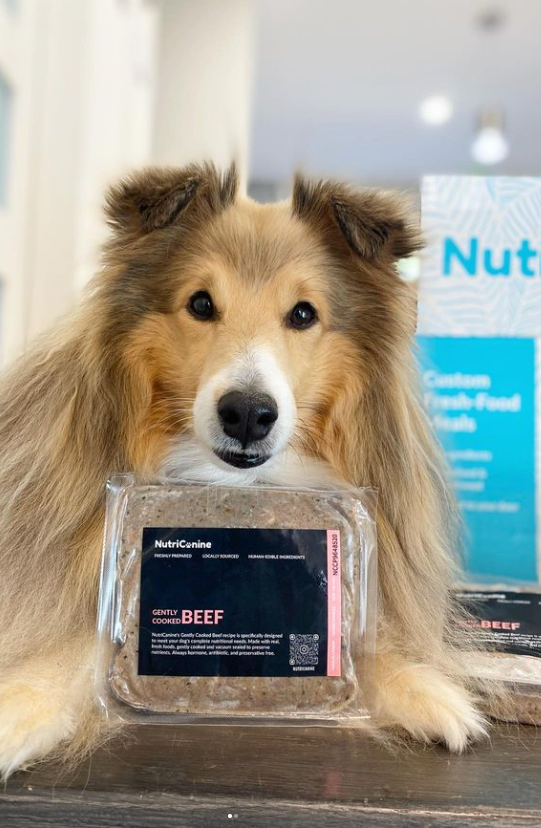
“I have three pups, all picky eaters, and they devoured their meals! I’m so happy to have found a quick, easy and super healthy food.”
 Verified Purchase
How to Get Your Picky Dog to Lick Their Bowl Clean
If you’ve ever stared at your dog in disbelief as they sniff, nudge, or walk away from a perfectly good bowl of food, you’re not alone. Picky eating is one of the most common nutrition complaints among dog owners. It can be confusing, frustrating, and at times even worrying—especially when you just want to make sure your dog is getting the proper nutrition they need to stay healthy.
The good news? Most picky eating habits can be solved with the right combination of structure, routine, and high-quality food. And when you understand what’s driving your dog’s fussiness, you can finally break the cycle of skipped meals and wasted kibble.
This comprehensive guide covers why dogs become picky eaters, steps you can take to help them, when to involve your vet, and why fresh food options like NutriCanine can be a game-changer for even the fussiest pups.

Why Dogs Become Picky Eaters
Dogs aren’t born picky—picky eating is usually the result of learned behaviour, environmental influences, or underlying health concerns. Understanding the root cause is the first step to solving the problem.
1. Too Many Treats & Table Scraps
If your dog has learned that ignoring their food eventually leads to something tastier—like cheese cubes, chicken scraps, or extra treats—they may begin holding out for the “good stuff.” Dogs are smart, and creating “food preferences” often happens unintentionally.
2. Mealtime Routine Issues
Free-feeding (leaving food out all day), inconsistent schedules, and constantly switching foods can lead to picky eating. Dogs thrive on predictability; when mealtimes become confusing, appetite often decreases.
3. Low-Quality or Unappealing Food
Let’s be honest: not all dog food is appetizing. Some kibble formulas rely heavily on fillers, flavour sprays, or low-quality proteins that simply don’t smell or taste appealing to a dog’s senses.
Dogs rely primarily on smell—not sight or taste—to determine whether a food is edible. If a food doesn’t smell fresh or rich in nutrients, your dog might not want it.
4. Stress or Environmental Distractions
New environments, visitors, loud noises, travel, and household changes can all reduce appetite. Even mealtime anxiety—like guarding concerns or competition from other pets—can cause a dog to eat less.
5. Medical Causes
While most picky eating is behavioural, certain medical issues can make dogs lose interest in food. These include:
-
Dental pain
-
Nausea or GI upset
-
Pancreatitis
-
Food intolerances
-
Parasites
-
Hormonal imbalances
-
Kidney or liver disorders
If your dog’s picky eating appeared suddenly, is accompanied by weight loss, vomiting, diarrhea, or lethargy, a veterinary visit is essential.
6. Natural Preferences
Just like humans, dogs have their own taste and texture preferences. Some prefer softer foods, warm foods, or fresh foods with a rich aroma. Others enjoy crunchy kibble or mixed textures. Understanding these preferences can help you choose a diet your dog genuinely enjoys.

What to Do If Your Dog Is a Picky Eater: Step-by-Step Solutions
Below are proven, healthy ways to encourage better eating habits in even the fussiest canine companions.
1. Establish Consistent Mealtime Routines
Routine is everything for dogs. To strengthen appetite:
-
Feed at the same times every day
-
Offer food for 10–15 minutes only
-
Pick up the bowl if they don’t eat
-
Do not offer alternative foods or treats afterward
This trains your dog to eat when food is offered, not when they feel like it.
Avoid free-feeding. Dogs who have constant access to food often become desensitized to hunger cues and eat out of boredom rather than appetite.
2. Limit Treats (A Lot!)
Most picky eaters are over-treated. Treats can dull their appetite and make regular food seem boring. Additionally, treats provide little nutritional value. If you’re going to be adding treats to your diets, looking for something with extra superfoods, antioxidants, or omega 3s.
Aim to keep treats at:
-
Less than 10% of daily calories
Or temporarily cut them out completely during retraining
If your dog refuses food but happily accepts a treat, you’ve found your culprit.
3. Avoid Constant Food Switching
When your dog refuses to eat, it’s incredibly tempting to grab a new brand, a new protein, or a new bag of kibble in hopes that this will finally be the one they like. But while the intention is good, constant switching almost always makes picky eating worse—not better.
Dogs are creatures of habit. When they realize that turning their nose up at a meal results in you offering something different (and usually tastier), they start to associate refusal with reward. In other words, your dog learns that not eating = a better option will appear. Very quickly, this becomes a reinforced behaviour. Your dog isn’t truly disinterested in the current food—they’re holding out for something higher-value.
Frequent diet changes also disrupt your dog’s digestive system. Switching foods too quickly can cause diarrhea, gas, and stomach discomfort. When your dog feels unwell after eating, they can become even pickier out of fear that food equals tummy trouble.
The solution is consistency. Choose one high-quality food and stick with it for at least 1–2 weeks, even if your dog isn’t thrilled at first. Offer meals at scheduled times, remove the bowl after 10–15 minutes, and avoid adding or changing toppers every day. This routine helps break the habit of "waiting for something better" and teaches your dog to eat what’s provided.
It may take a bit of patience, but giving your dog time to adjust is crucial. Most picky eaters won’t show true progress unless they’re given a stable, predictable food routine.
4. Warm the Food or Add Warm Water
Warming food enhances aroma, activating your dog’s natural interest in eating. Try:
-
Warm (not hot) water
-
A few seconds in the microwave
-
Warm low-sodium broth
This softens the food, boosts smell, and makes meals more enticing.
5. Use Food Toppers (But Strategically)
Healthy toppers can encourage eating without teaching your dog to reject plain food. Good options include:
-
A spoon of plain pumpkin
-
Sardines in water
-
A sprinkle of freeze-dried meat
-
A splash of warm bone broth
-
A small amount of cooked egg
Avoid overly rich options like cheese, gravy, or bacon fat—they often cause pancreatitis or further picky behaviour.
Keep toppers to 5–10% of the meal.
6. Create a Calm Mealtime Environment
Remove distractions and avoid hovering over your dog. Dogs often feel pressure when humans stand nearby waiting for them to eat.
Try:
- Feeding in a quiet room
- Using the same feeding location daily
- Feeding multiple dogs separately if there’s tension
A calm environment supports a stronger appetite.
7. Increase Exercise Before Meals
Just like humans, dogs are more inclined to eat when their bodies are primed for it. Physical activity increases metabolism, stimulates the digestive system, and naturally boosts appetite hormones. When a dog spends most of the day resting—especially indoor, low-energy dogs—it’s common for them to approach mealtime without much enthusiasm simply because their body isn’t signalling hunger. Adding even a short, structured burst of activity before meals can make a noticeable difference. A 10–15 minute walk, a game of fetch, or a quick training session gets their system moving and helps transition them into a “ready to eat” state.
Exercise also helps reduce the stress and boredom that often contribute to picky behaviour. Dogs who feel mentally satisfied and physically engaged are more likely to settle and focus on eating. A pre-meal walk helps shift their mindset from idle or anxious to calm and hungry, creating a more positive association with mealtime. Over time, this simple routine can significantly improve appetite, build consistency, and make meals something your dog looks forward to rather than something they avoid.
8. Rule Out Medical Issues
If picky eating persists longer than 2–3 weeks despite structure and routine changes, it’s time for a veterinary evaluation.
Red flags include:
-
Weight loss
-
Vomiting or diarrhea
-
Lethargy
-
Excessive drooling or lip smacking (nausea)
-
Trouble chewing
-
Sudden behavioural changes
Your vet may recommend bloodwork, fecal testing, imaging, or a therapeutic diet depending on symptoms.
9. Consider Upgrading to a Fresher, More Palatable Diet
Many picky eaters reject kibble because it lacks aroma and moisture. Switching to fresh, gently-cooked food can be transformative. The smell, texture, and taste of real meat and whole ingredients are far more appealing to dogs—especially those with food sensitivities, small appetites, or heightened preferences.
This is where NutriCanine truly shines.
Tucker said it has been a while since he did his own taste test and demanded another food adventure. This time he takes on a few crowd favorites, as well as a delicious steak!
Why NutriCanine Is the Perfect Food for Picky Eaters
If you’ve tried everything and your dog is still turning their nose up at dinner, fresh food may be the solution you’ve been searching for. NutriCanine’s gently cooked recipes are designed to appeal to even the fussiest dogs—while providing complete, balanced nutrition you can trust.
Here’s why thousands of picky eaters thrive on NutriCanine:
1. Fresh, Real Ingredients That Actually Smell and Taste Good
Dogs are driven by smell—and fresh food is significantly more aromatic than kibble.
NutriCanine recipes are made with:
-
Real, human-grade meats
-
Fresh vegetables
-
Easily digestible carbohydrates
-
No fillers, preservatives, artificial flavours, or mystery ingredients
The moment you open a pack, your dog can smell the freshness. That alone often gets picky dogs excited to eat again.
2. Gently Cooked for Maximum Palatability
Fresh-cooked food offers a completely different sensory experience than traditional kibble, which can be a game-changer for picky eaters. Its naturally soft, warm, and meaty texture is much closer to what dogs are instinctively drawn to. Unlike dry kibble, which can have a bland smell and a hard, uniform texture, fresh-cooked meals release a rich aroma the moment you open the package. That scent alone can stimulate a dog’s appetite, especially for dogs who rely heavily on smell to determine whether something is appealing. The gentle cooking process also preserves the natural flavours of the ingredients while ensuring harmful pathogens are eliminated—creating a meal that is both safe and irresistible.
This cooking method doesn’t just improve taste; it also enhances digestibility. Fresh-cooked ingredients like tender meats, soft vegetables, and easily digestible carbohydrates break down more easily in the stomach, which can reduce the risk of GI upset for sensitive dogs. When food is gentle on the digestive system, picky eaters often feel more comfortable after meals, making them more willing to eat consistently. Many dog parents report that once they transition to a high-quality fresh-cooked diet, their dogs begin finishing entire meals—sometimes within just a few days—because the food finally matches their natural preferences for texture, moisture, and aroma.
3. Balanced Nutrition Without the Junk
Picky eaters often develop a taste for foods that may seem irresistible to them but can be hard on their digestive system—like rich human meals, leftover scraps, or highly processed treats. While these foods may entice your dog in the short term, they can lead to upset stomachs, diarrhea, or even long-term digestive sensitivities, which only reinforce fussy eating habits.
NutriCanine eliminates this guesswork by offering meals that are carefully formulated by veterinary nutrition experts to be both highly palatable and gentle on the stomach. Every recipe balances high-quality proteins, digestible carbohydrates, and fresh vegetables, ensuring that your dog receives complete, balanced nutrition without the discomfort that can come from less suitable foods. This thoughtful approach helps picky eaters enjoy their meals consistently while supporting overall health and digestive comfort.
Every recipe is:
-
Purposefully balanced for long-term health
-
Free from fillers that dilute flavour
-
Made with quality proteins picky dogs LOVE
4. Custom Meal Plans Tailored to Your Dog
One reason dogs become picky is that their food doesn’t meet their personal preferences. NutriCanine offers customization based on:
-
Breed
-
Activity level
-
Weight goals
-
Food sensitivities
-
Taste preferences
Whether your dog loves chicken, beef, pork, turkey, fish or lamb, there’s a recipe designed to appeal to them.
You can even mix proteins to keep things exciting—without disrupting the structure your picky eater needs.
5. Gentle on Sensitive Stomachs
Many so-called “picky” dogs aren’t just being fussy—they’re reacting to foods that are hard for their digestive system to handle. Ingredients that are overly rich, processed, or low in digestibility can cause mild stomach discomfort, gas, or irregular stools, which can make a dog reluctant to eat. NutriCanine addresses this by using simple, clean formulas that are gentle on the gastrointestinal tract. Meals are built around highly digestible proteins, wholesome vegetables, and easily absorbed carbohydrates like squash and potato, which provide energy without causing digestive upset.
One standout example is NutriCanine’s pork recipe, which is particularly well-suited for sensitive or picky eaters. Pork is a lean, highly digestible protein that many dogs find flavorful and easy to eat, even when other proteins may be rejected. Combined with nutrient-rich squash and potato, this recipe delivers a balanced, gentle meal that supports digestion while satisfying your dog’s taste buds. Many owners report that dogs who struggled with eating other foods quickly take to the pork recipe, finishing meals consistently and enjoying mealtime again.
Happier tummies = better eating habits.
6. Convenient Pre-Portioned Packs
Mealtime becomes significantly easier and less stressful when your dog’s food is pre-portioned to meet their specific nutritional needs. Rather than guessing how much to serve or worrying about whether your dog is getting too much or too little, portioned meals provide a clear, consistent structure that helps establish healthy eating habits.
This approach prevents overfeeding, which can lead to weight gain and other health issues, and eliminates confusion for picky eaters who may be overwhelmed by large or inconsistent portions. It also reduces waste, as there are no leftover bits sitting in the bowl going stale or attracting pests. With precise portioning, you can ensure your dog receives the exact balance of nutrients they need for their size, age, and activity level—while making mealtime predictable, stress-free, and enjoyable for both you and your dog.
7. Thousands of Success Stories
Time and again, pet parents share that NutriCanine was the first food their picky dog actually finished. Some dogs go from barely eating a meal a day to dancing at the fridge when they hear the pack open.
Fresh food is inherently more appealing—NutriCanine just makes it nutritional, convenient, and consistent.

How to Transition a Picky Eater to a New Food
Transitioning too quickly can cause upset stomachs, which may worsen picky eating. Follow a slow and steady schedule:
Day 1–3: 25% new food, 75% old food
Day 4–6: 50% new, 50% old
Day 7–9: 75% new, 25% old
Day 10+: 100% new food
For very sensitive or extremely picky dogs, extend the transition to 14 days.
Frequently Asked Questions
What if my dog skips a meal?
Skipping one meal (even two) is usually harmless. Offer food at the next scheduled time and avoid giving treats between meals.
Can picky eating be a sign of a medical problem?
Yes. If your dog shows sudden appetite changes or other symptoms, see your vet promptly.
Are some breeds pickier than others?
Yes. Small breeds—like Yorkies, Maltipoos, Pomeranians, and Cavapoos—tend to be more selective, likely due to smaller stomachs, faster metabolisms, and heightened sensitivities.
Will fresh food spoil quickly?
NutriCanine meals arrive frozen and stay fresh in the fridge for several days once thawed.

Final Thoughts: You Can Help Your Picky Dog Eat Better
Picky eating can test your patience, but with the right combination of structure, routine, and high-quality food, most dogs become enthusiastic eaters again.
-
Start with consistent mealtimes
-
Remove mealtime pressure
-
Strengthen appetite with exercise
-
Avoid treats and table scraps
-
Elevate the quality of the food you offer
And if your dog still seems disinterested in their meals, it may be time to switch to a diet that’s naturally more appealing.
Fresh, gently cooked food like NutriCanine often turns picky eaters into eager eaters—while giving them the balanced nutrition they deserve.