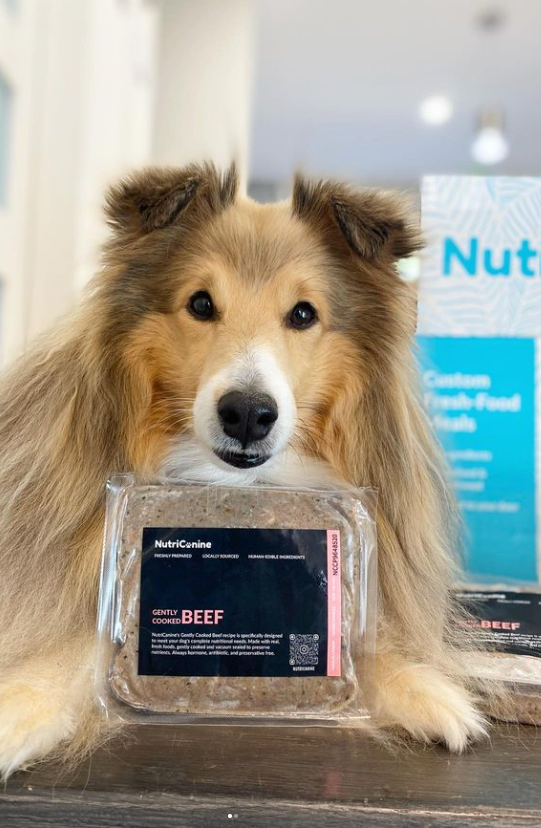
“I have three pups, all picky eaters, and they devoured their meals! I’m so happy to have found a quick, easy and super healthy food.”
 Verified Purchase
Fresh Food for Dogs with Pancreatitis, Why Turkey Is a Smart Choice
Fresh Food for Dogs with Pancreatitis, Why Turkey Is a Smart Choice
Pancreatitis can be one of the most frustrating and painful conditions to manage in dogs. As inflammation of the pancreas, it directly affects your dog’s ability to digest and metabolize nutrients, especially fat. Nutrition plays a central role in both recovery and long term management.
If you are searching for the best food for dogs with pancreatitis, this guide breaks down the ideal nutritional profile, key anti inflammatory ingredients, and what to avoid. We will also highlight why NutriCanine’s turkey recipe is specifically designed to support dogs prone to pancreatitis.

What Is Pancreatitis in Dogs
Pancreatitis is inflammation of the pancreas, a small but critically important organ located near the stomach and small intestine. The pancreas has two primary roles. First, it produces digestive enzymes such as lipase, amylase, and proteases that help break down fats, carbohydrates, and proteins. Second, it produces hormones such as insulin and glucagon that regulate blood sugar.
Under normal conditions, digestive enzymes are released in an inactive form and only become activated once they reach the small intestine. In pancreatitis, these enzymes activate prematurely inside the pancreas itself. This causes the pancreas to begin digesting its own tissue, leading to inflammation, swelling, pain, and cellular damage.
Clinical signs can range from mild to severe and may include vomiting, diarrhea, abdominal pain, hunched posture, lethargy, fever, and decreased appetite. In serious cases, pancreatitis can lead to dehydration, electrolyte imbalances, systemic inflammation, and even organ failure.
There are two main forms of pancreatitis:
Acute pancreatitis develops suddenly and may be triggered by a high fat meal, dietary indiscretion, obesity, certain medications, or underlying metabolic disease. Some dogs recover fully with appropriate treatment and dietary management.
Chronic pancreatitis develops over time, often with subtle or intermittent symptoms. Repeated low grade inflammation can lead to permanent damage, scarring, and reduced pancreatic function. These dogs are especially sensitive to dietary fat and require strict nutritional management long term.
In both acute and chronic cases, nutrition is not just supportive care, it is a primary tool in preventing recurrence and protecting remaining pancreatic tissue.
Pancreatitis in Dogs with Dr. Lera
Dr. Lera talks about pancreatitis in dogs with Brady, a 10-year-old Cavachon.
Why Diet Matters So Much
The pancreas responds directly to what your dog eats, especially dietary fat. Fat is the most potent stimulator of pancreatic enzyme secretion. When a dog consumes a high fat meal, the pancreas must release larger amounts of digestive enzymes, particularly lipase, to break it down.
For a healthy dog, this response is normal. For a dog with pancreatitis, this stimulation can worsen inflammation or trigger a relapse.
Even a single high fat treat can overstimulate the pancreas in susceptible dogs. That is why consistency is critical. The wrong food does not just slow recovery, it can restart the inflammatory cycle.
An appropriate diet minimizes pancreatic workload while still delivering complete and balanced nutrition. The best food for dogs with pancreatitis focuses on:
- Strictly controlled fat levels to reduce enzyme stimulation
- Highly digestible protein to support tissue repair
- Moderate, easily digested carbohydrates for energy
- Anti inflammatory nutrients to help regulate immune response
- No unnecessary additives, irritants, or excessive processing
Proper diet reduces digestive stress, supports healing, and helps prevent future flare ups.
Specific Nutritional Targets for Dogs with Pancreatitis
Every dog should be evaluated individually, especially if other conditions such as diabetes, obesity, or inflammatory bowel disease are present. However, general nutritional targets provide a strong starting point.
Fat
- Target: 7 to 10 percent fat on a dry matter basis
- In severe or recurrent cases: 5 to 8 percent dry matter
- For fresh cooked foods: typically under 4 to 6 percent as fed, depending on moisture content
Lower fat intake reduces pancreatic stimulation and lowers the risk of triggering enzyme overproduction. Fat should still provide essential fatty acids, but in carefully controlled amounts.
Protein
- Target: 18 to 25 percent dry matter
- Should come from highly digestible, lean animal sources
- Extremely high protein is usually unnecessary unless there are additional medical needs
Protein supports immune function, tissue repair, and muscle maintenance. Poor quality or excessive protein can increase digestive burden, so digestibility is more important than simply feeding high amounts.
Fiber
- Moderate levels of soluble fiber can help regulate gastric emptying and improve stool consistency
- Excess fiber should be avoided because it can dilute nutrients and increase stool bulk
Soluble fibers such as those found in pumpkin or squash may support gut health without overwhelming digestion.
Moisture
- Diets with higher moisture content are often easier to digest
- Fresh, gently cooked food may be better tolerated than highly processed dry kibble
Higher moisture supports hydration, which is especially important for dogs recovering from vomiting or diarrhea.

Best Ingredients for Dogs with Pancreatitis
Lean Animal Proteins
The foundation of a pancreatitis friendly diet is lean, highly digestible protein. Ideal options include:
- Skinless turkey
- Skinless chicken breast
- White fish such as cod
- Lean rabbit
Turkey is often an excellent choice because it delivers complete amino acids while naturally containing less fat than many red meats. Removing skin and visible fat further reduces lipid load. Lean protein helps maintain muscle mass and supports recovery without overstimulating the pancreas.
Easily Digestible Carbohydrates
Carbohydrates provide a valuable source of energy that does not stimulate pancreatic enzyme secretion to the same degree as fat. When carefully selected, they are gentle and functional.
These ingredients are easy to digest and provide soluble fiber that can support stool quality. They also help maintain stable energy levels during recovery.
Omega 3 Fatty Acids
Although overall fat must remain low, specific fatty acids can provide anti inflammatory benefits. Omega 3 fatty acids, particularly EPA and DHA from fish oil, help regulate inflammatory pathways and may reduce cytokine driven tissue damage.
- EPA and DHA are the most biologically active forms
- Inclusion must be carefully calculated to maintain low total fat
When properly balanced, omega 3 fatty acids can support systemic inflammation control without overwhelming the pancreas.
Antioxidant Rich Vegetables
Inflammation increases oxidative stress, which can further damage cells. Antioxidants help neutralize free radicals and protect tissue integrity.
- Blueberries
- Spinach
- Kale
- Carrots
These vegetables provide polyphenols, carotenoids such as beta carotene, and vitamin precursors that support cellular defense systems.
Digestive Support Nutrients
Supporting the gut microbiome is especially important after episodes of vomiting or diarrhea.
- Probiotics may help restore beneficial bacterial balance
- Prebiotic fibers such as inulin can nourish healthy gut microbes
- B vitamins support energy metabolism and cellular repair
Together, these nutrients promote a more stable digestive environment and assist in recovery.
Ingredients to Avoid For Dogs With Pancreatitis
Avoiding dietary triggers is just as important as including beneficial ingredients.
- High fat meats such as lamb, beef trim, duck, and pork
- Fatty meats or meats with skin attached
- Added oils in excess
- Rendered animal fats
- Fried foods and table scraps
- Highly processed treats
- Artificial colors, flavor enhancers, and unnecessary additives
Even a small amount of high fat food can provoke a flare in sensitive dogs. Consistency, portion control, and careful ingredient selection are critical to long term management.
By focusing on lean proteins, digestible carbohydrates, controlled essential fats, and anti-inflammatory nutrients, you create a nutritional environment that supports healing and helps protect the pancreas from future stress.

Is Prescription Low Fat Food Necessary?
Veterinary therapeutic low fat diets are commonly prescribed after an acute pancreatitis episode. These formulas are designed to significantly restrict fat while still meeting essential nutrient requirements. In many cases, especially immediately following hospitalization, they can be a very appropriate short term solution.
However, prescription kibble is not the only effective option for long term management. Some dogs do not tolerate highly processed dry diets well. Ultra processed foods can be lower in moisture, may rely on rendered ingredients, and can be less palatable for dogs with reduced appetite following illness.
The most important factor is not whether a diet is labeled prescription, but whether it meets strict low fat targets and provides complete, balanced nutrition. A diet for pancreatitis must:
- Stay within clinically appropriate fat levels
- Provide adequate high quality protein
- Meet essential vitamin and mineral requirements
- Be formulated for long term feeding
- Be tailored to the individual dog’s body condition and medical history
Fresh, gently cooked diets that are professionally formulated can meet these same standards. For some dogs, improved digestibility, higher moisture, and whole food ingredients may support better stool quality and appetite consistency. The key is that the formulation must be precise and nutritionally complete, not improvised or unbalanced.
Why NutriCanine’s Turkey Recipe Is Designed for Dogs with Pancreatitis
At NutriCanine, the turkey recipe was developed with digestive sensitivity and pancreatitis risk as primary considerations. Every ingredient and nutrient level was selected with pancreatic workload in mind.
Here is how it aligns with best practices for pancreatic health.
Controlled Low Fat
Fat control is the cornerstone of pancreatitis management. The NutriCanine turkey formula maintains fat levels within the range recommended for dogs prone to pancreatic inflammation. Lean turkey is used as the primary protein source, and visible fat and skin are excluded.
Essential fatty acids are included in carefully calculated amounts to support skin, coat, and cellular health without exceeding safe total fat levels. This balance allows the diet to remain nutritionally complete while minimizing pancreatic stimulation.
Lean, Highly Digestible Protein
Skinless turkey provides a complete amino acid profile while naturally containing less fat than many red meats. High digestibility means fewer undigested nutrients reach the colon, reducing the risk of loose stool and gastrointestinal upset.
Adequate, quality protein supports:
- Muscle maintenance during recovery
- Immune function
- Tissue repair after inflammation
This is particularly important for dogs that have experienced weight loss during an acute episode.
Gentle Carbohydrate Sources
The turkey recipe uses digestible carbohydrates such as potatoes and oatmeal to provide steady, accessible energy. These ingredients are well tolerated by most dogs with sensitive digestion.
They also contribute soluble fiber, which can:
- Help regulate stool consistency
- Support beneficial gut bacteria
- Moderate gastric emptying
This combination reduces digestive stress while maintaining caloric balance.
Anti Inflammatory Nutrients
Chronic low grade inflammation can persist even after acute symptoms resolve. The recipe includes nutritional components that help support a balanced inflammatory response.
- Natural antioxidants from vegetables help combat oxidative stress
- Carefully measured omega 3 fatty acids provide support for inflammatory regulation
- Whole food ingredients reduce reliance on artificial additives
This approach supports systemic health rather than simply restricting fat.
No Fillers, No Excess Fat
Every ingredient in the turkey recipe has a defined nutritional purpose. There are no rendered fats, unnecessary fillers, or excess oils.
For dogs with pancreatitis, simplicity and precision matter. Minimizing unnecessary ingredients reduces digestive variability and supports more predictable stool quality and tolerance.
Fresh Cooked for Digestibility
The recipe is gently cooked rather than extruded at high temperatures. This process helps preserve nutrient integrity and improves palatability.
Higher moisture content also supports:
- Hydration
- Easier gastric processing
- Improved nutrient absorption
For dogs recovering from vomiting or diarrhea, this can make a meaningful difference in overall tolerance and comfort.

Transitioning a Dog with Pancreatitis to a New Food
Diet transitions should always be handled carefully, especially after an acute pancreatitis episode. If your dog was recently hospitalized or experienced significant symptoms, consult your veterinarian before introducing a new diet.
When transitioning:
- Wait until vomiting and diarrhea have fully resolved
- Begin with a gradual introduction over 7 to 10 days
- Mix increasing amounts of the new food with the current diet
- Monitor stool quality, appetite, and energy level daily
- Avoid new treats, chews, or supplements during the transition period
Some dogs with chronic pancreatitis benefit from smaller, more frequent meals throughout the day. Dividing the daily portion into three or four feedings can reduce the digestive burden on the pancreas and help maintain stable energy levels.
Long Term Management Tips
Nutrition is the foundation, but long term management involves consistency and vigilance.
- Maintain a lean body condition, excess body fat increases pancreatitis risk
- Eliminate high fat treats and table scraps entirely
- Keep feeding schedules consistent
- Avoid sudden diet changes
- Monitor for subtle early signs of flare ups such as decreased appetite, mild lethargy, or soft stool
Routine weight checks and periodic veterinary follow up can help catch issues early. Dogs with chronic pancreatitis often do best when their routine remains stable and predictable.
Final Thoughts
The best food for dogs with pancreatitis is carefully controlled in fat, highly digestible, nutritionally complete, and supportive of balanced inflammation. Lean proteins such as turkey, gentle carbohydrate sources, controlled omega 3 fatty acids, and antioxidant rich vegetables all play meaningful roles.
NutriCanine’s turkey recipe was developed around these core principles. By prioritizing fat control, ingredient quality, digestibility, and complete formulation, it offers a fresh, low fat option designed specifically for dogs prone to pancreatic inflammation.
For dogs with a history of pancreatitis, diet is more than daily nutrition. It is an active part of disease management, long term protection, and overall quality of life.
References
N. H. Ing and J. M. Steiner, “The Use of Diets in the Diagnosis and Treatment of Common Gastrointestinal Diseases in Dogs and Cats.,” Advances in Experimental Medicine and Biology, vol. 1446, pp. 39–53, doi: 10.1007/978-3-031-54192-6_3.
H. Opsomer, B. Wichert, and A. Liesegang, “Homemade diet as nutritional support for a dog suffering from chronic pancreatitis and inflammatory bowel disease,” Veterinary Record Case Reports, vol. 10, no. 2, Mar. 2022, doi: 10.1002/vrc2.355.
D. Dorn and S. Mangelsdorf, “Pankreatitis beim Hund,” Kleintier Konkret, vol. 21, no. 01, pp. 20–31, Feb. 2018, doi: 10.1055/S-0043-124118.
E. T. Kanyorszky, Á. Sterczer, S. Nabulsi, and F. Manczur, “Akut hasnyálmirigy-gyulladás kutyákban és emberekben : Irodalmi összefoglaló,” Magyar Allatorvosok Lapja, doi: 10.56385/magyallorv.2024.01.3-22.
N. Ackerman, “Evidence surrounding feeding the canine pancreatitis patient,” The Veterinary Nurse, vol. 9, no. 5, pp. 240–244, July 2018, doi: 10.12968/VETN.2018.9.5.240.