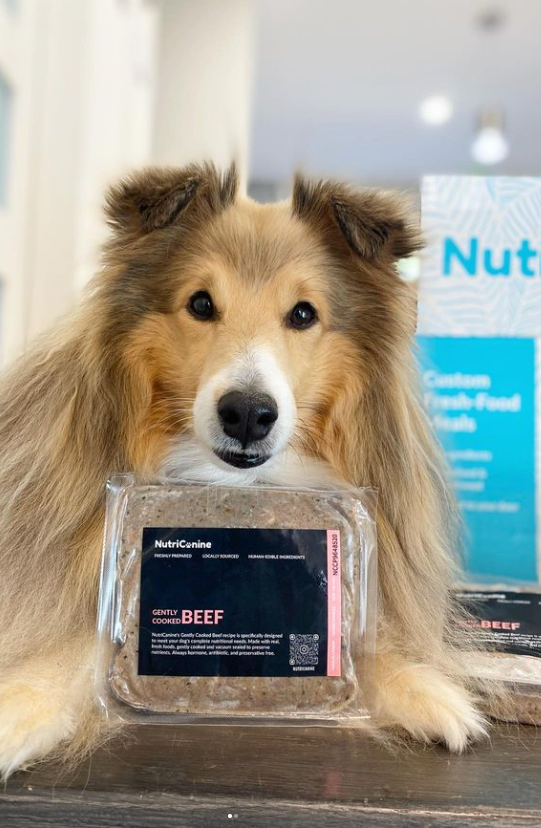
“I have three pups, all picky eaters, and they devoured their meals! I’m so happy to have found a quick, easy and super healthy food.”
 Verified Purchase
Top 10 Dog Superfoods for Optimal Health
Top 10 Dog Superfoods for Optimal Health
The term 'superfood' has become a fixture in both human and pet wellness conversations. But when it comes to your dog's diet, what does it actually mean, and does it matter?
In canine nutrition, a superfood is not a magic ingredient. It is a whole-food ingredient that delivers an exceptional concentration of nutrients, antioxidants, fibre, healthy fats, or bioactive compounds relative to its caloric contribution. These ingredients tend to be minimally processed, highly digestible, and rich in compounds that support long-term health rather than simply meeting baseline requirements.
It is important to be upfront: no single food will transform your dog's health on its own. Optimal nutrition comes from a complete and balanced diet, one that meets your dog's life stage requirements and suits their individual health profile. What superfoods can do is elevate the nutritional quality of an already well-formulated diet, adding layers of functional benefit that dry, heavily processed kibble often cannot provide.
Fresh, minimally processed ingredients tend to retain more of their heat-sensitive nutrients, including certain vitamins, enzymes, and phytonutrients, than ingredients subjected to high-heat extrusion. This is one of the reasons the fresh dog food movement has gained so much scientific and consumer interest in recent years.

What Makes a Food a "Superfood" for Dogs?
Before diving into the list, it helps to understand the nutritional criteria that elevate an ingredient from simply useful to genuinely functional. Here is what we look for:
Nutrient Density
Nutrient-dense ingredients deliver vitamins, minerals, amino acids, or fatty acids in meaningful amounts without adding excessive calories. For dogs on fresh diets, every bite should be working hard nutritionally.
Bioavailability
A nutrient is only valuable if your dog can actually absorb and use it. Some ingredients contain nutrients in forms that are easier for dogs to digest and absorb than others. Animal-sourced nutrients, for example, are often more bioavailable to dogs than plant-sourced equivalents.
Antioxidants and Phytonutrients
Antioxidants help neutralize free radicals, which are unstable molecules that can damage cells over time. Many colourful fruits and vegetables are rich in plant compounds such as flavonoids, carotenoids, and polyphenols that have been shown in research to support cellular health and reduce oxidative stress.
Omega Fatty Acids
Omega-3 and omega-6 fatty acids play roles in inflammation regulation, skin and coat health, brain function, and cardiovascular support. The ratio and source of these fats matters significantly.
Fibre and Gut Health
Prebiotic fibre feeds beneficial bacteria in the gut, supporting a healthy microbiome. A well-functioning digestive system underpins immune function, nutrient absorption, and overall wellbeing.
Protein Quality
High-quality animal proteins provide all the essential amino acids dogs require. Protein digestibility varies significantly between ingredients, and poorly digestible proteins contribute to stool volume and GI stress rather than muscle maintenance and cellular repair.
Fresh vs. Heavily Processed Ingredients
High-heat processing, as used in kibble extrusion, can degrade heat-labile nutrients including vitamin C, B vitamins, and certain enzymes. Fresh and lightly cooked ingredients preserve more of their native nutritional profile, which is why ingredient quality and processing method are inseparable considerations in diet formulation.

Top 10 Dog Superfoods for Optimal Health
1. Blueberries
Key Nutrients
Vitamin C, vitamin K, manganese, dietary fibre, anthocyanins, quercetin
Health Benefits
Blueberries are one of the most well-studied antioxidant-rich fruits in both human and animal nutrition. The anthocyanins responsible for their deep blue-purple colour are potent free radical scavengers that have been shown in research to support cognitive function, reduce inflammation, and protect cells from oxidative damage.
For dogs, this translates to potential support for brain health in ageing animals, immune function, and recovery from physical activity. Their relatively low glycemic impact compared to other fruits also makes them a smarter choice for dogs managing weight.
Which Dogs May Benefit Most
Senior dogs (cognitive and joint support), active dogs, and dogs with inflammatory conditions.
Feeding Considerations
A small handful of fresh or frozen blueberries a few times per week is appropriate as a treat or food topper. In fresh dog food formulations, blueberries are incorporated in measured amounts to avoid excess sugar while capturing their phytonutrient benefits.
Look for blueberries in: NutriCanine fresh recipes featuring seasonal produce and antioxidant-rich fruits.

2. Salmon
Key Nutrients
EPA and DHA (omega-3 fatty acids), high-quality complete protein, vitamin D, B vitamins (particularly B12 and niacin), selenium, potassium
Health Benefits
Salmon is one of the most nutrient-complete protein sources available for dogs. Its standout attribute is its concentration of EPA (eicosapentaenoic acid) and DHA (docosahexaenoic acid), the long-chain omega-3 fatty acids that drive some of the most significant health outcomes in canine nutrition research.
EPA and DHA support the resolution of inflammation at a cellular level, which has downstream benefits for skin and coat condition, joint mobility, cardiovascular health, and neurological development. DHA in particular is critical for puppy brain and eye development, and for maintaining cognitive function in older dogs.
Salmon also provides a complete amino acid profile with excellent digestibility, making it appropriate for dogs with sensitivities to more common proteins like chicken or beef.
Which Dogs May Benefit Most
Puppies (DHA for development), senior dogs, dogs with skin conditions, dogs with joint issues, and those with protein sensitivities.
Feeding Considerations
Salmon must always be cooked before feeding to dogs to eliminate the risk of Neorickettsia helminthoeca (salmon poisoning disease), which is caused by a parasite found in raw Pacific salmon. In properly formulated fresh dog food, salmon is cooked and portioned to deliver meaningful omega-3 levels without excess caloric load.
Look for salmon in: NutriCanine Salmon Recipe, a complete and balanced fresh-cooked option featuring wild salmon as the primary protein.

3. Pumpkin
Key Nutrients
Soluble and insoluble dietary fibre, beta-carotene (vitamin A precursor), potassium, vitamin C, zinc, iron
Health Benefits
Pumpkin has earned a well-deserved reputation in veterinary nutrition as a gentle digestive regulator. Its soluble fibre content, particularly pectin, absorbs excess water in the GI tract, which helps firm loose stools. Simultaneously, its insoluble fibre adds bulk that supports motility and regularity, making pumpkin genuinely useful for dogs at either end of the digestive spectrum.
Beyond digestion, pumpkin provides beta-carotene, which dogs convert to vitamin A to support vision, immune function, and skin integrity. Its high moisture content also contributes to hydration, which matters more than many owners realize in dogs eating primarily dry diets.
Which Dogs May Benefit Most
Dogs with sensitive stomachs, intermittent loose stools, constipation, or those needing additional dietary fibre for gut health support.
Feeding Considerations
Plain cooked or pureed pumpkin (not sweetened pie filling) is appropriate. In fresh food formulations, pumpkin is a practical and palatable source of functional fibre that also contributes to the moisture content and flavour profile of the meal.
Look for pumpkin in: NutriCanine recipes formulated for digestive health and sensitive stomachs.

4. Spinach
Key Nutrients
Iron, calcium, potassium, magnesium, vitamins A, C, K, and B9 (folate), lutein, zeaxanthin
Health Benefits
Spinach is a micronutrient powerhouse, offering a concentrated dose of vitamins and minerals alongside beneficial plant pigments like lutein and zeaxanthin that support eye health and reduce oxidative stress. Its folate content supports cellular repair and DNA synthesis, which is particularly relevant for rapidly growing puppies and pregnant or nursing dogs.
The iron in spinach, while non-heme in form and therefore less bioavailable than animal-sourced iron, still contributes to overall dietary iron intake when paired with a vitamin C-rich ingredient that enhances absorption.
Which Dogs May Benefit Most
Dogs that benefit from additional micronutrient support, particularly for eye health, cellular repair, and immune function.
Feeding Considerations
Spinach contains oxalates, compounds that can interfere with calcium absorption and potentially contribute to calcium oxalate urinary crystals in predisposed dogs. It should be fed in moderation and is not appropriate as a major dietary component for dogs with a history of urinary stones. Light cooking reduces oxalate levels. In a properly formulated diet, spinach is used in small, measured quantities where it contributes micronutrient diversity without posing a risk.
Look for spinach in: NutriCanine fresh recipes incorporating leafy green vegetables for micronutrient depth.

5. Eggs
Key Nutrients
Complete protein (all essential amino acids), choline, riboflavin (B2), vitamin B12, vitamin D, selenium, lutein, zeaxanthin, omega fatty acids (yolk)
Health Benefits
Eggs are often cited as the gold standard for protein quality due to their nearly perfect amino acid profile and exceptional digestibility. In nutritional science, egg protein is used as a reference protein against which other proteins are measured.
The yolk is a concentrated source of choline, an essential nutrient that supports liver function, cell membrane integrity, and neurotransmitter production. Choline is often under-supplied in commercial pet diets, making egg yolk a meaningful functional contribution. The yolk also provides fat-soluble vitamins D and A, plus lutein and zeaxanthin for eye health.
Which Dogs May Benefit Most
All life stages, particularly puppies (choline for brain development), seniors, active dogs, and those recovering from illness or surgery.
Feeding Considerations
Whole eggs, cooked, are safe and highly beneficial for most dogs. Raw egg white contains avidin, a protein that binds biotin and can cause a biotin deficiency if fed in large quantities over time. Cooking deactivates avidin. Whole cooked eggs are one of the most digestible protein sources available and are appropriate as a regular component of a balanced diet.

6. Sardines
Key Nutrients
EPA and DHA omega-3 fatty acids, complete protein, calcium (when eaten with bones), vitamin D, B12, phosphorus, CoQ10
Health Benefits
Sardines are one of the most nutrient-dense, sustainable, and affordable marine superfoods available for dogs. As a small, short-lived fish, sardines accumulate very little mercury or other environmental contaminants compared to larger fish like tuna, making them one of the safest regular fish options in canine diets.
Like salmon, sardines are rich in EPA and DHA, supporting anti-inflammatory pathways, skin and coat health, joint mobility, and cardiovascular function. Sardines also provide CoQ10 (coenzyme Q10), a compound involved in cellular energy production and antioxidant defence that is not commonly found in plant-based ingredients.
When sardines are consumed with their soft, edible bones, they also contribute a meaningful amount of bioavailable calcium and phosphorus.
Which Dogs May Benefit Most
Dogs needing additional omega-3 support, senior dogs, dogs with skin or joint concerns, and those on novel protein diets.
Feeding Considerations
Sardines packed in water (with no added salt) are the most appropriate form. They should complement, not replace, a complete and balanced diet. Portion size matters, as the caloric contribution from fat is significant.

7. Sweet Potatoes
Key Nutrients
Beta-carotene (vitamin A precursor), vitamin C, potassium, manganese, B vitamins, dietary fibre, complex carbohydrates
Health Benefits
Sweet potatoes are one of the most nutritionally complete carbohydrate sources used in dog food formulation. They deliver complex carbohydrates that provide sustained energy release without the blood sugar spike associated with refined starches. Their fibre content supports gut microbiome health and regularity, while their beta-carotene content makes them one of the richest plant sources of vitamin A precursors available.
Potassium and manganese support muscle function, nerve transmission, bone health, and metabolic processes. Vitamin C, though dogs synthesize it endogenously, provides additional antioxidant support under conditions of stress or illness.
Which Dogs May Benefit Most
Dogs needing highly digestible carbohydrate sources, those with grain sensitivities, active dogs requiring sustained energy, and those benefiting from additional dietary fibre.
Feeding Considerations
Sweet potatoes should always be cooked before feeding to improve starch digestibility and reduce any antinutritional factors present in the raw root. They are naturally sweet and highly palatable, making them an easy ingredient for dogs to accept. In a balanced formulation, sweet potatoes are portioned to complement the macronutrient profile rather than dominate it.
Look for sweet potatoes in: NutriCanine fresh recipes as a digestible, nutrient-dense carbohydrate source.

8. Kefir and Fermented Foods
Key Nutrients
Live probiotic cultures (Lactobacillus, Bifidobacterium species), calcium, phosphorus, B vitamins, bioavailable protein, short-chain fatty acids (from fermentation)
Health Benefits
The gut microbiome has emerged as one of the most important frontiers in canine health research. A diverse, balanced gut microbiome is associated with better immune regulation, improved nutrient absorption, lower rates of GI dysfunction, and even influences on mood and behaviour through the gut-brain axis.
Kefir is a fermented dairy beverage that provides a diverse array of live beneficial bacteria and yeast. Unlike regular milk, the fermentation process breaks down most of the lactose, making kefir significantly more tolerable for dogs that are sensitive to dairy. The beneficial bacteria delivered by kefir and other fermented foods help maintain the integrity of the gut lining and compete against pathogenic bacteria.
Other fermented foods that may benefit dogs include unsweetened plain yogurt, fermented vegetables (in small quantities), and commercially prepared probiotic supplements formulated for dogs.
Which Dogs May Benefit Most
Dogs with GI sensitivity, those recovering from antibiotic treatment, dogs with loose stools, and any dog that could benefit from microbiome support.
Feeding Considerations
Plain, unsweetened kefir made from whole milk is preferred. Flavoured kefir products often contain added sugars or xylitol, which is toxic to dogs. Start with small amounts to assess individual tolerance. Kefir and fermented foods are best used as a complement to a balanced diet, not a replacement for veterinary probiotic guidance in dogs with diagnosed GI disease.

9. Turmeric
Key Nutrients
Curcumin (active polyphenol), manganese, iron, vitamin B6, potassium, fibre
Health Benefits
Turmeric has been studied extensively for its anti-inflammatory and antioxidant properties, with curcumin being identified as its primary bioactive compound. Research in both animals and humans has suggested that curcumin can help modulate inflammatory pathways, support liver detoxification processes, and provide antioxidant protection at the cellular level.
In dogs, turmeric is most often discussed in the context of joint health and age-related inflammation, where reducing systemic inflammatory burden may help support comfort and mobility. Some evidence also points to curcumin's role in supporting digestive function and gut lining integrity.
Which Dogs May Benefit Most
Senior dogs, dogs with joint stiffness, and those that may benefit from additional anti-inflammatory support as part of a holistic nutrition strategy.
Feeding Considerations
Curcumin has notoriously poor bioavailability on its own. Pairing turmeric with a small amount of fat and black pepper (piperine) significantly improves absorption, which is why well-formulated functional recipes often combine these ingredients deliberately. Turmeric should be used in small, culinary quantities in canine diets. It is not a treatment for any medical condition, and dogs with gallbladder issues, those on blood-thinning medications, or those scheduled for surgery should not receive turmeric without veterinary guidance.
Look for turmeric in: NutriCanine Salmon Recipe and anti-inflammatory supportive formulations.

10. Bone Broth
Key Nutrients
Glycine, proline, hydroxyproline (collagen precursor amino acids), glucosamine, chondroitin, hyaluronic acid (joint-supportive compounds), gelatin, trace minerals
Health Benefits
Bone broth has moved well beyond folk remedy status and into the territory of evidence-informed functional nutrition. Slow-simmered bone broth is rich in gelatin and collagen breakdown products that support the health of connective tissue, including cartilage, tendons, ligaments, and the gut lining.
The amino acids glycine and proline are the primary building blocks of collagen, and broth provides them in a highly bioavailable form. Research has also highlighted the role of glycine in liver detoxification, supporting Phase II detox pathways. The glucosamine and chondroitin naturally present in broth contribute to cartilage matrix maintenance, making bone broth a meaningful ingredient for joint health support.
As a liquid ingredient, bone broth also significantly increases the palatability and moisture content of fresh food, encouraging adequate hydration, which is a genuine concern for dogs eating predominantly dry diets.
Which Dogs May Benefit Most
Senior dogs, dogs with joint concerns, picky eaters, dogs recovering from illness, and those needing increased moisture intake.
Feeding Considerations
Bone broth used in dog food should be low in sodium and free of onions, garlic, or other alliums, which are toxic to dogs. Many commercial bone broths marketed for humans contain these ingredients, so it is important to source broth specifically formulated for pets or made at home with appropriate ingredients. Bone broth is a complement to a complete diet, not a standalone nutrition source.

Are Superfoods Enough for a Healthy Diet?
Superfoods are a meaningful addition to your dog's diet. They are not, however, a substitute for a nutritionally complete and balanced formulation.
One of the most common and well-intentioned mistakes dog owners make is adding individual ingredients to a commercial diet without understanding the nutritional consequences. Home-cooked diets assembled from trendy ingredients without professional formulation guidance routinely fall short in calcium, phosphorus, zinc, iodine, and vitamin D, among other nutrients. Deficiencies in these areas may not become apparent for months, but their long-term effects on bone development, immune function, and metabolic health can be significant.
Balance and formulation matter more than any individual ingredient. A diet built on a foundation of high-quality animal protein, appropriate fat sources, digestible carbohydrates, and a complete micronutrient profile will always outperform a poorly formulated diet sprinkled with superfoods.
The role of superfoods is to enhance an already well-constructed diet, not to compensate for nutritional gaps. If you are considering transitioning your dog to a fresh food diet or adding functional ingredients to their current meals, working with a board-certified veterinary nutritionist or a certified companion animal nutritionist ensures that the additions are safe, appropriate, and genuinely beneficial for your individual dog.
Why Fresh Food Diets Naturally Include Functional Ingredients
Fresh dog food is not simply a trend. It reflects a return to ingredient quality and formulation transparency that many dog owners have been looking for.
When a diet is built from whole, recognizable ingredients, the nutritional contributions of each component are more predictable, more transparent, and often more bioavailable than the recovered, rendered, and spray-coated ingredients that form the basis of most ultra-processed dry dog food.
Fresh diets naturally lend themselves to incorporating functional superfoods because the cooking process is gentler, the ingredients are less degraded by processing, and the formulation can be personalized to the specific life stage, breed size, activity level, and health needs of the individual dog. This is the model NutriCanine was built around: not just fresh for the sake of fresh, but fresh because it delivers measurably better ingredient quality and nutritional integrity.
NutriCanine: Fresh Food Built Around Functional Nutrition
NutriCanine was founded on a straightforward premise: dogs deserve food formulated the way a canine nutrition expert would build it, using real, whole-food ingredients in ratios that actually support health, not just meet the minimum label requirements.
What Sets NutriCanine Recipes Apart
• High-quality animal proteins as the primary ingredient in every recipe, sourced for freshness and digestibility
• Functional produce including superfoods like pumpkin, sweet potatoes, spinach, and blueberries, incorporated in nutritionally meaningful amounts
• Healthy fat sources including fish oil and other omega-3 rich ingredients that support skin, coat, and inflammatory balance
• Minimal processing: gently cooked at lower temperatures to preserve heat-sensitive vitamins and food-derived enzymes
• No fillers, artificial preservatives, or unnecessary additives
• Recipes formulated to meet AAFCO nutrient profiles for the appropriate life stage, ensuring complete and balanced nutrition in every serving
•Personalized meal plans based on your dog's weight, age, breed, and activity level

Fresh vs. Ultra-Processed Kibble
The comparison is not simply about ingredient lists. Kibble extrusion subjects ingredients to temperatures exceeding 150 degrees Celsius, which degrades heat-sensitive vitamins, denatures proteins, and reduces the digestibility of some nutrients. Manufacturers compensate by adding synthetic vitamin and mineral premixes after processing, but the bioavailability and interaction of these synthetic additions does not always match what whole-food sources naturally provide.
Fresh-cooked dog food maintains ingredient integrity, supports higher digestibility, and typically results in smaller, firmer stools, an indicator of better nutrient utilization. Many owners also report improvements in energy, coat quality, and stool consistency when transitioning from kibble to a well-formulated fresh diet.
This is not a criticism of every kibble on the market. It is an honest assessment of the nutritional trade-offs involved in processing method and ingredient quality. For owners who want to do better, fresh is a meaningful step forward.
Frequently Asked Questions
What are the healthiest superfoods for dogs?
The healthiest superfoods for dogs are those that provide high nutrient density with good bioavailability and minimal risk. Based on current nutritional evidence, salmon, eggs, blueberries, pumpkin, sardines, and bone broth consistently rank among the most beneficial. The best choice for any individual dog depends on their health status, life stage, and existing diet.
Can dogs eat superfoods every day?
Many superfoods are entirely appropriate for daily inclusion as part of a complete and balanced diet. Salmon, eggs, pumpkin, and sweet potatoes, for example, are incorporated as core recipe ingredients in NutriCanine's fresh meals. Others, like turmeric or kefir, are better used as functional additions in measured quantities. The key is that the overall diet remains nutritionally complete and balanced.
Are human superfoods safe for dogs?
Many human superfoods are safe and beneficial for dogs. However, not all are appropriate. Grapes, raisins, onions, garlic, avocado, and macadamia nuts are among the human foods that are toxic to dogs. Foods containing xylitol (a common sweetener in many products) are also dangerous. When in doubt, check with your veterinarian or a canine nutritionist before adding new foods to your dog's diet.
What foods should dogs avoid?
Dogs should avoid grapes and raisins, onions, garlic, leeks, and chives, chocolate, caffeine, alcohol, macadamia nuts, xylitol (found in sugar-free gum, some peanut butters, and other products), avocado (the flesh, skin, and pit), and raw yeast dough. Cooked bones can also pose a hazard due to splintering. This list is not exhaustive, and you should always consult a veterinary professional before introducing unfamiliar foods.
Is fresh food healthier than kibble?
Fresh food formulated by a qualified nutritionist and balanced to meet life stage requirements is generally considered nutritionally superior to ultra-processed dry kibble, primarily due to better ingredient quality, higher digestibility, and improved moisture content. That said, the quality of fresh food varies considerably between products, and not all fresh options are created equal. Look for fresh food that meets AAFCO (or equivalent) nutrient profiles and is formulated by qualified nutritionists.
Can puppies eat superfoods?
Yes, with appropriate care. Many superfoods are beneficial and appropriate for puppies, including eggs (excellent for DHA and protein), salmon (critical DHA for brain and eye development), pumpkin (digestive support), and blueberries (antioxidants). Puppies have specific nutrient requirements for growth that differ substantially from adult dogs, so any diet, whether fresh or conventional, must be formulated specifically for growth or all life stages. Always transition to new foods gradually and consult a veterinary nutritionist if you have questions about puppy-specific nutrition.
How do I know if my dog's fresh food is nutritionally complete?
Look for products that explicitly state they meet AAFCO nutrient profiles for the appropriate life stage (growth, maintenance, or all life stages). A nutritional adequacy statement on the label is required for Canadian and US market compliance. Beyond the label, signs of a well-nourished dog include a healthy weight, glossy coat, good energy, consistent firm stools, and clear eyes. Regular veterinary check-ups, including bloodwork for senior dogs or those with health conditions, are the best way to monitor nutritional status over time.
Take Home Message
Superfoods are not a shortcut to health. They are a meaningful expression of ingredient quality within a diet that is already built on the right foundation.
When your dog eats a fresh, complete, and balanced diet that incorporates ingredients like salmon, blueberries, pumpkin, eggs, sardines, and bone broth, they are not just getting calories. They are getting antioxidants, bioavailable omega-3 fatty acids, prebiotic fibre, collagen-supportive amino acids, and a spectrum of vitamins and minerals that heavily processed diets often struggle to replicate.
The goal of nutrition is not a list of trendy ingredients. It is a diet that meets your dog's individual needs, supports every system in their body, and is made from ingredients you can feel good about. That is the philosophy behind every NutriCanine recipe.
If you are ready to explore what a fresh, nutritionist-formulated diet can do for your dog, we invite you to discover NutriCanine's personalized meal plans. Start with a feeding quiz, explore our ingredient standards, or connect with our team to learn more.