Verified Purchase
In recent years, pet owners have become increasingly invested in the health and longevity of their furry companions. This is a fantastic new development that really exemplifies the bond between humans and their pets.As a result of increased investment of their pet’s well being, pet parents are also becoming more aware of what they are feeding their dogs and are holding pet food companies to a higher standard and accountability.
One of the most impactful ways to improve a dog’s quality of life and extend their lifespan is through proper nutrition. While traditional kibble has long been the staple of canine diets, growing research suggests that fresh food diets may offer significant health advantages.
The Science of Nutrition and Longevity in Dogs
Nutrition plays a critical role in overall health, and dogs are no exception. Studies on the relationship between diet and longevity in dogs indicate that fresh food diets can have several advantages over highly processed options like kibble.
1. Reduced Inflammation and Disease Risk
Highly processed foods, such as traditional kibble, often include preservatives, artificial additives, fillers, and low-quality ingredients like meat by-products and refined carbohydrates. These components can lead to chronic, low-grade inflammation in dogs, which over time may compromise their immune system and contribute to the development of serious health conditions, including arthritis, certain cancers, heart disease, diabetes, and kidney dysfunction.
Chronic inflammation is not only a response to poor-quality ingredients but also exacerbated by the lack of essential nutrients, antioxidants, and healthy fats that support cellular health and repair. Conversely, diets rich in whole, minimally processed foods like fresh, high-quality proteins, fruits, and vegetables provide bioavailable nutrients and anti-inflammatory compounds. Ingredients such as omega-3 fatty acids from fish, fiber from vegetables, and antioxidants from fruits work synergistically to combat inflammation, support joint health, and protect against cellular damage.
By replacing processed foods with fresh, nutrient-dense options, pet owners can significantly reduce their dogs’ inflammatory burden, improving their overall health, vitality, and quality of life.
A study published in the Journal of Animal Physiology and Animal Nutrition highlighted that dogs fed diets with higher levels of antioxidants from fresh food experienced reduced oxidative stress and inflammation compared to those fed kibble-based diets
2. Improved Gut Health
Fresh food diets often incorporate high-quality proteins and natural fibers that nourish the gut microbiome, a diverse community of trillions of microorganisms residing in and on the bodies of humans and animals, with the gut being a central hub. These microorganisms, including beneficial bacteria, fungi, and viruses, form a symbiotic relationship with their host and play a pivotal role in digestion, breaking down complex nutrients, and enabling their absorption.
Beyond digestion, the gut microbiome is intricately linked to the immune system, acting as a first line of defense against harmful pathogens and supporting overall immune regulation. It also influences the production of key metabolites, such as short-chain fatty acids, which have anti-inflammatory properties and contribute to a healthy gut lining. A balanced microbiome ensures optimal nutrient uptake, protects against gastrointestinal issues, and helps prevent systemic conditions like allergies, obesity, and chronic inflammation.
Fresh food diets, rich in prebiotic fibers from vegetables and high-quality proteins, create an environment that fosters the growth of beneficial bacteria while reducing the dominance of harmful microbes. This promotes a balanced and diverse microbiome, essential for long-term health, resilience against diseases, and overall vitality in dogs.
A 2021 study in Veterinary Medicine and Science found that dogs consuming fresh diets had a more diverse and beneficial gut microbiota compared to those eating kibble. This diversity is linked to better digestion, reduced risk of gastrointestinal disorders, and improved immune responses.
3. Better Weight Management
Obesity is a leading cause of reduced lifespan in dogs. Fresh food diets allow for more precise portion control and are less likely to include fillers that contribute to weight gain. Certain fresh food companies, like NutriCanine, even proportion your dog’s food according to their daily calorie needs. A lean, healthy weight can reduce the risk of obesity-related diseases such as diabetes, arthritis, and heart conditions.
4. Enhanced Coat and Skin Health
Fresh food diets are rich in essential nutrients that directly support the health and appearance of a dog’s skin and coat. These diets typically include high-quality proteins, vitamins, minerals, and fatty acids that work together to nourish the skin from within, promoting elasticity, hydration, and barrier integrity. Essential fatty acids, particularly omega-3 and omega-6 fatty acids from sources like fish, flaxseed, and certain oils, are crucial for reducing inflammation, maintaining skin cell function, and producing a lustrous, healthy coat.
Omega-3 fatty acids, in particular, have anti-inflammatory properties that help alleviate common skin problems such as dryness, itching, and redness caused by allergies or other irritants. These nutrients also combat dandruff and promote a smoother, shinier coat by keeping the hair follicles well-nourished and hydrated. Additionally, vitamins like E and A, often found in fresh fruits and vegetables, provide antioxidant protection to skin cells, reducing damage from environmental stressors like UV rays and pollution.
Minerals such as zinc and copper, frequently present in fresh, whole food ingredients, are essential for collagen production and keratin synthesis, which are vital for maintaining strong, resilient skin and a vibrant coat. By providing these bioavailable nutrients, fresh food diets offer a holistic approach to skin and coat care, ensuring dogs not only look their best but also feel comfortable and protected against dermatological issues.
Why Fresh Food is Preferable to Raw Food
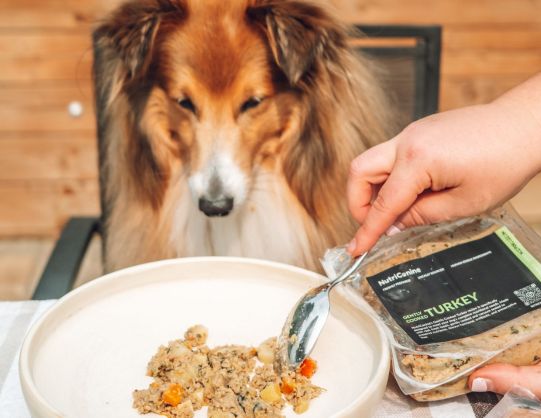
Fresh food and raw food diets both emphasize whole, minimally processed ingredients, but fresh food often provides a safer, more balanced, and convenient option for dogs. Raw diets, while popular for their natural appeal, can pose significant risks related to food safety. Handling raw meat introduces the potential for contamination with harmful pathogens like Salmonella, E. coli, and Listeria, which can threaten not only the dog but also the humans in the household. Fresh food, which is gently cooked to retain nutritional integrity, eliminates these risks while preserving essential nutrients, making it a safer alternative.
Another key advantage of fresh food over raw is the ability to deliver balanced nutrition. Many raw diets, especially homemade versions, lack proper formulation and can lead to nutrient deficiencies or imbalances over time. For example, inadequate calcium or phosphorus levels in raw diets can harm bone health, particularly in growing puppies. Fresh food diets, on the other hand, are often developed under the guidance of veterinary nutritionists to ensure they meet AAFCO (Association of American Feed Control Officials) standards, providing dogs with all the essential vitamins, minerals, and macronutrients they need for optimal health.

Why Fresh Food Could Prolong Lifespan
1. High-Quality Ingredients Lead to Better Health
Fresh food diets stand out for their reliance on whole, natural ingredients, delivering nutrients in their most bioavailable and unprocessed forms. These diets typically consist of premium-quality proteins, such as fresh cuts of chicken, beef, turkey, or fish, paired with nutrient-rich vegetables and fruits like spinach, carrots, and blueberries. Such ingredients are carefully selected to provide a balanced array of proteins, vitamins, minerals, and essential fatty acids that support optimal health and well-being in dogs.
In contrast, many commercial kibble products use highly processed ingredients such as meat by-products, which can include rendered parts of animals unsuitable for human consumption, and low-grade grains like corn and wheat, which are often used as inexpensive fillers. These processed components are subjected to high-heat extrusion during manufacturing, which can degrade the nutritional quality of the food and strip it of natural vitamins and enzymes. Additionally, kibble often contains artificial additives, preservatives, and flavor enhancers that provide little to no nutritional benefit and may contribute to long-term health issues.
Fresh food diets, on the other hand, avoid these pitfalls by prioritizing minimally processed, human-grade ingredients that retain their natural nutrient profiles. This approach ensures dogs receive the essential nutrients they need for energy, immune support, and overall vitality, without the drawbacks associated with artificial additives or filler-based nutrition. By offering superior quality and nutrition, fresh food diets lay a solid foundation for a healthier, longer life for dogs.
According to a study published in Animals (2022), dogs fed fresh food diets demonstrated improved biomarkers for health, such as lower cholesterol levels and healthier liver enzyme profiles. These biomarkers are critical indicators of long-term health .
2. Reduced Exposure to Harmful Compounds
The manufacturing of kibble involves high-temperature processes, such as extrusion and baking, which can lead to the formation of harmful compounds known as advanced glycation end-products (AGEs). These compounds are created when proteins and sugars react under intense heat, resulting in chemical byproducts that are not naturally present in whole, unprocessed foods. AGEs have been extensively studied in both human and veterinary medicine and are linked to oxidative stress, chronic inflammation, and tissue damage. Over time, these effects contribute to the progression of age-related diseases such as arthritis, kidney dysfunction, heart disease, and certain types of cancer.
Furthermore, AGEs can impair the body’s normal cellular functions by cross-linking with proteins and DNA, accelerating cellular aging and reducing the body’s ability to repair damage. In dogs, diets high in AGEs, like those derived from highly processed kibble, may exacerbate conditions associated with aging and reduce overall vitality.
Fresh food diets, which are minimally processed and cooked at lower temperatures, significantly reduce the presence of AGEs. By relying on whole, natural ingredients that retain their nutritional integrity, fresh diets minimize exposure to these harmful compounds while maximizing the intake of antioxidants and other protective nutrients. This approach supports healthier aging, reduces the risk of chronic disease, and helps dogs maintain optimal health and energy throughout their lives.
3. Tailored Nutrition for Specific Needs
One of the most significant advantages of fresh food diets is their ability to be tailored to a dog’s unique nutritional requirements, taking into account factors like age, size, breed, activity level, and specific health conditions. Unlike mass-produced kibble, which offers a one-size-fits-all approach, fresh food diets allow for precise adjustments to meet the diverse needs of individual dogs.
For instance, senior dogs often benefit from diets enriched with joint-supporting nutrients like glucosamine, chondroitin, and omega-3 fatty acids, which help reduce inflammation and maintain mobility as they age. These diets can also be lower in calories but higher in high-quality protein to support lean muscle mass without contributing to unnecessary weight gain, a common issue for less active senior dogs.
Active breeds and working dogs, on the other hand, require higher levels of protein and calories to sustain their energy demands and promote muscle recovery after intense activity. Ingredients like lean meats, eggs, and fish provide bioavailable proteins and amino acids essential for muscle maintenance and repair.
Dogs with specific health conditions, such as allergies, diabetes, or kidney disease, may require specialized diets that exclude certain allergens, regulate carbohydrate intake, or limit phosphorus levels. Fresh food diets can be customized to address these needs, ensuring dogs receive a balanced and safe diet tailored to their health challenges.
Customization not only ensures optimal nutrition but also enhances a dog’s overall quality of life by addressing their individual requirements, reducing the risk of dietary imbalances, and promoting long-term health and vitality. By feeding a diet designed just for them, pet owners can help their dogs thrive at every stage of life.
Recommendations from a Pet Nutritionist
"Feeding fresh food to dogs whenever possible is one of the best choices pet owners can make," says Companion Animal, Nutritionist Andrea Geiger. "Fresh diets retain more nutrients due to minimal processing, ensuring dogs get optimal levels of essential vitamins, minerals, and proteins. They’re also more palatable, making mealtime more enjoyable and satisfying for dogs. Beyond that, a well-balanced fresh diet serves as preventative medicine, reducing the risk of chronic conditions commonly associated with aging, and their higher moisture content supports better hydration, which is critical for kidney and urinary tract health."
Andrea is a companion animal nutritionist with a master’s degree in veterinary nutrition and toxicology from the University of Saskatchewan. As Director of Nutrition at NutriCanine, she combines her academic expertise and lifelong passion for animal health to develop science-backed, personalized meal plans that promote the well-being of dogs.
Why NutriCanine Fresh Food Is the Perfect Fit for Your Dog
1. High-Quality, Locally Sourced Ingredients
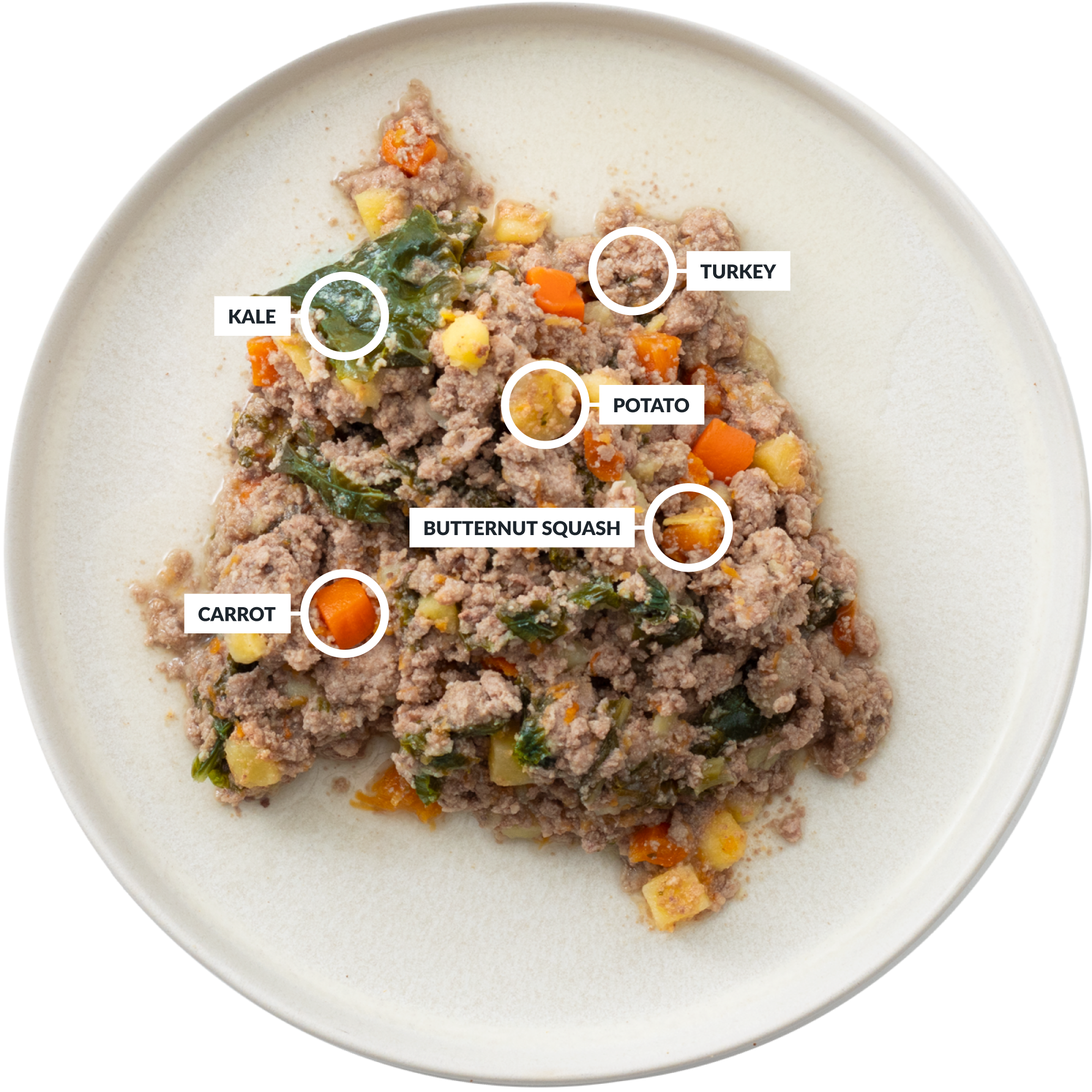
NutriCanine is committed to using premium, locally sourced ingredients that are free from artificial additives, fillers, and preservatives. Each recipe is crafted with human-grade proteins, nutrient-rich vegetables, and superfoods to provide complete and balanced nutrition.
2. Customized for Your Dog
No two dogs are the same, and NutriCanine recognizes this by offering customized meal plans tailored to your dog’s age, breed, size, and health goals. Whether your dog needs weight management support, allergen-friendly recipes, or a senior-specific diet, NutriCanine has the perfect solution.
3. Expertly Formulated
NutriCanine’s recipes are developed in consultation with certified veterinary nutritionists, ensuring every meal is nutritionally complete and balanced. Each recipe adheres to AAFCO (Association of American Feed Control Officials) standards for optimal canine health.
4. Convenient and Eco-Friendly
NutriCanine delivers fresh food directly to your doorstep, pre-portioned and ready to serve. The company also takes sustainability seriously, utilizing eco-friendly packaging and partnering with local suppliers to reduce its carbon footprint.
5. Real Results from Happy Dogs
Countless pet owners report noticeable improvements in their dogs' energy levels, coat condition, and overall vitality after switching to NutriCanine’s fresh food. These transformations speak to the quality and effectiveness of their diets.

How to Transition Your Dog to Fresh Food
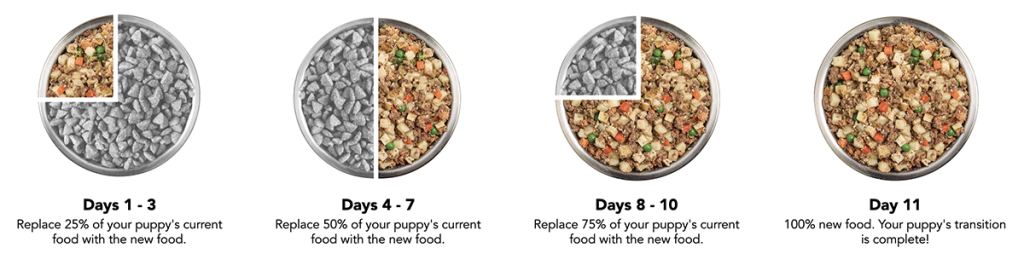
Switching your dog to a fresh food diet should be done gradually to avoid digestive upset. Over 7–10 days, slowly increase the proportion of fresh food in their meals while decreasing their old food. Monitor your dog for any signs of discomfort and consult a veterinarian if you have concerns.
Take Home Message
Feeding your dog fresh food is more than a trend—it’s an evidence-backed approach to promoting a healthier, longer life for your beloved pet. With benefits ranging from improved digestion and coat health to reduced disease risk and weight management, fresh food diets are a worthwhile investment in your dog’s future.
NutriCanine makes feeding fresh food simple, effective, and tailored to your dog’s needs. By choosing NutriCanine, you’re giving your dog the gift of health, vitality, and potentially, more precious years by your side.
References
-
Bosch, G., et al. "Antioxidants in canine nutrition: Effects on oxidative stress and inflammation." Journal of Animal Physiology and Animal Nutrition, 2018.
-
Sandri, M., et al. "Gut microbiota of dogs fed fresh diets vs. extruded diets: A metagenomic analysis." Veterinary Medicine and Science, 2021.
-
Bermingham, E. N., et al. "The effects of raw and processed diets on health biomarkers in dogs." Animals, 2022.
-
Alexander, C., et al. "Advanced glycation end-products in pet food: Implications for health." Journal of Nutrition Science, 2020.