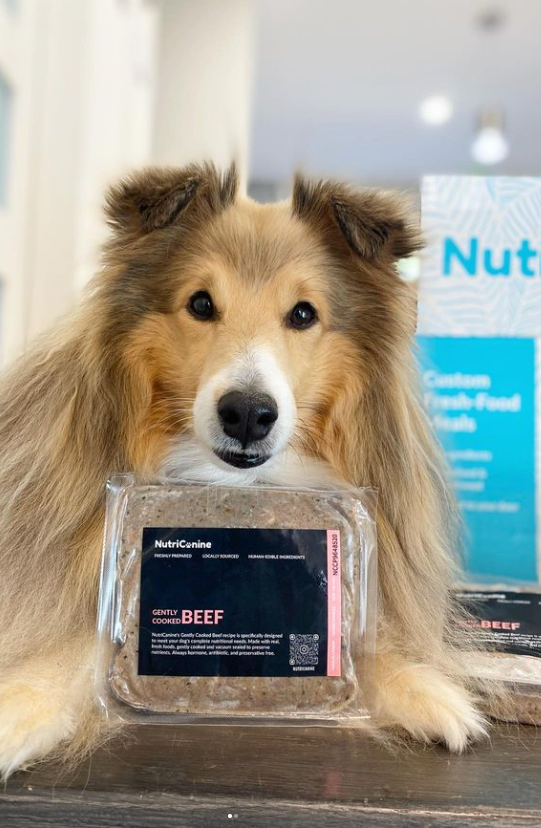
“I have three pups, all picky eaters, and they devoured their meals! I’m so happy to have found a quick, easy and super healthy food.”
 Verified Purchase
Natural Remedies for Common Dog Health Issues
Natural Remedies for Common Dog Health Issues
Many pet owners are increasingly interested in natural approaches to supporting their dog’s health. While modern veterinary medicine plays a critical role in diagnosing and treating disease, certain natural remedies can complement veterinary care and help manage common health concerns. When used appropriately and under professional guidance, natural strategies such as dietary adjustments, targeted nutrients, and botanical compounds can support the body’s normal physiological processes.
This article explores several evidence-informed natural remedies for common canine health issues, including digestive upset, joint discomfort, skin irritation, and anxiety.

Digestive Upset
Digestive issues are among the most common health concerns in dogs. Symptoms may include loose stools, vomiting, gas, bloating, or decreased appetite. These issues can occur due to dietary intolerance, stress, infection, or imbalances in the gut microbiome.
Probiotics
Probiotics are live microorganisms that, when administered in adequate amounts, deliver measurable health benefits. In dogs, these beneficial microbes play a key role in supporting gastrointestinal health by promoting a balanced and diverse microbial ecosystem within the intestines. A healthy gut microbiome is essential for nutrient absorption, optimal digestion, and overall well-being.
Scientific studies have demonstrated that specific probiotic strains can improve stool quality, reduce the frequency of diarrhea, and help restore the natural balance of gut bacteria after disruptions such as antibiotic therapy. Among the most commonly used probiotics for dogs are strains of Lactobacillus, Bifidobacterium, and Enterococcus, each with unique mechanisms for supporting digestive function and immune health.
When introduced into the gastrointestinal tract, probiotics compete with harmful bacteria for resources and attachment sites, helping to prevent overgrowth of pathogens. They also produce beneficial metabolites like short-chain fatty acids, which nourish intestinal cells and contribute to a healthy gut lining. Additionally, probiotics can modulate immune responses within the digestive tract, supporting both local and systemic immunity in dogs.
Regular probiotic supplementation can be particularly beneficial for dogs with sensitive stomachs, chronic digestive issues, or those recovering from illness or medication. Choosing a high-quality canine probiotic ensures that your dog receives an adequate number of live microorganisms to support long-term digestive wellness.
Digestive Enzymes
Digestive enzymes play a crucial role in breaking down macronutrients, proteins, fats, and carbohydrates, into smaller, absorbable molecules that the small intestine can efficiently process. For dogs, especially those with sensitive stomachs or age-related digestive changes, supplementing with digestive enzymes can help optimize nutrient absorption and overall gut health.
As dogs age, their natural production of digestive enzymes may decline, leading to mild digestive inefficiency. This can result in undigested food reaching the large intestine, where it ferments and causes gas, bloating, or loose stools. Supplementing with enzymes such as protease, lipase, and amylase supports the breakdown of proteins, fats, and carbohydrates, helping prevent digestive discomfort while maximizing nutrient availability from every meal.
Beyond supporting digestion, digestive enzymes can improve energy levels, reduce gastrointestinal upset, and promote a healthier, more balanced gut microbiome. For dogs fed a diet rich in fresh, whole ingredients, enzyme supplementation ensures that all the vital nutrients, from amino acids to vitamins, are fully accessible for absorption and use.
Incorporating digestive enzymes into your dog’s diet can be particularly beneficial for senior dogs, dogs recovering from gastrointestinal issues, or those with naturally sensitive digestion, making it a proactive approach to maintaining long-term digestive health.
Ginger
Ginger (Zingiber officinale) is a well-researched botanical known for its gastrointestinal benefits in both humans and animals. Its active compounds, including gingerols and shogaols, provide powerful anti-inflammatory and anti-nausea effects, helping to soothe the digestive tract. In dogs, ginger has been shown to support healthy gastric motility, reduce occasional nausea, and ease mild digestive discomfort.
For dogs prone to motion sickness, car rides, or intermittent digestive upset, small, controlled amounts of ginger can act as a gentle, natural remedy. When incorporated safely into a dog’s diet, ginger may help improve comfort during travel and support overall digestive wellness. Pet owners looking for natural digestive support often turn to ginger as a safe, veterinarian-approved option, making it a popular choice in canine nutrition.

Joint Pain and Mobility Issues
Joint disease, including osteoarthritis, is extremely common in aging dogs and large breeds. This condition involves progressive degeneration of cartilage, inflammation within the joint capsule, and reduced mobility.
While veterinary therapies such as anti-inflammatory medications are often necessary, certain natural compounds may provide additional support.
Omega-3 Fatty Acids
Long-chain omega-3 fatty acids, especially eicosapentaenoic acid (EPA) and docosahexaenoic acid (DHA), are essential nutrients with powerful anti-inflammatory properties. These fatty acids play a critical role in modulating inflammatory pathways by influencing eicosanoid production, cytokine signaling, and other molecular mechanisms that drive inflammation in the body.
For dogs experiencing joint discomfort, stiffness, or age-related mobility issues, omega-3 supplementation has been extensively studied and shown to provide measurable benefits. Clinical trials demonstrate that dogs receiving adequate levels of EPA and DHA experience reduced joint inflammation, improved cartilage health, and higher mobility scores compared with dogs not receiving supplementation. This can be especially valuable for senior dogs or breeds prone to arthritis and degenerative joint conditions.
Fish oil is one of the richest and most bioavailable dietary sources of long-chain omega-3 fatty acids, offering a natural way to support canine joint health. Incorporating omega-3-rich foods or supplements into a dog’s diet not only promotes joint comfort but also contributes to overall skin, coat, and cardiovascular health.
When selecting an omega-3 supplement for dogs, it’s important to choose a high-quality, purified source of EPA and DHA to ensure maximum absorption and efficacy. Consistent supplementation, under the guidance of a veterinarian or veterinary nutritionist, can make a significant difference in your dog’s quality of life, helping them stay active, agile, and comfortable throughout their lifespan.
Turmeric
Turmeric (Curcuma longa) is a powerful natural ingredient widely recognized for its health-promoting benefits. Its key bioactive compound, curcumin, has been extensively studied for its potent anti-inflammatory and antioxidant properties, making it a popular choice in canine nutrition. Curcumin works by modulating inflammatory signaling pathways, including NF-kB, which can help reduce inflammation in joint tissues, potentially supporting mobility and overall joint health in dogs.
In addition to its anti-inflammatory effects, curcumin helps combat oxidative stress by neutralizing free radicals, protecting cells and tissues from damage. This dual action makes turmeric a valuable supplement for dogs experiencing age-related joint stiffness, arthritis, or general inflammation.
One challenge with curcumin is its naturally low bioavailability, meaning only a small portion is absorbed when ingested. However, formulations that include absorption enhancers, such as black pepper extract (piperine) or fat-based carriers, can significantly improve its effectiveness, allowing dogs to gain maximum benefit from this natural compound.
When incorporated into a balanced canine diet, turmeric can complement other nutrient-dense ingredients to support joint health, immune function, and overall wellness, providing a natural, science-backed alternative for dogs prone to inflammation.
Green-Lipped Mussel
Green-lipped mussel (Perna canaliculus) is a marine ingredient rich in omega-3 fatty acids, glycosaminoglycans, and unique bioactive lipids.
Research suggests that green-lipped mussel extracts may help reduce joint inflammation and support cartilage health. These compounds may help protect joint structures by providing building blocks for cartilage repair while also modulating inflammatory processes.
6 Must-Have Joint Supplements for Dogs (Vet-Approved)
Joey DiFrancesco breaks down 6 of the best supplements for dog joint health, including glucosamine, chondroitin, turmeric, CBD, UC-II collagen, and green-lipped mussel.
Skin Allergies and Itching
Dermatological issues are another common health concern in dogs. Symptoms often include itching, redness, ear infections, and inflamed skin. These problems may be triggered by environmental allergens, parasites, or food sensitivities.
Quercetin
Quercetin is a powerful plant-derived flavonoid found in a variety of fruits, vegetables, and herbs, including apples, onions, and berries. Known for its potent antihistamine-like properties, quercetin helps support the body’s natural defense against allergic reactions. Its primary mechanism involves stabilizing mast cells, the immune cells responsible for releasing histamine during allergic responses.
By regulating histamine release, quercetin can help reduce common allergy symptoms such as itching, swelling, and inflammation. This natural compound is often called “nature’s antihistamine” because it provides gentle, plant-based support without the side effects commonly associated with pharmaceutical antihistamines. In addition to its allergy-fighting benefits, quercetin also exhibits antioxidant and anti-inflammatory effects, helping to promote overall immune health and wellbeing.
For dogs experiencing mild seasonal allergies, skin irritations, or itchiness, quercetin can be an effective natural supplement to help manage symptoms and improve comfort. Its combination of antihistamine support, antioxidant activity, and immune modulation makes it a popular choice among veterinarians and holistic pet nutritionists.
Omega-6 and Omega-3 Fatty Acid Balance
Essential fatty acids (EFAs) are vital nutrients that play a critical role in maintaining the health and integrity of your dog’s skin and coat. Among them, linoleic acid, a key omega-6 fatty acid, is especially important for supporting the structure of the epidermal barrier. A strong skin barrier helps prevent excessive water loss, keeping your dog’s skin hydrated, resilient, and less prone to dryness, flakiness, or irritation.
Equally important are omega-3 fatty acids, including EPA and DHA, which have potent anti-inflammatory properties. When balanced with omega-6 fatty acids like linoleic acid, omega-3s can help reduce inflammatory skin responses, alleviate redness or itchiness, and promote a shiny, healthy coat. Dogs with a proper balance of these fatty acids often show improvements in coat softness, sheen, and overall skin comfort.
Fresh, high-quality ingredients in dog food, such as salmon, flaxseed, and certain oils, provide naturally occurring EFAs in a form that is more bioavailable and easier for dogs to absorb. Ensuring your dog receives the right balance of omega-3 and omega-6 fatty acids through a carefully formulated diet can prevent common skin issues and support long-term dermatological health.
For pet owners looking to improve skin and coat condition naturally, incorporating EFA-rich diets into daily feeding routines is an effective, science-backed strategy that supports both external appearance and internal wellness.

Anxiety and Stress
Behavioral issues related to anxiety are increasingly recognized in companion animals. Dogs may experience stress due to separation, loud noises, unfamiliar environments, or changes in routine.
Chamomile
Chamomile (Matricaria chamomilla) is a gentle herbal remedy widely recognized for its calming effects and mild sedative properties. The plant’s bioactive compounds, including apigenin and flavonoids, interact with neurotransmitter systems in the brain, such as gamma-aminobutyric acid (GABA) pathways, which are critical for promoting relaxation and reducing stress.
When incorporated correctly into a dog’s diet or used as a supplement, chamomile can help support calm behavior in mildly anxious or stressed dogs. This can be particularly useful during events that trigger nervousness, such as thunderstorms, fireworks, or travel. Beyond its calming properties, chamomile also offers antioxidant and anti-inflammatory benefits, contributing to overall wellness.
It’s important to note that chamomile should always be used in appropriate doses and under guidance from a veterinarian, as some dogs may be sensitive or allergic to this herb.
L-Theanine
L-theanine is a unique amino acid naturally found in green tea leaves, renowned for its calming properties in humans and animals alike. This compound works by influencing key neurotransmitters in the brain, including dopamine, serotonin, and gamma-aminobutyric acid (GABA), which play critical roles in mood regulation, stress response, and overall relaxation.
In dogs, L-theanine supplementation has been studied for its ability to support mental well-being. Research and anecdotal evidence suggest that L-theanine can help reduce signs of anxiety, nervousness, and stress-related behaviors, such as excessive barking, restlessness, and destructive chewing. Importantly, it promotes relaxation without causing drowsiness or sedation, making it a safe option for dogs who need emotional support during stressful situations like vet visits, thunderstorms, or travel.
When incorporated into canine diets, either through treats, supplements, or functional dog foods, L-theanine can support a calm, balanced mood and improve your dog’s overall quality of life. Pet nutritionists often recommend it as part of a holistic approach to managing canine anxiety, alongside exercise, environmental enrichment, and a nutritionally balanced diet.
Tryptophan
Tryptophan is an essential amino acid that plays a critical role in canine health by serving as a natural precursor to serotonin, a key neurotransmitter responsible for mood regulation, relaxation, and overall emotional well-being. Dogs require sufficient levels of tryptophan in their diet because their bodies cannot synthesize it on their own. By incorporating tryptophan-rich ingredients such as turkey, chicken, eggs, and certain dairy products into a dog’s meals, pet owners can help support balanced serotonin production.
Research in veterinary nutrition suggests that dietary strategies aimed at maintaining adequate tryptophan intake may help dogs manage mild anxiety, restlessness, or stress-related behaviors. Fresh, high-quality dog food formulations, like those provided by NutriCanine, ensure that tryptophan is present in the correct amounts to promote calm, steady moods and emotional regulation.
Including tryptophan as part of a complete and balanced diet not only supports mental health but also contributes to better sleep patterns, improved behavior, and overall quality of life for dogs. For pet parents seeking natural ways to help their anxious dogs, focusing on amino acid balance, particularly tryptophan, can be an effective, nutrition-based approach.

The Importance of Nutrition in Natural Health Support
One of the most powerful natural tools for supporting canine health is nutrition. Diet influences nearly every physiological system in the body, including immune function, metabolic health, and gastrointestinal stability.
Fresh, minimally processed foods provide high-quality protein, bioavailable vitamins, and functional nutrients that help support overall wellness. Ingredients such as whole meats, vegetables, and natural sources of essential fatty acids can provide a broad spectrum of beneficial compounds that support the body’s natural defenses.
From a nutritional science perspective, balanced diets that meet established canine nutrient requirements while incorporating high-quality whole ingredients can play a foundational role in maintaining health and reducing the risk of chronic disease.
How Fresh Cooked Nutrition from NutriCanine May Support Common Health Concerns
Nutrition plays a central role in nearly every physiological system in a dog’s body. Digestive function, immune activity, skin health, joint inflammation, and even behavioral stability are all influenced by dietary composition and ingredient quality. Fresh cooked diets such as those prepared by NutriCanine can help support several of the common health concerns discussed above by providing highly digestible nutrients, functional ingredients, and balanced formulations designed specifically for canine physiology.
Supporting Digestive Health
Many digestive issues in dogs stem from poor digestibility, excessive processing, or imbalanced gut microbiota. Fresh cooked diets are typically easier for the digestive system to process because gentle cooking breaks down proteins and gelatinizes starches, improving nutrient absorption in the small intestine.
Research has shown that fresh cooked diets can achieve digestibility levels exceeding 90 percent for protein and fat, significantly higher than many heavily processed extruded foods. Greater digestibility means that dogs absorb more nutrients from each meal while producing less waste.
NutriCanine’s fresh meals are formulated with highly digestible whole ingredients such as quality meats and gently cooked vegetables. This type of formulation may help support dogs that experience:
-
Sensitive stomachs
-
Irregular stool consistency
-
Poor nutrient absorption
Because the food is freshly prepared rather than highly processed, the gastrointestinal tract is exposed to nutrients in a form that more closely resembles natural whole foods.
Supporting Skin and Coat Health
Skin health in dogs is closely tied to diet. The skin is one of the body’s largest organs and requires adequate levels of essential fatty acids, amino acids, and micronutrients to maintain barrier function and regulate inflammation.
Fresh diets rich in high-quality proteins and healthy fats provide the building blocks needed for skin cell repair and hair follicle growth. Studies and clinical observations indicate that dogs fed fresh diets often experience improvements in coat quality, hydration of the skin barrier, and reductions in irritation.
NutriCanine recipes incorporate natural sources of essential fatty acids and whole-food nutrients that help support:
-
Skin barrier integrity
-
Coat shine and density
-
Reduction in inflammatory skin responses
These nutritional factors can be particularly beneficial for dogs prone to dry skin, itching, or mild allergic reactions.
Supporting Joint Health and Inflammation
Chronic low-grade inflammation is a common contributor to joint discomfort and mobility issues in dogs, especially as they age. Nutritional strategies that reduce systemic inflammation and provide structural nutrients for connective tissues can play an important supportive role.
Fresh cooked diets often include nutrient-dense ingredients that naturally supply amino acids, vitamins, and minerals involved in cartilage and connective tissue metabolism. Additionally, diets that avoid excessive processing may help preserve more heat-sensitive nutrients that contribute to overall metabolic health.
NutriCanine’s fresh recipes are designed to provide balanced nutrition while incorporating ingredients that support healthy body weight and lean muscle mass, both of which are critical factors in maintaining joint function.
Supporting the Gut Microbiome and Immune Function
The gastrointestinal tract houses a complex microbial ecosystem that plays a major role in digestion, immune regulation, and metabolic health. Diet strongly influences the composition and activity of this microbiome.
Fresh diets containing natural fibers, whole vegetables, and minimally processed ingredients can help support beneficial gut bacteria and improve overall digestive stability. Research comparing different diet formats has shown that lightly cooked diets can positively influence digestibility and microbial activity compared with highly processed foods.
A healthy gut microbiome can contribute to:
-
Improved immune function
-
Better nutrient utilization
-
More stable digestion
The Importance of Complete and Balanced Formulation
While fresh ingredients are important, nutritional balance is equally critical. Dogs require precise levels of calcium, phosphorus, essential fatty acids, vitamins, and trace minerals to maintain optimal health.
Professionally formulated fresh diets are designed to meet established canine nutritional guidelines while still providing the benefits of minimally processed whole foods. Veterinary professionals often recommend fresh diets when they are complete and balanced and produced by reputable manufacturers.
NutriCanine fresh meals are developed with nutritional balance in mind, ensuring that dogs receive the full spectrum of essential nutrients required for long-term health.
Nutrition as the Foundation of Preventative Health
Although diet alone cannot cure medical conditions, high-quality nutrition can significantly influence a dog’s resilience, recovery, and overall well-being. Fresh cooked diets provide an approach that prioritizes digestibility, ingredient quality, and nutritional completeness.
For many dogs experiencing digestive sensitivities, skin irritation, or age-related changes in mobility, transitioning to a balanced fresh diet such as NutriCanine may help support healthier physiological function while providing a safe and highly palatable meal.
In veterinary nutrition, diet is often considered the foundation of preventative care, and providing dogs with nutrient-dense, minimally processed food is one of the most effective ways to support lifelong health.

When to Consult a Veterinarian
Although natural remedies can be helpful in managing mild health concerns, they should never replace professional veterinary care when a dog is experiencing serious or persistent symptoms.
Conditions such as chronic vomiting, severe itching, significant mobility issues, or behavioral changes require proper diagnosis and medical management. Natural therapies are best viewed as complementary tools that support overall health rather than replacements for evidence-based veterinary medicine.
Pet owners should always consult with a veterinarian or qualified pet nutrition professional before introducing supplements or herbal remedies to ensure they are safe, appropriate, and correctly dosed.
Final Thoughts
Natural remedies can offer meaningful support for common canine health issues when used thoughtfully and backed by scientific understanding. Probiotics for digestive health, omega-3 fatty acids for inflammation, plant-derived compounds for skin support, and calming amino acids for anxiety all illustrate how nutrition and natural compounds can complement traditional veterinary care.
By combining modern veterinary science with evidence-informed natural strategies, pet owners can help support their dogs’ health, comfort, and long-term well-being.