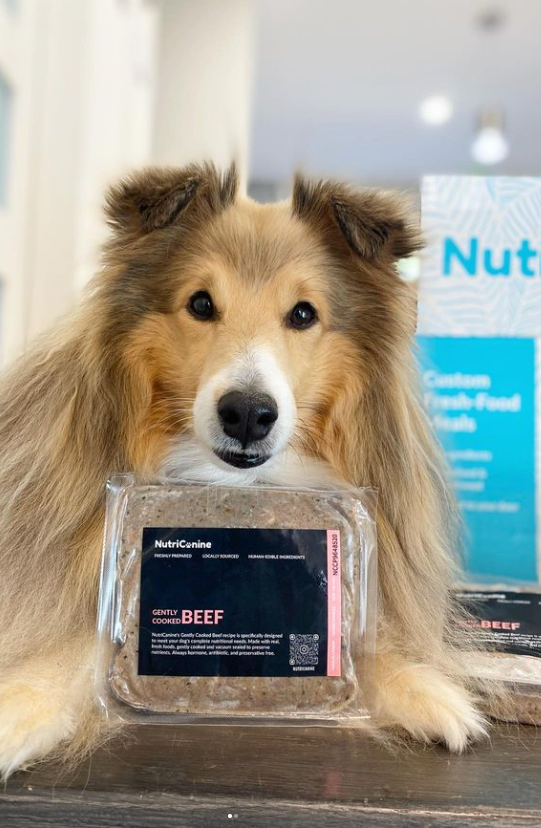
“I have three pups, all picky eaters, and they devoured their meals! I’m so happy to have found a quick, easy and super healthy food.”
 Verified Purchase
Top 10 Natural Sources of Omega-3s for Dogs
Omega-3 fatty acids are among the most important nutrients in a dog’s diet. From supporting heart health and reducing inflammation to nourishing skin, coat, and cognitive function, these essential fats play a powerful role in keeping dogs healthy at every life stage. Yet, despite their importance, many dogs don’t get enough omega-3s through their daily meals — especially dogs eating highly processed kibble, which often lacks fresh, biologically available fats.

What Are Omega-3 Fatty Acids?
Omega-3 fatty acids are essential polyunsaturated fats that the body cannot produce on its own. Dogs must get them through food or supplements. They play a role in almost every major system in the body — cellular health, immune function, inflammation response, cognitive performance, joint mobility, and more.
There are three primary omega-3s relevant to canine nutrition:
ALA (Alpha-Linolenic Acid)
-
Found mainly in plant-based sources such as flaxseed and chia.
-
Dogs convert ALA into more usable forms (EPA and DHA), but the conversion rate is very low — which is why marine-based sources are significantly more effective.
EPA (Eicosapentaenoic Acid)
-
A potent anti-inflammatory omega-3.
-
Supports skin health, kidney function, heart function, and joint comfort.
-
Found primarily in fish, marine algae, and certain shellfish.
DHA (Docosahexaenoic Acid)
-
Essential for brain development and cognitive health.
-
Important for puppies, senior dogs, and dogs with neurological or cognitive concerns.
-
Found in fish, marine algae, and eggs enriched with DHA.
While all omega-3s offer benefits, EPA and DHA — the marine-based forms — are the most impactful and most readily used by a dog’s body.

Why Omega-3s Are So Important for Dogs
Omega-3 fatty acids play a vital role in nearly every major physiological system in a dog’s body. They aren’t just “nice to have”—they are essential nutrients that support long-term health, disease prevention, and day-to-day comfort. Because dogs cannot produce omega-3s on their own, they must rely entirely on diet or supplementation to meet their needs. When included consistently and in the right balance, omega-3s can make a transformative difference in a dog’s overall well-being.
Here are some of the most important ways omega-3s contribute to canine health:
1. Reduced Inflammation
Chronic inflammation is at the root of many common canine health issues—from seasonal allergies and itchy skin to arthritis, kidney challenges, and digestive conditions. EPA, one of the most bioavailable forms of omega-3, plays a direct role in managing the body’s inflammatory response. It helps reduce the production of pro-inflammatory compounds and increases the production of anti-inflammatory ones.
This makes omega-3s especially beneficial for dogs with:
-
Environmental or food allergies
-
Arthritis or stiffness
-
Chronic inflammatory diseases
-
Inflammatory bowel disease (IBD)
-
Autoimmune conditions
Regular omega-3 intake can help reduce flare-ups, support smoother mobility, and improve comfort levels throughout the day.
2. Healthy Skin and a Shiny Coat
One of the most visible signs of omega-3 deficiency is dry, flaky, or itchy skin. Omega-3s help reinforce the skin’s natural barrier by improving moisture retention and reducing transepidermal water loss. This leads to softer skin, fewer hot spots, and a healthier coat.
EPA and DHA also:
-
Reduce dandruff and flakiness
-
Support healthy oil production in the skin
-
Address seasonal itchiness
-
Minimize inflammation from allergies
-
Strengthen hair follicles, promoting a thicker, glossier coat
3. Improved Joint Mobility
Joint health heavily depends on inflammation control, making omega-3s particularly important for senior dogs, large breeds, and dogs with arthritis or early signs of joint discomfort. EPA and DHA help protect joint cartilage and reduce stiffness, making movement easier and less painful.
Benefits include:
Dogs struggling with chronic skin issues often show dramatic improvement after a few weeks of consistent omega-3 supplementation.
-
Reduced swelling around joints
-
Increased range of motion
-
Enhanced comfort during activity
-
Slower progression of degenerative joint disease
When paired with gentle exercise and a balanced diet, omega-3s can significantly improve mobility and quality of life for aging or active dogs.
4. Brain and Cognitive Health
DHA is especially important for brain development in puppies and cognitive maintenance in adult and senior dogs. It is a major component of brain tissue and plays a key role in supporting learning, memory, and overall neurological function.
For puppies, DHA supports:
-
Healthy brain and nervous system development
-
Learning ability
-
Behavioral development
For senior dogs, DHA helps:
-
Slow cognitive decline
-
Support memory and recognition
-
Reduce signs of canine cognitive dysfunction (the dog equivalent of dementia)
Dogs receiving adequate DHA often show improved focus, trainability, and long-term cognitive resilience.
5. Heart and Kidney Health
Omega-3s have been linked to improved cardiovascular health in dogs, particularly through their ability to reduce triglycerides and support normal blood pressure. They help maintain healthy blood vessels and improve circulation, which is important for dogs of all ages—but especially for older dogs or those with heart conditions.
For kidney health, omega-3s can:
-
Reduce protein loss in the urine
-
Support kidney filtration
-
Slow the progression of chronic kidney disease
Veterinarians often recommend omega-3 supplementation as part of a long-term management plan for dogs with heart or kidney concerns.
6. Immune Support
A well-regulated immune system is essential for preventing illness, responding appropriately to pathogens, and controlling inflammation. Omega-3s help the immune system strike the right balance—they reduce excessive inflammation without suppressing the body’s ability to defend itself.
This makes omega-3s particularly helpful for dogs with:
-
Autoimmune disorders
-
Chronic infections
-
Environmental sensitivities
By supporting a calmer, more balanced immune response, omega-3s help dogs stay healthier and more resilient year-round.
7. Digestive Health
Omega-3s support the gastrointestinal system in multiple ways. They help reduce inflammation in the gut lining, which can be especially beneficial for dogs with chronic digestive issues or food sensitivities. Healthy fats also aid in nutrient absorption, allowing dogs to get more value from the food they eat.
Omega-3s may help:
-
Improve stool quality
-
Soothe inflammatory digestive conditions
-
Support the integrity of the gut lining
For dogs with sensitive stomachs, incorporating omega-3s through fresh cooked meals can support smoother digestion and a healthier microbiome.
Let’s clear up some misconceptions about the need for omega-3s for dogs and break down the incredible benefits of these essential fatty acids.
Top 10 Best Sources of Omega-3s for Dogs
Here are the most effective and nutritious omega-3 sources you can safely include in your dog’s diet.
1. Salmon

Salmon is one of the richest and most biologically available sources of EPA and DHA. Fresh, gently cooked salmon offers highly digestible proteins and omega-3s that support skin, coat, brain health, and inflammation control.
-
Excellent for dogs with itchy skin or allergies
-
Supports cognitive development in puppies
-
Great for senior dogs with mobility issues
Pro Tip: Choose cooked or freeze-dried salmon over raw to avoid parasites.
2. Sardines

Sardines are small, low on the food chain, and less likely to contain heavy metals — which makes them one of the safest fish for dogs.
-
High in EPA and DHA
-
Naturally rich in vitamin D, calcium, and B12
-
Easy to digest and great for picky eaters
A few sardines mixed into meals each week can make a huge difference in skin and coat health.
3. Mackerel

Mackerel provides impressive levels of omega-3s and is commonly used in high-quality pet foods.
-
Powerful anti-inflammatory benefits
-
Helps reduce redness, itching, and hot spots
-
Great energy source for active dogs
Avoid king mackerel, which can contain higher mercury levels — stick to Atlantic or canned low-mercury varieties.
4. Herring

Herring is another small fish with big nutritional benefits.
-
High EPA/DHA concentration
-
Low in contaminants
-
Highly digestible protein source
Fresh, cooked, or freeze-dried herring treats provide a nutrient-dense boost.
5. Anchovies

Anchovies are small but mighty. Loaded with omega-3s, they are an excellent whole-food topper for any dog’s meal.
-
Low mercury risk
-
Easily digestible
-
Packed with EPA and DHA
They’re often available dried or freeze-dried — making them a convenient treat.
6. Marine Algae Oil

Marine algae oil is one of the best vegan sources of EPA and DHA. It’s ideal for dogs with fish allergies or households that prefer a plant-based omega-3 supplement.
-
Clean, sustainable source
-
Direct DHA benefits for brain and eye health
-
Great for puppies, seniors, and pregnant dogs
Unlike flax or chia, algae oil contains preformed DHA that dogs can use immediately.
7. Fish Oil Supplements

Fish oil remains one of the most popular omega-3 sources for dogs — typically from salmon, anchovy, sardine, or pollock.
-
High concentrations of EPA and DHA
-
Easy to drizzle onto meals
-
Beneficial for joint and skin health
8. Krill Oil

Krill oil has a unique advantage: its omega-3s are bound to phospholipids, which may make them easier to absorb.
-
Contains EPA, DHA, and astaxanthin (a powerful antioxidant)
-
Supports brain function and reduces inflammation
-
Smaller dosage needed compared to fish oil
Great for dogs needing a concentrated omega-3 supplement.
9. Flaxseed

Flaxseed is rich in ALA, a plant-based omega-3 that offers some benefits — though dogs convert only a small amount into EPA or DHA.
Still, flaxseed can be useful for:
-
Skin health
-
Additional fiber
Best used as a complementary source, not a primary omega-3 source.
10. Chia Seeds

Like flax, chia seeds are high in ALA and provide valuable fiber and antioxidants.
-
Hydrating and supportive for digestion
-
Good for sensitive stomachs
-
Anti-inflammatory benefits
Again, best used alongside a marine-based omega-3 source.
Choosing the Best Omega-3 Source for Your Dog
For allergies:
Marine algae oil or salmon oil (if not allergic to fish).
For puppies:
DHA-rich options like salmon, sardines, or algae oil.
For seniors:
EPA-heavy sources such as mackerel, sardines, or fish oil.
For sensitive stomachs:
Gently cooked salmon, sardines, or algae oil.
For picky eaters:
Fresh salmon, sardines, or krill oil often have naturally enticing aromas.
Expert Recommendations From a Canine Nutritionist
“Every dog has unique needs,” Andrea explains. “Omega-3s play a critical role in reducing inflammation, improving skin health, and supporting digestion — but the right source and amount can vary based on your dog’s age, breed, and health history.”
Andrea recommends evaluating the quality and bioavailability of omega-3s in your dog’s food rather than relying solely on supplements.
“Start by checking the ingredient list,” she advises. “Fresh, whole-food ingredients — like salmon, sardines, and algae oil — offer better absorption and more consistent benefits than many heavily processed foods.”
Omega-3s are especially important for dogs dealing with allergies, gastrointestinal issues, or chronic inflammation.
“For dogs prone to itchy skin or digestive discomfort, fresh cooked foods are more digestible and reduce the risk of irritation in the gut,” she notes. “Marine-based omega-3s, like those from salmon or algae, can make a noticeable difference in just a few weeks.”
Andrea holds a master’s degree in veterinary nutrition and toxicology from the University of Saskatchewan. As Director of Nutrition at NutriCanine, she combines her academic expertise and lifelong passion for animal health to develop science-backed, personalized meal plans that promote the well-being of dogs.
NutriCanine’s New Salmon Recipe (Coming Soon!)
At NutriCanine, we believe that fresh, highly digestible ingredients form the foundation of a healthy life for dogs — and omega-3s play a major role in that philosophy.
That’s why we’re excited to announce our new Salmon Recipe, coming soon to our lineup of fresh cooked meals.
What makes this recipe special?
-
Made with premium, human-grade salmon, naturally rich in EPA and DHA
-
Supports dogs with itchy skin, allergies, and digestive sensitivities
-
Includes gently cooked whole-food ingredients for maximum nutrient absorption
-
Carefully formulated by our Director of Nutrition to ensure optimal balance of omega-3s
-
Designed for dogs who benefit from higher omega-3 intake, including seniors, puppies, and dogs with inflammatory conditions
This recipe is perfect for pet parents seeking a fresh cooked meal that provides powerful omega-3 benefits without the need for additional supplements.
Stay tuned — your dog’s new favourite meal is almost here.

Final Thoughts
Omega-3 fatty acids are essential for your dog’s overall health — from skin and coat to joints, cognition, and digestion. While plant-based sources like flax and chia offer some benefits, the most impactful omega-3s come from marine sources such as salmon, sardines, anchovies, and marine algae oil.
By choosing fresh, whole-food omega-3 sources and ensuring your dog’s diet is tailored to their individual needs, you can help support a longer, healthier, and happier life.
Whether you’re boosting your dog’s current meals or looking for a complete, balanced diet rich in omega-3s, NutriCanine’s personalized fresh cooked recipes — including our upcoming Salmon Recipe — make it easier than ever to nourish your dog from the inside out.