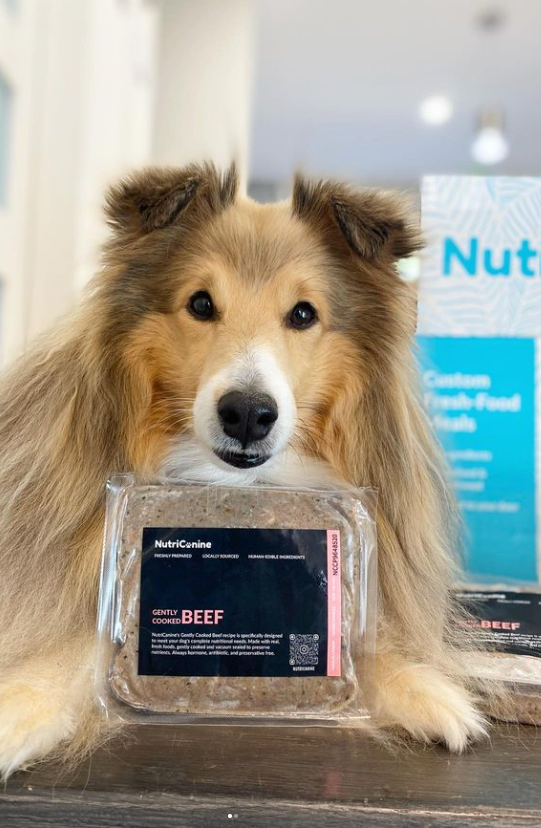
“I have three pups, all picky eaters, and they devoured their meals! I’m so happy to have found a quick, easy and super healthy food.”
 Verified Purchase
Prebiotics, Probiotics and Postbiotics: Natural Ways to Support Your Dog’s Digestive Health
Discover how probiotics, prebiotics, and postbiotics support your dog’s digestion, immunity, and overall health. Learn the benefits of each, signs your dog may need gut support, and how to choose the best supplement for optimal canine wellness.
A healthy gut is one of the most important foundations of your dog’s overall well-being. From digestion and nutrient absorption to immune function and skin health, so much of your dog’s vitality begins in the microbiome—the community of beneficial bacteria that lives in the digestive tract. Probiotics, prebiotics, and postbiotics each play a unique role in supporting gut balance, and together, they can help improve digestion, reduce inflammation, and strengthen immunity. This guide breaks down what they are, how they work, and how to choose the right gut-supporting supplement for your dog.

Prebiotics vs. Probiotics vs. Postbiotics
When it comes to supporting your dog’s gut health, prebiotics, probiotics, and postbiotics each play a unique but complementary role. Probiotics are live beneficial bacteria that help populate the digestive tract with healthy microbes, improving digestion and immune function. Prebiotics, on the other hand, are non-digestible fibers that act as food for these good bacteria, helping them thrive and maintain a balanced microbiome. Postbiotics are the beneficial byproducts that probiotics produce during fermentation, such as enzymes and fatty acids, which support digestion and immune health even without live bacteria. Together, these three components create a synergistic effect, promoting optimal gut health, nutrient absorption, and overall wellness for your dog. The world of GI biotics is vast and variable, let’s delve into it a little further:
What Are Probiotics for Dogs?
Probiotics are live, beneficial bacteria that naturally reside in your dog’s digestive system. They play a crucial role in maintaining a healthy gut microbiome, which is essential for digestion, nutrient absorption, and overall immune function. Dogs can lose these beneficial bacteria due to stress, illness, antibiotic treatment, sudden changes in diet, or food sensitivities, which can lead to digestive disturbances, weakened immunity, and even skin or coat issues. Probiotics help restore the balance of good bacteria in the gut, promoting overall wellness.
How Probiotics Work
Probiotics support your dog’s digestive system in multiple important ways, helping maintain a balanced and healthy gut microbiome:
-
Colonization: Probiotics introduce live beneficial bacteria that settle in the gut, creating a protective environment. By occupying space and consuming available nutrients, these “good” bacteria crowd out harmful microbes, preventing them from overgrowing and causing digestive upset or illness.
-
Digestion Support: Probiotics assist in breaking down proteins, fats, and carbohydrates, making nutrients easier for your dog to absorb. This enhanced nutrient absorption not only improves energy levels and overall health but also supports healthy growth, muscle maintenance, and organ function.
-
Stool Regulation: Regular use of probiotics helps maintain consistent bowel movements. They can reduce both diarrhea and constipation by supporting proper gut motility and balancing water absorption in the intestines. Dogs with chronic digestive issues or sensitive stomachs often experience noticeable improvement in stool quality when probiotics are included in their diet.
-
Anti-Inflammatory Effects: Certain probiotic strains produce compounds that reduce inflammation in the gut. This is particularly beneficial for dogs with inflammatory conditions, food sensitivities, or chronic digestive issues. Reduced inflammation can also decrease discomfort, gas, and bloating, improving overall digestive comfort.
By promoting a balanced gut microbiome, probiotics can influence your dog’s overall health and well-being. A healthy gut is closely linked to a stronger immune system, better energy levels, and even behavior, as the gut and brain communicate through the gut-brain axis. Dogs with a thriving gut microbiome often have a shiny, healthy coat, reduced allergy flare-ups, and improved resilience against digestive stress.
Benefits of Probiotics
Including probiotics in your dog’s diet offers a wide range of digestive, immune, and overall health benefits. These beneficial bacteria work to restore balance in the gut and support multiple aspects of your dog’s well-being:
-
Supports Immune Health: A significant portion of a dog’s immune system is located in the gut. Probiotics strengthen natural defenses by promoting a healthy gut microbiome, which helps your dog fight off infections, pathogens, and other immune challenges. A balanced gut can also reduce inflammation that contributes to chronic health issues.
-
Improves Digestive Function: Probiotics help regulate digestion, reducing gas, bloating, and irregular bowel movements. Dogs with sensitive stomachs, food intolerances, or chronic digestive problems often experience improved stool consistency, fewer digestive upsets, and better nutrient absorption when probiotics are included in their diet.
-
Restores Gut Balance After Antibiotics: While antibiotics are essential for fighting infections, they can indiscriminately kill both harmful and beneficial gut bacteria. Probiotics help replenish the microbiome after antibiotic use, supporting faster recovery, improved digestion, and reduced susceptibility to gastrointestinal upset.
-
Assists Dogs with Allergies or Sensitivities: Dogs with food sensitivities, environmental allergies, or inflammatory conditions often have an imbalanced gut microbiome. Probiotics help reduce inflammation in the digestive tract, ease digestive stress, and support healthy immune responses, which may indirectly lessen allergy flare-ups.
-
Supports Mental Well-Being: Emerging research highlights the connection between gut health and the brain, known as the gut-brain axis. A balanced microbiome can influence stress levels, anxiety, and overall mood in dogs. Probiotics may help support calm behavior, reduce stress-related digestive issues, and contribute to overall emotional well-being.
Natural Sources
Some natural foods, such as plain kefir and unsweetened yogurt, do contain probiotics and can provide mild digestive support for dogs. While these foods can be a helpful addition to your dog’s diet, they often fall short of delivering consistent, targeted benefits. The probiotic strains in yogurt or kefir are typically designed for human digestion and may not survive a dog’s digestive tract, meaning fewer beneficial bacteria actually reach the gut where they’re needed most.
Dog-specific probiotic supplements, on the other hand, are formulated with strains that are scientifically selected for canine digestive systems. These strains are more resilient, able to survive stomach acid, and actively colonize the gut, providing maximum digestive support and immune benefits. Additionally, supplements provide precise dosing, ensuring your dog receives the optimal number of colony-forming units (CFUs) for their size, age, and health condition—something impossible to control with dairy-based foods.
Other advantages of dog-specific probiotics include:
-
Targeted gut support: Strains are chosen to help with common canine issues such as diarrhea, gas, bloating, allergies, or stress-related digestive upset
-
Consistency: Unlike yogurt or kefir, which can vary in bacterial content from batch to batch, supplements provide reliable levels of probiotics every time.
-
No unnecessary ingredients: Dog-specific formulations are free of sugars, lactose, and other additives that may irritate your dog’s stomach.
-
Convenience: Supplements come in easy-to-administer forms, such as powders, capsules, or chews, making them ideal for dogs who may not eat fermented foods.

What Are Prebiotics for Dogs?
Prebiotics are a special type of dietary fiber that acts as nourishment for the beneficial bacteria already living in your dog’s gut. Think of them as fertilizer for the microbiome—without prebiotics, even the healthiest gut bacteria may struggle to thrive. Unlike probiotics, which introduce new beneficial bacteria into the digestive system, prebiotics work by feeding the bacteria that are already present, helping them multiply and maintain a balanced gut ecosystem.
When your dog’s gut microbiome is well-supported by prebiotics, the beneficial bacteria produce compounds such as short-chain fatty acids, which help maintain a healthy gut lining, reduce inflammation, and improve nutrient absorption. This not only promotes smooth digestion but also strengthens your dog’s immune system, as a significant portion of immunity resides in the gut.
Prebiotics are especially important for dogs that may have sensitive stomachs, food intolerances, or digestive issues. By promoting the growth of healthy bacteria, prebiotics help regulate bowel movements, improve stool quality, and create an optimal environment for probiotics and postbiotics to work effectively.
How Prebiotics Work
Prebiotics are a type of fiber that resist digestion in the upper parts of the digestive system, including the stomach and small intestine. Instead of being broken down and absorbed like other nutrients, they pass intact into the colon, where they become a vital food source for the beneficial bacteria living in your dog’s gut.
Once in the colon, these good bacteria ferment the prebiotics, breaking them down into short-chain fatty acids (SCFAs) such as butyrate, acetate, and propionate. These SCFAs serve multiple purposes: they help strengthen the intestinal lining, reduce gut inflammation, regulate pH to discourage harmful bacteria, and provide energy for colon cells.
This fermentation process not only supports the growth and activity of healthy bacteria, but it also creates a more balanced microbiome overall. A thriving population of beneficial bacteria can outcompete harmful microbes, reduce gas and bloating, improve stool quality, and enhance nutrient absorption. By feeding your dog’s gut microbiome, prebiotics essentially act as the foundation for a healthy digestive system, amplifying the effects of probiotics and postbiotics.
Benefits of Prebiotics
Prebiotics provide a wide range of digestive and overall health benefits for dogs by supporting the growth of beneficial gut bacteria and maintaining a balanced microbiome. Here’s a closer look at the key advantages:
-
Improve Stool Quality: By promoting healthy gut bacteria, prebiotics help regulate stool consistency. Dogs with irregular, loose, or overly firm stools often experience noticeable improvement when prebiotics are included in their diet. Consistent, well-formed stools are a sign of a healthy digestive system.
-
Support Regular Bowel Movements: Prebiotics increase the activity of beneficial bacteria that aid in proper digestion. This helps maintain regular bowel movements, preventing constipation or irregular elimination that can lead to discomfort or digestive stress.
-
Enhance Digestion and Nutrient Absorption: A healthy gut microbiome, nourished by prebiotics, improves the breakdown and absorption of essential nutrients such as proteins, fats, vitamins, and minerals. This ensures your dog gets the maximum benefit from the food they eat and helps support overall health and vitality.
-
Promote a Balanced Microbiome: Prebiotics serve as food for beneficial bacteria, helping them thrive and maintain a balanced gut environment. A well-balanced microbiome helps prevent the overgrowth of harmful bacteria, reduces inflammation, and supports immune system function.
-
Reduce Gas and Bloating: By supporting healthy bacterial fermentation in the gut, prebiotics can help reduce the production of gas from harmful bacteria. This leads to less bloating, discomfort, and digestive upset, making your dog more comfortable and less prone to digestive issues.
Natural Sources
Prebiotics occur naturally in many dog-safe foods, particularly those high in dietary fiber. Including these ingredients in your dog’s diet can help nourish beneficial gut bacteria and support a balanced microbiome. Some of the most effective natural sources include:
-
Pumpkin: Rich in soluble fiber, pumpkin not only supports digestion but also helps regulate stool consistency. It’s gentle on sensitive stomachs and widely recommended for dogs with digestive issues.
-
Sweet Potato: This nutrient-dense root vegetable contains prebiotic fibers that feed healthy gut bacteria, while also providing vitamins and antioxidants that support overall health.
-
Chicory Root: A concentrated source of inulin, a type of soluble fiber, chicory root promotes the growth of beneficial bacteria and improves mineral absorption, particularly calcium and magnesium.
-
Inulin: Often extracted from plants like chicory root, inulin is a highly effective prebiotic fiber that enhances gut microbiome activity and supports regular digestion.
-
Oats: Containing beta-glucans, oats provide both prebiotic benefits and a slow-digesting carbohydrate source that supports steady energy levels while feeding healthy gut bacteria.
-
Certain Fruits and Vegetables: Dog-safe fruits such as apples (without seeds) and blueberries, as well as vegetables like carrots and asparagus, provide additional prebiotic fibers and antioxidants to support gut and overall health.
By incorporating these natural prebiotic sources into your dog’s meals or snacks, you can help nourish beneficial bacteria, improve digestion, and promote a healthy gut environment. For dogs that need consistent and targeted support, high-quality prebiotic supplements can ensure the gut microbiome receives adequate nourishment every day.

What Are Postbiotics for Dogs?
Postbiotics are the health-promoting compounds produced by probiotics during the fermentation process in the gut. Unlike probiotics, postbiotics are not live bacteria; instead, they are the beneficial byproducts—such as enzymes, peptides, short-chain fatty acids, vitamins, and other bioactive molecules—that provide direct support to your dog’s digestive and immune systems.
Postbiotics play a crucial role in gut health because they can deliver many of the same benefits as probiotics without relying on live bacteria to survive the acidic environment of the stomach. This makes them a stable and effective option for maintaining digestive balance, even in dogs with sensitive stomachs or compromised microbiomes.
These compounds help strengthen the intestinal lining, reduce inflammation, and create an environment that encourages healthy bacteria to thrive. They also support immune function by enhancing the gut’s natural defenses against harmful pathogens. Additionally, some postbiotics have antioxidant properties that help combat oxidative stress, which is linked to aging and chronic health issues in dogs.
Because postbiotics are the “active results” of probiotic activity, they can complement both probiotics and prebiotics, working synergistically to improve digestion, nutrient absorption, and overall well-being. Including postbiotic-rich supplements or foods in your dog’s diet can provide consistent, reliable gut health support—even in cases where live probiotics may not survive.
How Postbiotics Work
Postbiotics are the bioactive compounds produced by probiotics that deliver powerful health benefits without relying on live bacteria. They work in several key ways to support your dog’s digestive and overall health:
-
Reduce Inflammation: Postbiotics contain compounds like short-chain fatty acids and peptides that help calm inflammation in the gut. This is particularly beneficial for dogs with sensitive stomachs, food intolerances, or chronic digestive issues, as it can reduce discomfort, gas, and bloating.
-
Support the Gut Lining: Postbiotics strengthen the intestinal barrier, which prevents harmful bacteria and toxins from entering the bloodstream. A robust gut lining also improves nutrient absorption, supporting overall health and energy levels.
-
Enhance Immune Function: Many postbiotic compounds interact directly with the immune system, helping your dog fight off infections and maintain a balanced immune response. A healthy gut microbiome, supported by postbiotics, is a cornerstone of long-term immune resilience.
-
Stable and Reliable: Unlike probiotics, which contain live bacteria that can be sensitive to heat, moisture, or stomach acid, postbiotics are highly stable. They do not require refrigeration and remain effective even when included in cooked, processed, or shelf-stable foods. This stability ensures that your dog receives consistent digestive and immune support every time.
By reducing gut inflammation, protecting the intestinal lining, and enhancing immune defense, postbiotics provide a consistent and reliable way to support your dog’s gut health, even in situations where live probiotics may not survive or thrive. When combined with probiotics and prebiotics, postbiotics create a synergistic effect that promotes optimal digestion, immunity, and overall well-being.
Benefits of Postbiotics
Postbiotics provide a unique set of benefits for dogs by delivering the active compounds produced by probiotics, without requiring live bacteria to survive. These benefits extend beyond digestion to overall immune support and well-being:
-
Support Sensitive Digestion: Postbiotics can be especially helpful for dogs with sensitive stomachs, chronic digestive issues, or food intolerances. By reducing gut irritation and promoting a balanced microbiome, they help dogs tolerate a wider range of foods while improving overall digestive comfort.
-
Reduce Inflammation in the Gut: Postbiotics contain bioactive compounds, including short-chain fatty acids and peptides, that help calm inflammation in the intestines. This can ease discomfort, reduce bloating and gas, and support recovery from digestive upset or inflammatory digestive conditions.
-
Improve Immune System Response: A healthy gut is a cornerstone of a strong immune system. Postbiotics interact with immune cells in the gut, helping to regulate immune responses and enhance your dog’s natural defenses against infections and harmful bacteria.
-
May Help Manage Allergies and Skin Issues: Gut health is closely linked to skin health and allergic responses. By reducing gut inflammation and supporting a balanced microbiome, postbiotics may help alleviate symptoms of food allergies, environmental sensitivities, or skin flare-ups.
-
Consistent and Reliable, Even Without Live Bacteria: Unlike probiotics, which are live organisms that can be affected by heat, moisture, or stomach acid, postbiotics are stable and retain their effectiveness regardless of storage or preparation. This makes them a dependable option for long-term gut health support, even in cooked foods, processed diets, or shelf-stable supplements.
Sources of Postbiotics
Postbiotics are naturally produced by probiotics during fermentation, so one way to increase postbiotic levels is by supporting probiotic activity in the gut. While some postbiotics are present in fermented foods like kefir, yogurt, and certain fermented vegetables, relying on these foods alone may not provide consistent or targeted support for your dog’s digestive and immune health.
Postbiotic supplements are specifically formulated to deliver concentrated, stable bioactive compounds directly to your dog’s gut. These supplements contain the enzymes, peptides, fatty acids, and other beneficial byproducts produced by probiotics, ensuring that your dog receives consistent and effective gut support, even if live bacteria may not survive digestion or storage.
Advantages of postbiotic supplements include:
-
Targeted support: Designed to deliver compounds that support digestion, reduce inflammation, and enhance immunity.
-
Stability: Unlike live probiotics, postbiotics in supplements remain effective even after cooking, processing, or exposure to heat and moisture.
-
Consistency: Supplements provide reliable, measurable doses of bioactive compounds, ensuring your dog benefits every day.
-
Convenience: Available in powders, capsules, or chews, postbiotic supplements are easy to add to your dog’s meals or snacks.
What postbiotics really are, how they differ from prebiotics and probiotics, and whether supplementing with postbiotics is actually beneficial.
Which to Choose: Probiotics, Prebiotics or Postbiotics
When it comes to supporting your dog’s gut health, it’s important to understand that probiotics, prebiotics, and postbiotics each play distinct but complementary roles:
-
Probiotics: These are live beneficial bacteria that introduce healthy microbes into your dog’s gut. They help restore balance in the microbiome, support digestion, regulate bowel movements, and strengthen the immune system.
-
Prebiotics: These are non-digestible fibers that serve as food for the good bacteria already living in your dog’s digestive tract. Prebiotics encourage the growth and activity of probiotics, helping maintain a balanced microbiome and supporting nutrient absorption.
-
Postbiotics: These are the bioactive compounds produced by probiotics during fermentation, such as short-chain fatty acids, enzymes, and peptides. Postbiotics provide direct health benefits, reducing gut inflammation, supporting the intestinal lining, and enhancing immune function—even in the absence of live bacteria
Why Using All Three Together Is Best
While each of these components offers unique benefits on its own, the most effective approach to gut health is using all three together. This combination creates a synergistic effect that maximizes digestive, immune, and overall wellness:
-
Enhanced Gut Balance: Probiotics populate the gut with beneficial bacteria, prebiotics feed these bacteria, and postbiotics deliver the active compounds that improve gut function. Together, they help maintain a robust and stable microbiome.
-
Comprehensive Digestive Support: Probiotics improve nutrient absorption and regulate stools, prebiotics enhance bacterial activity, and postbiotics reduce inflammation and strengthen the gut lining. This trio addresses digestion from multiple angles.
-
Stronger Immune Function: A balanced gut microbiome supported by all three components helps your dog fight infections, manage allergies, and maintain overall resilience.
-
Reliable and Consistent Results: While probiotics can sometimes be sensitive to heat or stomach acid, prebiotics and postbiotics provide additional layers of support, ensuring your dog benefits even when live bacteria face challenges.
Signs Your Dog May Need Gut-Supporting Supplements
Your dog’s gut health is a key indicator of overall wellness, and digestive issues can often signal that their microbiome needs extra support. Supplementing with probiotics, prebiotics, or postbiotics can help restore balance and promote optimal digestive and immune function. Here are common signs that your dog may benefit from gut-supporting supplements:
-
Chronic or Intermittent Diarrhea: Frequent loose stools or diarrhea can indicate an imbalance in gut bacteria. Probiotics help restore healthy microbes, while prebiotics feed them, and postbiotics reduce inflammation to improve stool consistency.
-
Loose Stools or Irregular Bowel Movements: Irregular elimination or soft stools may suggest a sensitive gut. Regular supplementation can promote consistent, well-formed stools and reduce discomfort.
-
Gas, Bloating, or Digestive Discomfort: Excessive gas, abdominal swelling, or tummy discomfort are often signs of dysbiosis (gut imbalance). Gut-supporting supplements help improve digestion and reduce digestive stress.
-
Frequent Itching or Allergy Symptoms:Skin and coat health are closely linked to gut health. Dogs with allergies, itchy skin, or recurrent flare-ups may benefit from a balanced microbiome supported by probiotics, prebiotics, and postbiotics.
-
Poor Coat or Skin Health: A dull, flaky, or unhealthy coat can be a sign of nutrient malabsorption or gut inflammation. Supporting gut bacteria can improve nutrient uptake, which often translates to a healthier, shinier coat.
-
Sensitive Stomach: Dogs that vomit easily, gag, or have trouble tolerating certain foods may have a sensitive digestive system. Gut-supporting supplements help strengthen the gut lining and improve tolerance to new foods.
-
Recurring Infections or Low Immunity: Since a large portion of the immune system resides in the gut, a recurring pattern of infections or slow recovery may indicate an imbalanced microbiome. Supporting gut health strengthens natural defenses.
-
Stress-Related Tummy Issues: Changes in environment, travel, or anxiety can trigger digestive upset in dogs. Probiotics and postbiotics can help regulate the gut-brain axis, reducing stress-related digestive symptoms.

How to Choose the Right Gut-Health Supplement
With so many digestive supplements on the market, it can be overwhelming to know which probiotic, prebiotic, or postbiotic is best for your dog. Here are key factors to consider when choosing a gut-health product:
-
Dog-Specific Probiotic Strains: Look for supplements formulated specifically for dogs, as canine probiotics are designed to survive the unique environment of the dog’s digestive tract. Human probiotics, such as those found in yogurt or kefir, may not be effective for dogs.
-
Clear CFU Count: CFU, or colony-forming units, indicates the number of live probiotic bacteria in the product. For effective gut support, most adult dogs benefit from supplements containing at least 1–5 billion CFU per serving, while dogs with digestive sensitivities or specific gut issues may require higher levels, such as 4–10 billion CFU per day. Always check that the label specifies the CFU count at the time of expiration, not just at the time of manufacture.
-
High-Quality Fiber Sources (Prebiotics): Prebiotics feed the beneficial bacteria in your dog’s gut. Look for supplements containing natural, dog-safe fibers such as pumpkin, chicory root, inulin, or oats, rather than synthetic or low-quality fillers.
-
Clinically Tested Postbiotic Ingredients: If the product contains postbiotics, ensure that the active compounds—such as short-chain fatty acids, peptides, or enzymes—have been scientifically studied for gut and immune benefits.
-
Transparent Ingredient Lists: A trustworthy supplement will list all ingredients clearly, without hidden additives, sugars, or artificial preservatives that may irritate your dog’s digestive system.
-
High Manufacturing Standards: Choose products from reputable manufacturers that follow strict quality controls and safety standards. Supplements that are third-party tested or made in facilities with GMP (Good Manufacturing Practices) certification are generally more reliable.
Coming Soon!
NutriCanine Tummy Tonic: Complete Gut Health Support for Your Dog
NutriCanine Tummy Tonic is a daily digestive health supplement specifically formulated to support your dog’s gastrointestinal function naturally and effectively. This all-in-one powder combines the synergistic power of probiotics, prebiotics, postbiotics, and digestive enzymes, providing comprehensive gut support for both sensitive and healthy dogs.
Each scoop delivers over 4 billion CFU of multi-strain probiotics, carefully selected for dogs to promote a balanced microbiome and support healthy digestion. These beneficial bacteria help regulate bowel movements, reduce gas and bloating, and crowd out harmful microbes, aligning with the article’s emphasis on probiotics’ digestive and immune benefits.
The formula also includes prebiotics from pumpkin and chicory root, which feed the beneficial bacteria already present in the gut. By nourishing these microbes, prebiotics enhance nutrient absorption, improve stool quality, and maintain a balanced microbiome, reflecting the article’s points about the essential role of prebiotics in gut health.
Postbiotics in Tummy Tonic provide bioactive compounds that support the intestinal barrier, reduce gut inflammation, and strengthen immunity—offering stable, reliable gut support even if live bacteria encounter challenges in the digestive tract. Additionally, digestive enzymes help break down proteins, fats, and carbohydrates, maximizing nutrient uptake and overall digestive efficiency.
To further support sensitive digestion, the formula contains natural anti-inflammatory ingredients like ginger root, which soothe the gastrointestinal tract and alleviate occasional digestive discomfort, such as bloating or irregular stools.
Safe for daily use in all dogs, NutriCanine Tummy Tonic offers a convenient, science-backed solution to promote optimal digestion, gut resilience, and overall wellness. By combining probiotics, prebiotics, postbiotics, and enzymes in a single, easy-to-mix formula, it embodies the article’s message: the most effective gut health strategy is a synergistic approach that supports digestion, immunity, and long-term well-being from the inside out.

Conclusion
Probiotics, prebiotics, and postbiotics each play a powerful role in supporting your dog’s digestive health, immune system, and overall well-being. When used together, they help create a balanced gut environment that supports nutrient absorption, reduces inflammation, and promotes long-term wellness. Whether your dog struggles with digestive issues or you simply want to support their health proactively, adding these gut-friendly ingredients can make a significant difference.