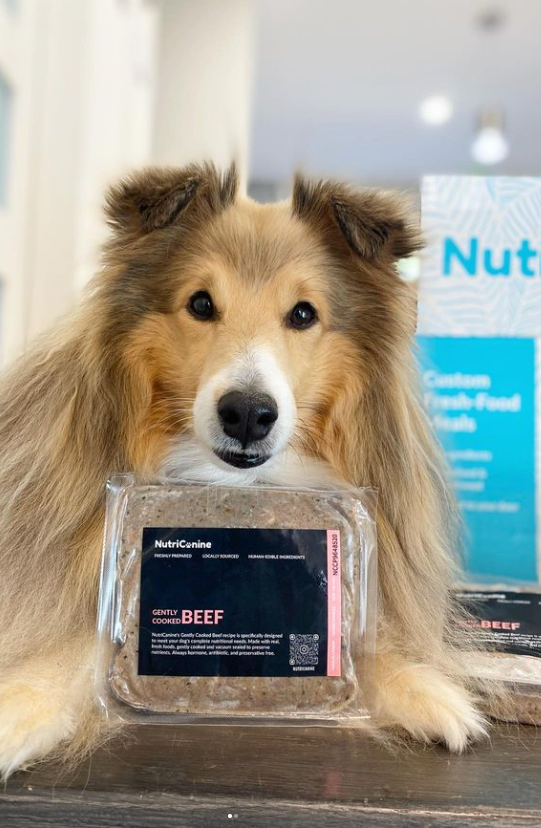
“I have three pups, all picky eaters, and they devoured their meals! I’m so happy to have found a quick, easy and super healthy food.”
 Verified Purchase
Specialized Dog Diets Explained: When to Use Prescription or Therapeutic Dog Food
What Is Prescription or Therapeutic Dog Food?
Prescription dog food, also known as veterinary or therapeutic diets, is specially formulated to manage medical conditions in dogs. These diets differ from regular commercial dog food because they are carefully balanced with precise levels of nutrients, vitamins, and minerals to support specific health issues such as kidney disease, food allergies, urinary problems, or digestive disorders.
Many dog owners ask, “Does my dog need prescription dog food?” The answer isn’t always straightforward—it depends on your dog’s individual health, the severity of their condition, and a veterinarian’s professional recommendation. It’s important to note that even if your dog has a medical issue, they may not always require a prescription diet. In some cases, high-quality fresh food or a tailored commercial diet can meet their nutritional needs while supporting their overall health.

What Makes Prescription or Therapeutic Dog Food Different From Regular Dog Food?
Prescription diets are carefully formulated with precise nutrient levels to address specific health needs in dogs. Unlike standard commercial dog foods, these diets are designed to either restrict or supplement certain nutrients, helping manage medical conditions and improve overall health. For example, a renal diet may limit phosphorus and protein to reduce the workload on the kidneys, while a low-fat diet supports dogs with pancreatitis by preventing inflammation and digestive upset.
Common Prescription Dog Diet Types
-
Renal diets: Specifically designed to support kidney health by controlling protein, phosphorus, and sodium levels, helping dogs with chronic kidney disease maintain proper organ function.
-
Hydrolyzed protein diets: Ideal for dogs with food allergies or sensitivities, these diets break down proteins into smaller components that are less likely to trigger an immune response.
-
Low-fat diets: Help dogs with pancreatitis or other digestive issues by reducing fat intake, which can prevent painful flare-ups and support gastrointestinal health.
-
Urinary support diets: Formulated to reduce the risk of bladder stones and urinary tract issues by balancing minerals like magnesium, calcium, and phosphorus and controlling urine pH.
-
Gastrointestinal diets: Designed for dogs with sensitive stomachs, these diets are easy to digest and often include high-quality proteins, prebiotics, and fiber to support healthy digestion.
-
Weight management diets: Help overweight dogs achieve and maintain a healthy body weight through controlled calorie content and balanced nutrition, reducing the risk of obesity-related health problems.
Dr. Ruth Roberts explains the symptoms, causes, and best dietary treatments for pancreatitis in dogs.
Signs Your Dog May Need a Prescription or Therapeutic Diet
Determining whether your dog needs a prescription diet often starts with observing their health and behavior. While some signs may indicate a mild issue that can be managed with regular high-quality food, others may signal a medical condition that requires a specialized diet.
Symptoms to Watch For
-
Chronic vomiting or diarrhea: Frequent digestive upset can indicate gastrointestinal issues, pancreatitis, or food intolerances that may benefit from a controlled prescription diet.
-
Excessive itching or skin issues: Persistent scratching, hot spots, or flaky skin may suggest food allergies or sensitivities that can be managed with hydrolyzed or limited-ingredient diets.
-
Frequent urinary tract infections (UTIs): Recurring UTIs or difficulty urinating can signal urinary tract problems, which prescription urinary support diets can help prevent.
-
Sudden weight loss or gain: Unexpected changes in weight may point to underlying conditions such as diabetes, thyroid issues, or digestive disorders that require careful dietary management.
-
Lethargy or poor energy: Persistent fatigue or low activity levels can be a sign of metabolic or organ-related issues, such as liver or kidney disease, that may benefit from specialized nutrition.
-
Dull coat or hair loss: Poor coat quality, hair thinning, or shedding beyond normal levels can indicate nutritional deficiencies or allergies that a prescription diet may help address.

Medical Conditions That Require Specialized Diets
Certain medical conditions almost always benefit from prescription diets, as they involve nutrient restrictions or targeted supplementation:
-
Kidney disease: Requires diets low in phosphorus and protein to reduce kidney stress and maintain function.
-
Diabetes: Diets with controlled carbohydrate levels help regulate blood sugar.
-
Liver disease: Specialized nutrients and protein management support liver function.
-
Heart conditions: Sodium-restricted diets can help manage blood pressure and fluid retention.
-
Chronic pancreatitis: Low-fat diets reduce the risk of painful flare-ups.
-
Allergies or food sensitivities: Hydrolyzed or limited-ingredient diets prevent adverse immune reactions and improve skin and digestive health.
When Prescription or Therapeutic Food Is Essential
Prescription diets are crucial when nutrient restriction or supplementation is part of disease management. For instance:
-
Kidney disease: Controlled protein and phosphorus levels
-
Pancreatitis: Low-fat diets to prevent flare-ups
-
Bladder stones: Diets designed to dissolve or prevent stones
-
Liver disease: Diets supporting stable protein
Attempting to manage these conditions with regular dog food can be risky without veterinary guidance.
When Your Dog Doesn’t Need Prescription or Therapeutic Food
Not every dog requires a prescription diet. Many dogs with mild health issues, lifestyle concerns, or temporary sensitivities can thrive on a high-quality fresh or commercial diet that provides balanced nutrition without strict restrictions.
Common Situations Where Prescription Diets May Not Be Necessary
-
Seasonal allergies: Dogs may experience itchy skin or minor flare-ups due to pollen, dust, or other environmental triggers. These issues can often be managed with hypoallergenic or nutrient-rich fresh foods rather than a strict prescription diet.
-
Mild digestive sensitivity: Occasional stomach upset or sensitive digestion can often improve with easily digestible proteins, high-quality carbohydrates, and added prebiotics found in fresh or specialized commercial diets.
-
Weight gain management: Overweight dogs can benefit from controlled-calorie fresh meals or commercial weight management diets that focus on portion control and nutrient balance, without the need for therapeutic prescription formulas.
-
Picky eating habits: Some dogs are simply selective eaters. Offering fresh, flavorful, and nutrient-dense meals can encourage consistent eating and proper nutrition, while prescription diets may be less appealing.
Alternative: Personalized Fresh Food Meal Plans
A personalized fresh food meal plan can support your dog’s overall wellness, including digestion, skin and coat health, energy levels, and immune function. Unlike prescription diets, these meal plans are flexible, high-quality, and designed to meet your dog’s specific life stage, breed, activity level, and health needs. For many dogs, this approach provides all the nutritional benefits they need without the strict limitations of therapeutic diets.

The Problems With Prescription or Therapeutic Dog Food
While prescription dog food can be essential for managing serious medical conditions, it’s not without its drawbacks. Many pet owners assume that these diets are always superior to commercial or fresh dog food, but there are several important considerations to keep in mind.
1. Ingredient Quality Can Be Limited
Prescription diets are formulated to meet specific medical needs, which often means certain ingredients are restricted or processed to maintain consistency and nutrient levels. However, this can sometimes come at the expense of ingredient quality. Many prescription foods rely on by-products, fillers, or highly processed ingredients rather than whole, fresh foods. While these ingredients may meet nutritional requirements on paper, they don’t always provide the same digestibility, bioavailability, or overall health benefits as high-quality proteins, fresh vegetables, and wholesome carbohydrates.
2. High Price Doesn’t Always Reflect Value
Prescription diets are often significantly more expensive than standard commercial or fresh dog food. Many pet owners assume the high price reflects superior nutrition or ingredient quality, but much of the cost goes toward research, branding, and veterinary oversight rather than higher-quality ingredients. For some dogs without serious medical needs, these diets may not offer enough added value to justify the premium price.
3. Limited Ingredient Variety
Because prescription diets are designed to address specific medical conditions, they often have a very limited ingredient profile. This can lead to reduced palatability for picky eaters and may make long-term feeding less enjoyable for dogs. Limited variety can also make it challenging to rotate proteins or flavors, which some studies suggest is beneficial for maintaining a healthy gut microbiome and preventing food sensitivities.
4. Big Brand Control and Marketing Influence
The prescription dog food market is dominated by a few large pet food companies. While these brands invest heavily in clinical research, the marketing often emphasizes the “therapeutic” aspect more than ingredient quality or freshness. As a result, dog owners may feel pressured to purchase prescription diets even when their dog could thrive on a high-quality fresh or commercial diet. It’s important to critically assess whether a prescription diet is truly necessary, rather than assuming it’s always the best choice because it’s a well-known brand.
5. Lack of Flexibility for Individual Needs
Prescription diets are formulated to meet the needs of a broad group of dogs with a specific condition, which means they aren’t always personalized. Dogs vary widely in age, breed, activity level, and sensitivities, and a “one-size-fits-all” prescription diet may not address all of these factors. Personalized fresh food or balanced commercial diets can often provide more tailored nutrition while still supporting overall health and wellness.
6. Poor Palatability
One common drawback of therapeutic diets is poor palatability. Because these foods are designed to control specific nutrients or limit certain ingredients (like protein, fat, or minerals), they often lack the flavors and aromas that appeal to dogs. This can make them difficult to feed long-term, particularly for picky eaters or dogs with reduced appetite due to illness. In contrast, high-quality commercial diets and fresh food meals typically prioritize taste and variety, encouraging consistent eating while still meeting nutritional needs.

Alternatives to Prescription Dog Food
Prescription diets aren’t the only option for supporting your dog’s health. In many cases, high-quality commercial dog food or personalized fresh food meals can meet your dog’s nutritional needs, even for mild to moderate health concerns.
1. High-Quality Commercial Diets
There are many commercial dog foods that are carefully formulated to meet specific nutritional targets without requiring a veterinary prescription or referral. For example:
-
Low-protein, low-fat diets for dogs with mild pancreatitis or digestive sensitivity
-
Limited-ingredient formulas for dogs with mild food sensitivities or allergies
-
Grain-inclusive or grain-free options designed to support digestive health and overall wellness
These diets often meet the nutrient profiles established by AAFCO and NRC standards while using higher-quality ingredients than some prescription options. For dogs with mild or early-stage health concerns, these diets can provide a safe, effective, and more flexible alternative to therapeutic prescription foods.
2. Personalized Fresh Food Meal Plans
For dogs with specific dietary needs, a personalized fresh food meal plan can be a highly effective solution. A nutritionist can design a diet tailored to your dog’s:
-
Age and life stage
-
Activity level
-
Medical conditions (if present)
Fresh food diets allow you to maintain high-quality, whole-food ingredients while precisely adjusting protein, fat, carbohydrate levels, and essential vitamins and minerals. Unlike prescription diets, fresh food plans offer variety, better palatability, and can support overall health without unnecessary restrictions.
3. Working With a Canine Nutritionist
Determining the right diet for your dog can be complex, particularly when health concerns are involved. A veterinary nutritionist can assess your dog’s health, analyze medical conditions, and recommend either a commercial diet or a fresh food plan that meets all their nutritional requirements.
It’s important to remember that a therapeutic prescription diet isn’t always necessary. Many dogs can thrive on a high-quality, well-balanced diet that is designed to support their health without the limitations or higher cost of prescription foods.

NutriCanine Therapeutic Diet Options
While prescription diets are often recommended for specific medical conditions, many dogs can thrive on high-quality, commercially available therapeutic recipes that are not sold exclusively through veterinary clinics. NutriCanine offers a range of fresh, nutrient-balanced recipes designed to support specific health needs, combining the benefits of whole foods with targeted nutritional support.
1. Turkey Recipe – Support for Pancreatitis
NutriCanine’s Turkey Recipe is a low-fat, highly digestible diet specifically formulated for dogs prone to pancreatitis or digestive sensitivities. Turkey is a lean protein that helps reduce stress on the pancreas, while the recipe’s controlled fat content minimizes the risk of flare-ups. Digestible carbohydrates like squash and potatoes provide energy without overloading the digestive system. This recipe helps maintain a healthy weight, supports digestive function, and keeps your dog energized without triggering pancreatitis episodes.
2. Pork Recipe – GI Support & Allergies
NutriCanine Pork Recipe is ideal for dogs with gastrointestinal sensitivities or mild food allergies. Pork is a hypoallergenic protein for many dogs, making it easier to tolerate than common proteins like chicken or beef. Combined with carefully selected carbohydrates and fiber sources, this recipe supports healthy digestion, nutrient absorption, and gut health. It’s also free from common allergens, making it a suitable choice for dogs with mild food sensitivities or chronic GI issues. NutriCanine’s pork recipe also has the added benefit of additional probiotic and digestive enzyme supplements to help aid in digestion.
3. Salmon Recipe – Coat & Skin Health
NutriCanine Salmon Recipe is rich in omega-3 fatty acids and high-quality protein, supporting skin integrity, reducing inflammation, and promoting a shiny, healthy coat. This recipe is excellent for dogs experiencing dry skin, itchiness, or coat issues due to allergies or seasonal sensitivities. The balanced fat content and added nutrients ensure optimal overall wellness while targeting skin and coat health.
Why Choose NutriCanine Therapeutic Recipes?
These recipes show that commercially available diets can provide targeted nutritional support without requiring a veterinary referral. They are carefully formulated to meet the nutritional standards for dogs at all life stages while addressing specific health concerns. By choosing the right recipe for your dog’s needs, you can support their digestion, weight management, skin, and overall health safely and effectively.

Conclusion: Should Your Dog Be on Prescription Food?
The decision depends on your dog’s health and a veterinarian’s recommendation. Healthy dogs usually do not need prescription diets. However, dogs with chronic or serious medical conditions may benefit greatly from veterinary-formulated therapeutic foods.
If your dog doesn’t require a prescription diet, a personalized fresh meal plan can support overall health, digestion, skin, and coat.