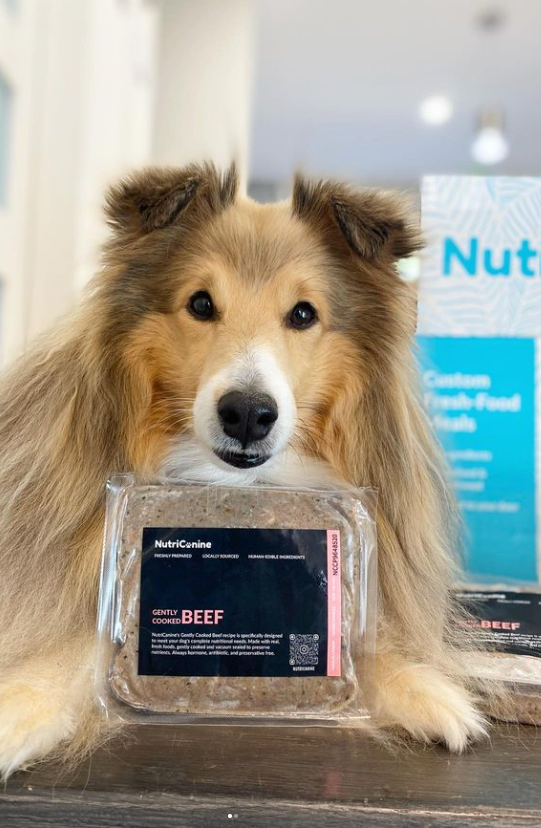
“I have three pups, all picky eaters, and they devoured their meals! I’m so happy to have found a quick, easy and super healthy food.”
 Verified Purchase
Best Food for Dogs with IVDD
Intervertebral disc disease, IVDD, affects many dogs, especially breeds like Dachshunds, Beagles, and French Bulldogs. When a dog has IVDD, the right nutrition can support healthy weight, maintain muscle, reduce inflammation, and provide the energy needed for healing and comfort. Choosing the best food for dogs with IVDD means focusing on high quality ingredients, balanced nutrition, appropriate fat levels, and supportive nutrients.

Why Diet Matters for Dogs with IVDD
Diet plays a crucial role in the health and well-being of dogs with IVDD because the right nutrition can directly support their spine, joints, and overall comfort. A carefully balanced diet helps maintain a healthy weight, reducing stress on the intervertebral discs and decreasing the risk of further injury. High-quality proteins preserve lean muscle mass, which stabilizes the spine, while anti-inflammatory nutrients and omega-3 fatty acids support joint and nerve health. Easily digestible ingredients ensure that dogs absorb maximum nutrients without putting extra strain on their digestive system. Ultimately, feeding a diet tailored to the unique needs of a dog with IVDD can improve mobility, reduce discomfort, and support long-term quality of life.
Decisions about IVDD treatment in dogs are made based on the severity and the duration of clinical signs.
Key Nutrients for IVDD Support
Low fat
Supporting a lean, healthy weight is one of the most important factors in managing IVDD. Excess body weight places extra stress on the spine, which can worsen discomfort, slow recovery, and increase the risk of disc injury or recurrence. Maintaining an optimal weight helps reduce pressure on the vertebrae, allowing your dog to move more comfortably and with less pain.
Fat is an essential nutrient, providing concentrated energy that supports daily activity, healthy skin, and nutrient absorption. However, too much fat can quickly lead to unwanted weight gain, which is especially risky for dogs with IVDD. Diets with moderate levels of fat, sourced from healthy options like fish oil, salmon, or flaxseed, offer energy while promoting a healthy body condition. These healthy fats also provide additional benefits, such as anti-inflammatory properties and support for joint and nerve health, making them ideal for dogs with spinal concerns. Balancing fat intake carefully ensures your dog gets the energy they need without compromising their weight or spinal health.
High Quality Protein
Equally important for dogs with IVDD is providing balanced, high-quality protein. Protein is the building block of muscles, and maintaining lean muscle mass is essential for stabilizing the spine and supporting overall mobility. Strong muscles act like natural braces, reducing strain on the vertebrae and helping your dog move more comfortably. Dogs with IVDD may be less active due to pain or stiffness, which increases the risk of muscle loss and weakness. Feeding a diet with highly digestible, nutrient-dense proteins, such as chicken, pork, turkey, or salmon, ensures that your dog receives the amino acids needed to maintain muscle without adding excess calories that could lead to weight gain. Preserving lean muscle not only helps protect the spine, but also supports endurance, energy levels, and long-term quality of life, making high-quality protein a cornerstone of any diet for dogs managing IVDD.
Antioxidants
Anti-inflammatory nutrients and antioxidants play a vital role in supporting comfort, recovery, and long-term health for dogs with IVDD. Chronic inflammation can worsen pain and stiffness, making mobility more difficult, so including ingredients that naturally calm inflammation is key. Compounds like curcumin in turmeric, along with antioxidants found in fruits and vegetables such as blueberries, cranberries, spinach, and carrots, help neutralize free radicals, reduce oxidative stress, and protect cells from damage.
These nutrients do more than just fight inflammation, they also support joint health, nerve function, and overall mobility. By reducing inflammation, your dog can experience less pain, move more freely, and maintain an active, playful lifestyle. Antioxidants also support the immune system, helping your dog stay healthy and resilient, which is especially important for dogs who may be less active or recovering from IVDD flare-ups. Feeding a diet rich in these natural compounds can complement other nutrients, like omega-3s and glucosamine, to provide a comprehensive approach to spinal and joint support.
Digestibility
For dogs with IVDD, digestibility is an important factor in their diet. Easily digestible foods allow nutrients to be absorbed efficiently, reducing strain on the gastrointestinal system and ensuring your dog gets the maximum benefit from every meal. When a dog’s body can efficiently use protein, fat, vitamins, and minerals, it helps support muscle maintenance, joint health, and overall energy levels, critical for dogs who may be less active due to spinal discomfort.
High-quality, digestible carbohydrates such as sweet potatoes, squash, and pumpkin provide steady, easily accessible energy without unnecessary fillers or hard-to-digest ingredients. These carbohydrates not only fuel activity but also contribute fiber, which supports gut health and regular digestion. A diet focused on digestibility helps prevent bloating, gas, or discomfort, which can be particularly beneficial for dogs with IVDD, as it allows them to eat comfortably and maintain consistent energy throughout the day. Feeding foods that are gentle on the digestive system ensures that your dog receives balanced nutrition while supporting overall comfort and mobility.
Omega 3 Fatty Acids
Omega-3 fatty acids are particularly valuable for dogs with IVDD because of their multiple roles in supporting joint, nerve, and skin health. The two key types, DHA (docosahexaenoic acid) and EPA (eicosapentaenoic acid), are primarily found in fish oils and fatty fish like salmon. These fatty acids have natural anti-inflammatory properties, which help reduce joint stiffness, support spinal comfort, and promote overall mobility.
DHA is especially important for maintaining healthy nerve function, helping transmit signals efficiently along the spinal cord, a critical factor for dogs with spinal conditions. EPA complements this by supporting the body’s inflammatory response, helping to calm inflammation in joints and tissues. Beyond the spine and joints, omega-3s also support skin and coat health, helping reduce dryness, itching, or irritation that can sometimes accompany inflammatory conditions.
Regular intake of omega-3 fatty acids, either through a high-quality diet or supplements recommended by your veterinarian, can help improve your dog’s comfort, maintain mobility, and support long-term health. When combined with other nutrients like glucosamine, chondroitin, and antioxidants, omega-3s form a powerful foundation for a diet designed to help dogs with IVDD move more freely and feel their best.
Glucosamine and Chondroitin
Glucosamine and chondroitin are key nutrients for supporting joint health and mobility in dogs, especially those with IVDD or other spinal and joint concerns. Glucosamine is a natural compound found in cartilage that helps maintain its structure and repair wear and tear, while chondroitin works alongside it to retain water in the cartilage, keeping it resilient and cushioned. Together, they help reduce stiffness, support joint flexibility, and promote overall comfort, which is essential for dogs whose movement may be limited by spinal issues. Feeding a diet enriched with these nutrients, or supplementing under veterinary guidance, can help protect the joints, support recovery after flare-ups, and maintain long-term mobility. Over time, consistent intake may allow dogs with IVDD to move more freely, experience less discomfort, and maintain a higher quality of life.

Best Types of Food for IVDD
Choosing the right type of food is just as important as selecting the right nutrients for dogs with IVDD. Several food formats can provide the nutrition and support these dogs need, depending on their individual preferences, sensitivities, and lifestyle.
Fresh Cooked Dog Food
Made with whole food ingredients and minimally processed to preserve nutrients. Fresh food diets often have high digestibility, making it easier for dogs to absorb essential proteins, fats, vitamins, and minerals. Because they are made from real, wholesome ingredients, fresh cooked diets can be rich in anti-inflammatory compounds, omega-3 fatty acids, and antioxidants, all of which help support joint, nerve, and spinal health. Fresh diets also allow for careful portion control, which is critical for maintaining a healthy weight.
High-Quality Kibble
High-quality kibble can also work well for dogs with IVDD when formulated with balanced protein, moderate fat, and added joint support. Look for kibble that includes omega-3 fatty acids, glucosamine, and chondroitin to help support mobility and reduce inflammation. High-quality kibble is convenient, shelf-stable, and can provide complete nutrition when chosen carefully.
Grain Free Dog Food
For dogs with IVDD, maintaining a healthy weight is crucial to reduce stress on the spine and support mobility. Grain-free diets can sometimes play a role in weight management because they often rely on nutrient-dense, easily digestible carbohydrates like sweet potatoes, squash, or legumes instead of traditional grains. These alternative carbohydrates provide steady energy without excessive calories or unnecessary fillers, helping dogs feel satisfied while avoiding weight gain.
Additionally, grain-free diets can be easier for some dogs to digest, which can improve nutrient absorption and overall gut health. A diet that is both balanced and free of common grains may help your dog maintain lean muscle and support joint health, all while keeping their calorie intake in check. It’s important, however, to ensure that a grain-free diet remains complete and nutritionally balanced, providing all the protein, fats, vitamins, and minerals your dog needs to thrive. Consulting with your veterinarian can help determine whether a grain-free approach is right for your dog with IVDD and how it can best support long-term weight management and comfort.
No matter which type of diet you choose, it’s essential to consult your veterinarian before switching foods or adding supplements. Every dog with IVDD has unique needs, and a professional assessment can ensure their diet supports mobility, comfort, and long-term health. With the right nutrition, dogs with IVDD can maintain a healthy weight, preserve muscle mass, and enjoy better quality of life.

NutriCanine Fresh Dog Food For Dogs With IVDD
Fresh dog food can be ideal for dogs with IVDD because it is made from whole ingredients and cooked to preserve nutrients. NutriCanine is a fresh dog food company focused on nourishing dogs with recipes that are complete, balanced, and designed to support overall health including joint and nerve function.
NutriCanine’s new salmon recipe features:
-
Salmon as the first ingredient, rich in omega 3 fatty acids which help support joint, nerve and skin health.
-
Easily digestible carbohydrates like sweet potatoes and squash to provide energy without excess calories.
-
Fresh vegetables and fruits for antioxidants and fiber.
-
No fillers or artificial additives so your dog gets real nutrition in every bite.
The salmon recipe is formulated to be ideal for dogs with joint concerns or inflammatory conditions because of its premium protein and anti-inflammatory fats. Feeding a diet like this can help maintain a healthy weight and give your dog nutrients that support recovery and comfort.

Tips for Feeding Dogs with IVDD
Feeding a dog with IVDD requires attention to portion control, nutrient balance, and consistency to support spinal health and overall mobility. Start by following feeding guidelines based on your dog’s current weight, age, and activity level. Dogs with IVDD are often less active due to discomfort, so their caloric needs may be lower than a typical dog of the same size.
Regularly monitor your dog’s body condition and adjust portions as needed to maintain a lean, healthy physique. Excess weight puts additional stress on the spine and joints, while too little nutrition can lead to muscle loss and reduced mobility. Maintaining the right balance is critical for comfort and long-term health.
If recommended by your veterinarian, incorporate omega-3 supplements or other joint-supporting nutrients into their diet. These supplements can help reduce inflammation, support nerve and joint function, and improve overall comfort.
Breaking meals into smaller, more frequent portions throughout the day can also be beneficial. Smaller meals are easier to digest, help stabilize energy levels, and reduce strain on the digestive system, which is particularly important for dogs managing spinal issues.
Finally, consistency is key. Stick to regular feeding times and avoid sudden changes in diet, portion size, or ingredient composition. Sudden dietary changes can cause digestive upset and may affect nutrient absorption, which can be especially problematic for dogs with IVDD. By maintaining a consistent, balanced feeding routine, you can help your dog stay comfortable, maintain a healthy weight, and support mobility over the long term.

Final Thoughts
The best food for a dog with IVDD is one that supports lean muscle, provides anti-inflammatory nutrients, and is highly digestible. NutriCanine’s fresh salmon recipe is a great option because it blends quality protein and healthy fats with real whole food ingredients. Combined with a thoughtful feeding plan and veterinary guidance, feeding the right nutritious diet can help your dog live comfortably and thrive despite IVDD.