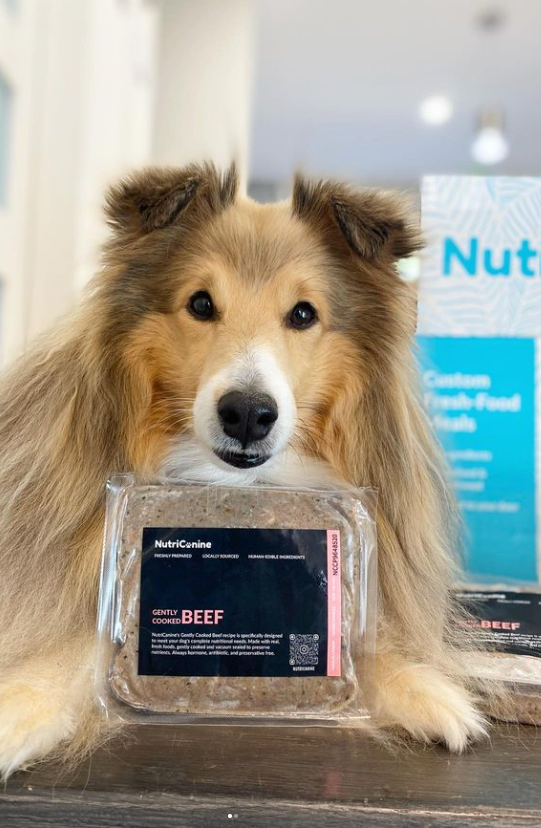
“I have three pups, all picky eaters, and they devoured their meals! I’m so happy to have found a quick, easy and super healthy food.”
 Verified Purchase
the Best Dog Food Toppers for Health, Appetite & Variety
The Best Dog Food Toppers for Health, Appetite & Variety
If you have ever stood over your dog's bowl wondering if there is something more you could be doing for their health, you are not alone. Food toppers have become one of the most popular ways for dog owners to upgrade mealtime, and for good reason. Whether your goal is to encourage a picky eater, add a boost of nutrients, increase hydration, or simply give your dog something to get excited about, the right topper can make a meaningful difference.
Food toppers are exactly what they sound like: ingredients or products added on top of your dog's regular meal to enhance it. They can range from a spoonful of plain pumpkin puree to a portion of freeze-dried raw meat, and nearly everything in between. Unlike meal replacements or complete diets, toppers are designed to complement what your dog is already eating. The key is choosing options that are safe, nutritious, and appropriate for your individual dog.
In this guide, we are breaking down the top 10 food toppers for dogs, along with practical advice on how to use them, which dogs benefit most, and what to watch out for. Whether you are feeding kibble, raw, fresh, or a combination, there is a topper on this list that can work for your dog. And if you are curious about the bigger picture of what fresh food can do for your dog's long-term health, we explore that in detail over on the NutriCanine blog.

What Makes a Good Food Topper for Dogs?
Not all toppers are created equal. Before adding anything new to your dog's bowl, it helps to understand what separates a genuinely beneficial topper from one that is more marketing than substance.
Nutritional Value
A good topper adds something meaningful to the meal: protein, healthy fats, moisture, antioxidants, or digestive support. If the primary ingredient is water, starch, or artificial flavouring, it may increase palatability without adding much else.
Digestibility
Even the most nutrient-dense ingredient is only useful if your dog can actually absorb it. Toppers made from whole, minimally processed ingredients tend to be more bioavailable than heavily processed options.
Ingredient Quality
Look for toppers with recognisable, whole-food ingredients. Short ingredient lists are generally a good sign. Avoid products with excessive sodium, artificial colours, artificial flavours, or unnamed by-products. For a deeper look at what to watch out for, our guide to common dog food myths debunked is a helpful starting point.
Moisture Content
Many dogs, especially those eating dry kibble, are chronically under-hydrated. Adding a moisture-rich topper such as bone broth, goat milk, or a fresh food component is a simple way to support hydration and kidney function.
Calorie and Fat Awareness
Toppers add calories. Even healthy ones. If your dog is prone to weight gain or pancreatitis, portion control is essential. As a general guideline, toppers should make up no more than 10 to 20 percent of your dog's total daily caloric intake, though this varies by dog and diet.
Here is a quick checklist for evaluating any topper:
• Whole-food or minimally processed ingredients
• No added salt, sugar, or artificial flavours
• Appropriate protein and fat levels for your dog's health status
• Safe for your dog's specific sensitivities or health conditions
• Calorie content you can account for in the daily total

Top 10 Food Toppers for Dogs
1. Bone Broth
Bone broth is one of the most widely recommended food toppers for dogs, and it earns that reputation. Made by simmering animal bones and connective tissue over many hours, bone broth is rich in collagen, gelatin, glycine, and trace minerals. It is also highly palatable, making it a reliable option for dogs that are unwell, recovering from illness, or simply going through a picky phase.
Nutritional benefits:
• Supports joint health through natural collagen and glucosamine
• Provides glycine, an amino acid that supports liver function and digestion
• Adds moisture to dry food
• Easy on the digestive system
Best for: Senior dogs, dogs with joint concerns, picky eaters, dogs recovering from illness or surgery, and kibble-fed dogs who need more moisture.
Serving idea: Warm slightly and pour a few tablespoons over kibble or fresh food. You can also freeze it into ice cube trays for a summer treat.
Caution: Always use low-sodium, plain bone broth. Never use store-bought broth made for humans, as these typically contain onion, garlic, or high levels of sodium that are toxic or harmful to dogs. Look for broth made specifically for pets, or make your own.
2. Sardines in Water
Canned sardines packed in water are a nutritional powerhouse and one of the most affordable toppers available. They are an excellent source of omega-3 fatty acids, specifically EPA and DHA, which support skin health, coat condition, brain function, and inflammation management. Because sardines are small fish with short lifespans, they are also lower in heavy metals such as mercury compared to larger fish like tuna. An independent study found concerning levels of heavy metals in some popular dog foods, which is one more reason to choose whole, traceable ingredients like sardines.
Nutritional benefits:
• High in EPA and DHA omega-3 fatty acids
• Rich in vitamin B12, vitamin D, and selenium
• Good source of complete protein
• Supports skin, coat, and cognitive health
Best for: Dogs with itchy or dry skin, older dogs, dogs with inflammatory conditions, or any dog that needs a protein and fat boost.
Serving idea: Offer one to two sardines (depending on your dog's size) a few times per week. Break them over the food or mix them in. For more on safely incorporating fish into your dog's diet, read our article can dogs eat fish.
Caution: Use only sardines packed in water, not oil or brine. Oil-packed sardines add unnecessary fat, and brine is too high in sodium. Introduce gradually to avoid loose stools.
3. Plain Pumpkin Puree
Plain canned pumpkin (not pie filling) is one of the most well-known and versatile dog food toppers in the canine nutrition world. It is rich in soluble fibre, which makes it genuinely useful for digestive support in both directions. Soluble fibre absorbs water in the gut, which can firm up loose stools, while also adding bulk that can help with mild constipation.
Nutritional benefits:
• Soluble fibre supports healthy digestion and stool consistency
• Rich in beta-carotene, a precursor to vitamin A
• Contains potassium, manganese, and vitamin C
• Low in calories relative to volume
Best for: Dogs with occasional loose stools or constipation, dogs needing added fibre, overweight dogs that benefit from filling, low-calorie volume.
Serving idea: Add one to four tablespoons depending on your dog's size. For small dogs, start with one teaspoon to assess tolerance.
Caution: Always use plain pumpkin puree, not pumpkin pie mix, which contains spices and sweeteners that are harmful to dogs. If digestive issues are persistent or worsening, consult your veterinarian. If you enjoy adding squash-family vegetables to your dog's bowl, you might also be curious whether dogs can eat butternut squash.
4. Fresh Cooked Lean Meat
Sometimes the simplest topper is the best one. A small portion of plain, cooked lean meat is one of the most biologically appropriate additions you can make to your dog's meal. Dogs are facultative carnivores with a digestive system optimised for animal protein. Adding a real, whole-food protein source increases the overall amino acid profile of the meal and supports muscle maintenance, immune function, and satiety.
Nutritional benefits:
• Complete amino acid profile to support muscle and tissue repair
• Highly digestible compared to many processed protein sources
• Can improve overall protein quality in kibble-based diets
• Naturally palatable
Best for: Active dogs, dogs with higher protein requirements, senior dogs at risk for muscle loss (sarcopenia), or picky eaters who need more food motivation.
Serving idea: Offer plain cooked chicken breast, turkey, lean ground beef, or pork loin. Keep portions to about 10 percent of the total meal. No seasoning, no sauces, no butter or oil.
Caution: Avoid processed meats such as deli turkey or chicken, which are high in sodium. Also avoid raw meat unless you are following a complete raw feeding protocol. For an objective look at the differences between fresh cooked and raw diets, see our breakdown of fresh cooked dog food vs raw.
5. Goat Milk
Raw or gently pasteurised goat milk has gained significant popularity as a dog food topper, and the science supports the enthusiasm. Goat milk has a different protein structure than cow's milk, specifically the A2 beta-casein protein, which tends to be easier to digest. It also contains a natural profile of probiotics, digestive enzymes, vitamins, and minerals that can support gut health and immune function.
Nutritional benefits:
• Natural source of probiotics and digestive enzymes
• Contains calcium, phosphorus, and B vitamins
• Easier to digest than cow's milk for most dogs
• Supports gut microbiome diversity
Best for: Dogs with sensitive stomachs, dogs on antibiotic treatment (to help restore gut flora), dogs who need extra hydration or a palatability boost.
Serving idea: Add one to four tablespoons depending on dog size. Available fresh, frozen, or freeze-dried at many pet specialty retailers.
Caution: Even though goat milk is easier to digest, some dogs are still sensitive to dairy. Introduce slowly and monitor for loose stools or gas. Flatulence and digestive upset can sometimes signal a sensitivity worth taking seriously. Goat milk is also relatively high in fat, so account for calories, especially in overweight dogs.
6. Plain Greek Yogurt
Plain, unsweetened Greek yogurt is a convenient, protein-rich topper that most dogs enjoy. It delivers live probiotic cultures such as Lactobacillus and Bifidobacterium strains, which can support the balance of beneficial bacteria in the gut. Greek yogurt also has a higher protein concentration than regular yogurt due to the straining process. To learn more about how probiotics, prebiotics, and postbiotics work together for gut health, our article on natural ways to support your dog's digestive health goes into much more depth.
Nutritional benefits:
• Contains live probiotic cultures to support gut health
• Higher protein content compared to regular yogurt
• Good source of calcium
• Generally well tolerated by dogs that can handle dairy
Best for: Dogs needing gut microbiome support, dogs recovering from antibiotic courses, dogs that enjoy the texture and flavour.
Serving idea: One to two tablespoons for medium to large dogs. One teaspoon for small breeds. Mix into food or offer as a standalone treat.
Caution: Always choose plain, unflavoured Greek yogurt with no added sweeteners. Never use products containing xylitol, which is toxic to dogs. Avoid yogurt with fruit additives or flavouring. Some lactose-intolerant dogs will not tolerate this well, even with the reduced lactose content.
7. Freeze-Dried Raw Toppers
Freeze-dried raw toppers occupy an interesting middle ground between the nutritional appeal of raw feeding and the convenience of shelf-stable food. The freeze-drying process removes moisture without heat, which preserves much of the original nutrient profile, enzymes, and natural flavours of the raw ingredients. These toppers are typically made from a single protein source or a complete raw mix and are highly palatable to most dogs.
Nutritional benefits:
• Retains much of the nutritional value of raw meat
• Contains natural enzymes not present in cooked or processed foods
• High in protein and often low in carbohydrates
• Typically free from preservatives and artificial additives
Best for: Dogs transitioning toward a more whole-food diet, picky eaters who need strong aroma and flavour, dogs whose owners want raw nutrition without raw food handling.
Serving idea: Crumble over the top of kibble or fresh food. Most products include serving guidelines by weight. Rehydrating with a little warm water can further boost moisture content and aroma.
Caution: Freeze-dried raw products are not sterile. Dogs with compromised immune systems, pregnant dogs, or very young puppies should not consume raw or freeze-dried raw products without veterinary guidance. Always source from reputable Canadian brands with strong safety protocols. Not sure which format is right for your dog? Our comparison of fresh cooked vs freeze-dried dog food breaks it all down.
8. Blueberries
Blueberries are one of the most nutritionally dense fruit options you can offer a dog. Small, low-calorie, and easy to prepare, they are packed with antioxidants, particularly anthocyanins, which have been studied for their role in reducing oxidative stress. Oxidative stress is associated with cellular ageing and a range of chronic health issues, making antioxidant-rich foods especially relevant for senior dogs.
Nutritional benefits:
• Rich in antioxidants including anthocyanins and vitamin C
• Good source of dietary fibre
• Contain manganese and vitamins K and C
• Low in calories and sugar compared to many fruits
Best for: Senior dogs, dogs prone to inflammation, any dog whose diet could benefit from added antioxidants.
Serving idea: Offer a small handful of fresh or thawed frozen blueberries as a topper. No preparation needed. Their small size also makes them easy to use as training treats.
Caution: While blueberries are very safe, they still contain natural sugars. For diabetic dogs or those with blood sugar regulation issues, check with your vet before adding regularly. Introduce slowly to assess tolerance.
9. Eggs
Eggs are often cited as having one of the highest biological values of any protein source, and they are just as useful in your dog's bowl as they are in your own kitchen. The egg white provides a complete profile of essential amino acids, while the yolk is rich in fat-soluble vitamins, choline, and healthy fatty acids. Cooked eggs are easy to prepare, highly digestible, and rarely cause adverse reactions.
Nutritional benefits:
• High biological value complete protein
• Rich in choline, which supports brain and liver health
• Good source of vitamins A, D, E, and B12
• Contains lutein and zeaxanthin, which support eye health
Best for: Dogs of all ages. Particularly beneficial for puppies in growth phases and seniors who need highly digestible, quality protein.
Serving idea: Scramble or hard-boil without seasoning. For a medium dog, half to one egg is a reasonable serving a few times per week. The whole egg including the yolk is fine for healthy dogs.
Caution: Raw egg whites contain avidin, a compound that interferes with biotin absorption over time. Feeding raw eggs occasionally is unlikely to cause a problem, but regular raw egg feeding is not recommended without consultation. Cooked eggs do not carry this risk.
10. Fresh Vegetables: Carrots and Green Beans
Certain vegetables make excellent low-calorie toppers that add fibre, vitamins, and hydration without a significant calorie load. Carrots and green beans are two of the most universally safe and practical options. They are crunchy, affordable, widely available, and require minimal preparation.
Nutritional benefits of carrots:
• Rich in beta-carotene, which converts to vitamin A
• Good source of fibre and potassium
Crunchy texture supports dental hygiene to a mild degree (for more on keeping your dog's teeth healthy through diet, see smarter oral care for dogs starts in the gut and mouth)
• Low in calories
Nutritional benefits of green beans:
• Low calorie and high fibre
• Good source of vitamins C and K, manganese, and folate
• Often recommended as a kibble extender for overweight dogs
Best for: Dogs needing weight management support, dogs that love to chew, or any dog needing added vegetable variety in their diet.
Serving idea: Raw or steamed, plain, with no butter or seasoning. Chop into appropriate sizes to avoid choking. Green beans can make up a meaningful portion of the bowl for dogs on a calorie-restricted programme.
Caution: Avoid onions, garlic, leeks, and chives entirely, as these are toxic to dogs. Also avoid corn on the cob, which poses a choking and obstruction risk.

Food Toppers for Picky Eaters
Picky eating in dogs can stem from a number of causes. Some dogs have learned that holding out at mealtime leads to something better. Others have genuine texture or flavour preferences. Some may have underlying health issues affecting appetite, including dental pain, nausea, or gastrointestinal discomfort. Understanding the cause matters before reaching for a topper.
That said, for dogs who are simply selective eaters with no underlying medical issue, toppers can be an effective tool. The key drivers that influence appetite in dogs are:
• Aroma: Dogs experience smell far more intensely than we do. Warm, pungent toppings such as bone broth, sardines, or fresh cooked meat trigger feeding motivation through scent.
• Moisture: Dry food can be less appealing to some dogs. Adding a liquid topper like broth or goat milk increases palatability.
• Texture contrast: A crunchy kibble with a soft, moist topper offers sensory variety that can make mealtime more interesting.
• Temperature: Slightly warming a topper (not hot) can release more aroma and improve palatability.
The toppers most consistently effective for picky eaters are bone broth, fresh cooked meat, freeze-dried raw toppers, sardines, and goat milk. These all score high on aroma and flavour intensity.
One important note: if your dog has recently become a picky eater after previously eating well, it is worth ruling out a health issue with your veterinarian before assuming it is a behavioural preference. Our full guide to getting a picky dog to lick their bowl clean covers this topic in much more detail.

Are Food Toppers Safe for Every Dog?
For most healthy dogs, whole-food toppers used in appropriate amounts are a safe and beneficial addition to their diet. However, certain dogs require more careful consideration before introducing any new food.
Dogs with Food Sensitivities or Allergies
If your dog has a diagnosed food allergy or intolerance, any new topper needs to be evaluated against their known triggers. For example, a dog on a hydrolysed protein diet for allergies should not have sardines added without veterinary guidance, as fish could be a novel protein that disrupts the elimination protocol.
Dogs with Pancreatitis
Pancreatitis requires strict fat management. Many toppers including sardines, eggs, and goat milk are moderate to high in fat. If your dog has a history of pancreatitis, stick to very low-fat options such as plain pumpkin puree, plain cooked chicken breast, green beans, or carrots, and consult your vet before making changes. Our article on fresh food for dogs with pancreatitis and our guide to choosing the best low-fat food for dogs are both worth reading if this applies to your dog.
Dogs on Prescription Diets
Prescription diets for conditions like kidney disease, liver disease, urinary issues, or diabetes are carefully formulated. Adding toppers can inadvertently throw off the balance of nutrients that the diet is designed to provide. Always check with your veterinarian before adding anything to a prescription diet. For more background on when and why these diets are prescribed, see our overview of specialised dog diets explained.
Obesity and Weight Management
Extra food is extra calories, even when that food is healthy. For overweight dogs, it is important to reduce the base meal proportionally when adding a topper, or to choose very low-calorie toppers such as green beans or pumpkin. Tracking total daily intake is important.
Gradual Introduction
Regardless of your dog's health status, all new toppers should be introduced gradually. Add a small amount to begin with and monitor stool quality, energy, and skin for any changes over a week before increasing the amount.

Homemade vs Commercial Food Toppers
Both homemade and commercial toppers can be excellent choices depending on your goals, lifestyle, and your dog's needs. One thing worth knowing: a study on home-prepared dog diets found that most homemade recipes fail to meet complete nutritional requirements on their own, which is a good reminder that toppers are meant to enhance a balanced base diet, not replace one. Here is how the two approaches compare:
The bottom line is that both approaches can work beautifully when done thoughtfully. The best topper is the one that fits your lifestyle and meets your dog's individual needs.
Why Fresh Food Makes an Excellent Natural Topper
While the toppers above are all excellent standalone options, fresh cooked food occupies a unique position in the dog nutrition world. It functions beautifully as both a complete meal and a premium topper for dogs whose owners want to enhance without overhauling.
Fresh cooked food, made with human-grade ingredients and minimally processed, delivers something that most commercial toppers cannot fully replicate: the full sensory and nutritional package of real food. The aroma of freshly cooked chicken, the moisture of a well-balanced recipe, and the visible quality of whole ingredients make it one of the most reliable palatability tools available.
Here is why NutriCanine's fresh cooked meals work so well as a topper:
• Human-grade ingredients with visible, recognisable whole foods in every recipe
• High moisture content that supports hydration, especially for kibble-fed dogs
• Minimally processed to preserve natural flavour compounds and nutrients
• Fresh protein sources including chicken, turkey, beef, lamb, pork, and salmon
• Formulated by nutrition experts to meet AAFCO nutrient profiles for complete and balanced feeding
• Easy to portion, making calorie management straightforward
When used as a topper, a portion of NutriCanine can transform a standard kibble meal into something your dog genuinely looks forward to. When used as a complete meal, it provides the kind of nutrition that a well-fed dog deserves every day.
NutriCanine is a Canadian fresh pet food brand built on the principle that dogs thrive on real, whole-food nutrition. Every recipe is developed with canine nutritional science at its core.
Ready to elevate your dog's meals? Explore NutriCanine's fresh food meal plans and discover a better way to feed. Whether you are looking for a complete diet or a premium topper to add alongside your dog's current food, NutriCanine makes it simple. Visit nutricanine.ca to learn more and find the right plan for your dog.

The Bottom Line
Food toppers offer a simple, accessible way to improve your dog's mealtime experience without overhauling their diet. Whether your goal is to support gut health, increase hydration, encourage a picky eater, or simply add a little more real nutrition to the bowl, there is a topper that fits. For a broader look at evidence-based strategies for keeping dogs healthy, our guide to natural remedies for common dog health issues is a worthwhile read.
The best toppers are whole, minimally processed, and chosen with your individual dog's health status in mind. Bone broth, sardines, pumpkin, cooked lean meat, and eggs have earned their place at the top of the list for good reason. They are affordable, effective, and backed by basic nutritional science.
And when you want to go a step further, nothing does the job quite like real, fresh cooked food. Not just as a topper, but as the foundation of a diet your dog can thrive on every day. The research on how fresh feeding can support a longer, healthier life makes a compelling case for making the switch.