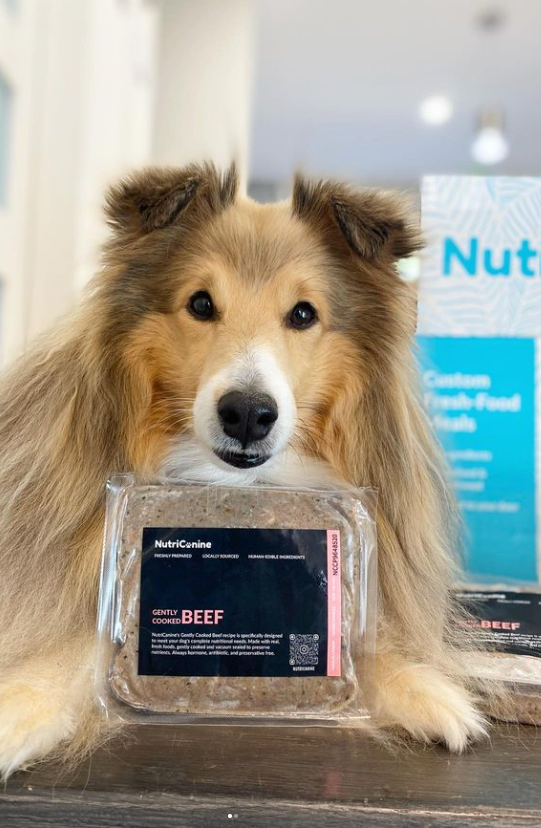
“I have three pups, all picky eaters, and they devoured their meals! I’m so happy to have found a quick, easy and super healthy food.”
 Verified Purchase
What Is Hydrolyzed Dog Food? Benefits, Risks, and Alternatives Explained
What Is Hydrolyzed Dog Food? Benefits, Risks, and Alternatives Explained
If your dog has been itching constantly, suffering from recurring digestive upset, or dealing with unexplained skin flares, food may be a contributing factor. Food sensitivities and true food allergies are among the more common and frustrating conditions that affect dogs, and they can take months to properly identify.
Hydrolyzed dog food is one of the tools veterinarians frequently reach for when navigating these cases. It sounds technical, and it is, but the idea behind it is fairly straightforward. By processing proteins down to their smallest possible components, these diets aim to reduce the immune system's ability to recognize and react to them.
That said, hydrolyzed diets are not a one-size-fits-all solution, and they come with a set of practical and nutritional considerations that every dog owner should understand. This article explains how hydrolyzed dog food works, who it might help, what the downsides are, and when a different approach might be worth exploring with your veterinarian.

What is Hydrolyzed Dog Food?
Hydrolyzed dog food is a type of diet in which the protein sources have been broken down through a process called hydrolysis. In practical terms, this means that intact protein molecules are split into much smaller fragments called peptides or free amino acids, using water and either enzymes or heat.
To understand why this matters, it helps to know a little about how food allergies develop in dogs. The immune system identifies proteins through a kind of molecular recognition. When a protein is large enough and structurally familiar, the immune system can flag it as a threat and mount an inflammatory response. This is what happens in a true food allergy.
By breaking proteins into very small fragments, hydrolysis reduces the likelihood that the immune system will recognize them as allergens. The protein is still there nutritionally, but it has been changed structurally to the point where it is less likely to trigger an immune reaction.
Common Conditions Hydrolyzed Diets Are Used For
Veterinarians typically recommend hydrolyzed diets for:
• Suspected food allergies, particularly when the offending ingredient is unknown
• Inflammatory bowel disease (IBD) or chronic enteropathy
• Chronic or recurrent digestive upset, including vomiting and loose stools
• Skin conditions linked to food, including generalized itching, hot spots, or recurring rashes
• Chronic ear infections that have not responded to other treatments
• Protein-losing enteropathy in some cases
Most commonly, these diets are used during a dietary elimination trial, which is the gold standard method for identifying food sensitivities in dogs. During an elimination trial, a dog is fed a very restricted, novel diet for 8 to 12 weeks and monitored for changes in symptoms. Hydrolyzed diets are often used for this purpose because they minimize the risk of introducing recognizable allergens.

How Hydrolyzed Dog Food Works
The science behind hydrolyzed protein diets comes down to immune recognition. When a dog's immune system is primed to react to a specific protein, such as chicken or beef, it does so through a process involving antibodies (typically IgE or IgG) that bind to specific structures on that protein molecule. These binding sites are called epitopes.
When a protein is hydrolyzed into very small peptide fragments, those epitopes are disrupted or destroyed. Without an intact epitope, the immune system often cannot mount the same inflammatory response. The protein fragments are absorbed and used nutritionally, but they pass under the radar, so to speak.
This is a simplified explanation of a complex immunological process, and it does not always work perfectly. Some dogs still react to hydrolyzed proteins, which is discussed in the risks section below. But for many dogs, particularly those undergoing elimination trials, hydrolyzed diets significantly reduce immune exposure and help clarify whether diet is contributing to their symptoms.
Prescription vs. Over-the-Counter Hydrolyzed Diets
Most veterinary hydrolyzed diets are sold through veterinary clinics only, from brands like Hill's (z/d), Royal Canin (HP or Ultamino), and Purina (HA). These formulas are manufactured under strict cross-contamination controls to ensure they are not inadvertently contaminated with other proteins during production, which would defeat the purpose of an elimination trial.
Over-the-counter products marketed as hydrolyzed are available, but they vary considerably in quality, degree of hydrolysis, and manufacturing controls. If a true elimination trial is being conducted, vet-grade hydrolyzed diets are generally recommended for reliability.
Potential Benefits of Hydrolyzed Dog Food
When used appropriately and under veterinary guidance, hydrolyzed diets offer several meaningful benefits:
For dogs undergoing a proper elimination trial, or for dogs with confirmed food allergies where a novel protein diet is not practical, a hydrolyzed diet can genuinely improve quality of life and help veterinarians make accurate diagnoses.

Risks and Downsides of Hydrolyzed Dog Food
Like any veterinary tool, hydrolyzed diets come with limitations and considerations that are worth discussing honestly. None of these are reasons to dismiss the diets outright, but they are important factors to weigh alongside the benefits.
Highly Processed Formulation
Hydrolysis is an industrial process, and the resulting ingredients look very different from whole food. The proteins are chemically altered, starches and additives are often used to achieve palatability and stability, and the overall product is far removed from what a dog would encounter in a minimally processed or fresh diet. For some owners, this is a reasonable trade-off given the clinical goal. For others, it conflicts with their priorities around diet quality.
Palatability Issues
Hydrolyzed proteins have a different texture and flavor profile compared to whole proteins, and some dogs find them significantly less appealing. Dogs accustomed to varied or fresh diets may refuse hydrolyzed prescription foods, making compliance during an elimination trial challenging. This is a practical concern that veterinarians and owners often navigate together.
Cost
Prescription hydrolyzed diets are among the more expensive commercial dog foods on the market. Depending on the dog's size and how long the diet is needed, costs can add up substantially. This creates real accessibility barriers for some pet owners.
Ingredient Lists and Additives
Some hydrolyzed prescription diets contain long ingredient lists with multiple additives, stabilizers, artificial flavors, and synthetic vitamins to compensate for what is lost in processing. While these ingredients are generally recognized as safe, they are not in line with the philosophy of whole-food nutrition, and some dogs with particularly sensitive GI tracts may not tolerate all of them well.
Some Dogs Still React
Research has shown that not all hydrolyzed proteins are equally effective at eliminating immune reactivity. A 2018 study published in Veterinary Dermatology found that some commercially available hydrolyzed diets still contain detectable allergen fragments that could trigger reactions in sensitized animals. Dogs with very severe allergies or highly sensitized immune systems may still respond to even partially intact epitopes.
Not Designed for Long-Term Nutrition Optimization
Hydrolyzed diets are formulated to meet AAFCO minimum nutrient requirements, but they are designed primarily as therapeutic tools rather than as optimal long-term nutrition. The emphasis in their formulation is on allergen elimination, not on ingredient quality, digestibility, or nutrient density beyond the minimum required. Using them indefinitely without periodic reassessment may not represent the best long-term nutritional strategy for every dog.
Symptoms vs. Root Cause
It is worth noting that a hydrolyzed diet manages symptoms by reducing immune exposure, but it does not address why the dog developed food hypersensitivity in the first place. Factors like gut microbiome health, intestinal barrier integrity, and early diet diversity may all play a role in the development of food sensitivities. A hydrolyzed diet alone does not address these underlying factors.
Hydrolyzed Pet Food Problems
Are Hydrolyzed Diets Bad for Dogs?
The short answer is no, not inherently. Hydrolyzed dog food is a legitimate and evidence-supported veterinary tool that has helped many dogs with food allergies, IBD, and chronic digestive conditions. When used correctly, under veterinary supervision, and for the right indication, these diets can make a real difference.
The more nuanced answer is that hydrolyzed diets are not necessarily the ideal long-term nutrition solution for every dog, particularly once a diagnosis has been made and the offending ingredient identified. At that point, a dog may not need an expensive prescription hydrolyzed formula indefinitely. There may be simpler, higher-quality alternatives that accomplish the same goal of avoiding the trigger ingredient while providing better overall nutrition.
The key is working with a veterinarian or veterinary nutritionist to determine what your individual dog needs, at what stage of management, and for how long.
Alternatives to Hydrolyzed Dog Food
Depending on your dog's specific situation, there are several alternatives worth discussing with your veterinarian.
Limited Ingredient Diets (LIDs)
Limited ingredient diets are formulated with a minimal number of protein and carbohydrate sources, typically one of each. They are not hydrolyzed, meaning the proteins remain intact, but they reduce the number of potential allergens significantly. LIDs are most useful when the offending ingredient has already been identified through an elimination trial, or when a dog has mild sensitivities rather than a confirmed IgE-mediated allergy.
Novel Protein Diets
A novel protein diet uses a protein source the dog has never been exposed to before, such as kangaroo, rabbit, venison, or bison. Because the immune system has not had prior exposure to the protein, it is less likely to have developed a sensitization to it. Novel protein diets can be effective both for elimination trials and for long-term management, provided the dog has not previously eaten that protein source.
Fresh Cooked and Gently Cooked Diets
Fresh and gently cooked diets have grown considerably in popularity, and for good reason. They use whole, recognizable ingredients, are minimally processed, and tend to be highly digestible. For dogs with food sensitivities, a fresh diet with carefully selected, limited ingredients can offer excellent ingredient control without the processing associated with hydrolyzed formulas.
Fresh diets are not a replacement for a veterinary elimination trial in a dog with suspected severe allergies, but they may be an excellent long-term management tool once allergens have been identified.
Home-Cooked Nutritionist-Formulated Diets
For dogs with complex sensitivities, a home-cooked diet formulated by a certified pet nutritionist provides the highest level of ingredient control. Every ingredient is known, the diet is balanced to meet AAFCO or NRC recommendations, and it can be adjusted as needed. This approach requires more time and resources but is highly effective for dogs with multi-protein sensitivities or severe GI disease.

Rotational Feeding in Appropriate Cases
In dogs without confirmed food allergies, a rotational feeding approach that regularly varies protein sources has been proposed as a way to reduce the likelihood of developing sensitivities over time by preventing repeated immune exposure to the same antigens. This is not appropriate for dogs actively undergoing elimination trials, but it may be worth discussing as a long-term strategy in healthy dogs.
NutriCanine: Fresh Food Built Around Your Dog
For dogs that have been through the elimination trial process and have a clearer picture of what they can and cannot tolerate, diet quality becomes the next priority. That is where NutriCanine can help.
NutriCanine offers fresh, gently cooked dog food made with quality animal proteins, digestible carbohydrates, and whole food ingredients. Recipes are designed with ingredient transparency in mind, meaning you know exactly what your dog is eating and why. There are no unnecessary fillers, artificial flavors, or hidden additives.
For dogs with sensitivities, NutriCanine's personalized approach means you can work with limited, carefully chosen ingredients rather than relying on highly processed prescription formulas indefinitely. Fresh food may also support digestive health through improved digestibility and whole-food nutrient profiles, which can be meaningful for dogs prone to GI issues.
NutriCanine does not claim to cure allergies or replace the diagnostic process. What we do offer is a thoughtful, high-quality fresh food option for dogs that thrive on real ingredients. If your dog has completed an elimination trial and you are ready to explore what long-term feeding could look like, we invite you to reach out and talk through your dog's needs.

How to Choose the Right Diet for a Dog With Food Sensitivities
Choosing a diet for a dog with suspected food sensitivities is not something to navigate alone. The type of diet that makes sense depends on several factors, including whether the dog has a confirmed allergy, which ingredients have been identified as problematic, the severity of symptoms, and the dog's overall health status.
The Role of Veterinary Involvement
Any dog with persistent skin issues, chronic GI upset, or recurring ear infections should be evaluated by a veterinarian before a diet change is made. Many of these symptoms have non-dietary causes, and making diet changes without a proper workup can delay an accurate diagnosis. A veterinarian or veterinary dermatologist can help determine whether a dietary elimination trial is appropriate and which type of diet to use.
Understanding the Elimination Trial
A dietary elimination trial is the most reliable method for diagnosing food allergies in dogs. It involves feeding a single, restricted diet for 8 to 12 weeks, with no other food, treats, flavored supplements, or chews during the trial period. The diet must contain protein and carbohydrate sources the dog has not eaten before, or a veterinary hydrolyzed formula.
After the trial period, if symptoms have improved, a food challenge is used to confirm the allergy. Known ingredients are reintroduced one at a time to identify which specific food is responsible for the reaction.
When a Hydrolyzed Diet Makes Sense
A hydrolyzed diet is most appropriate when a dog has been exposed to many different protein sources, making it difficult to find a true novel protein. It is also useful when cross-contamination during manufacturing is a concern, or when a dog needs a very reliable elimination diet under close veterinary supervision for a condition like IBD or protein-losing enteropathy.
When to Consider Alternative Approaches
Once a dog's triggering ingredient has been identified through an elimination trial, there is often no need to continue a hydrolyzed prescription diet indefinitely. At that stage, a limited ingredient diet, novel protein diet, or a well-formulated fresh diet that avoids the known allergen may provide equivalent or better nutritional quality at a lower cost and with greater palatability. Discussing this transition with your veterinarian or a veterinary nutritionist ensures the new diet is nutritionally complete and appropriate for your dog's specific needs.

Frequently Asked Questions
Is hydrolyzed dog food good for dogs?
It depends on the context. Hydrolyzed dog food can be very helpful for dogs undergoing elimination trials or those with confirmed food allergies or inflammatory bowel disease. However, it is not necessarily the ideal long-term diet for every dog, particularly once the triggering ingredient has been identified and can simply be avoided.
Can dogs still be allergic to hydrolyzed protein?
Yes, some dogs can still react to hydrolyzed protein diets. Research has shown that certain commercial hydrolyzed diets may still contain detectable allergen fragments. Dogs with very severe or highly sensitized immune responses may react even to extensively hydrolyzed proteins.
Is fresh dog food better for allergies?
Fresh dog food can be a good option for dogs with identified food allergies, particularly when it is made with limited, carefully chosen ingredients and avoids the known allergen. Fresh diets offer ingredient transparency and are often highly digestible. However, they are not typically recommended as the sole tool during an active diagnostic elimination trial, as veterinary-grade hydrolyzed or novel protein diets offer more reliable allergen control in that context.
How long should a dog stay on a hydrolyzed diet?
During an elimination trial, a dog should typically remain on a hydrolyzed diet for 8 to 12 weeks before drawing conclusions. For long-term management, the duration depends on the diagnosis. Some dogs with confirmed food allergies may stay on a hydrolyzed diet if no better alternative exists, while others transition to a limited ingredient or novel protein diet once the trigger has been identified. Your veterinarian is the best guide on how long to continue.
Conclusion
Hydrolyzed dog food is a genuinely useful veterinary tool, and understanding what it is and how it works helps you have more informed conversations with your vet. These diets have helped many dogs with food allergies, inflammatory bowel disease, and chronic skin or digestive issues find meaningful relief. They are not without limitations, but when used appropriately, they serve an important diagnostic and therapeutic purpose.
That said, a hydrolyzed prescription diet is not always the final chapter. Once you understand what your dog can and cannot tolerate, the next step is finding a high-quality, sustainable way to feed them for the long term. For many dogs, fresh cooked food made with simple, whole ingredients and the right protein sources is exactly that.
If your dog has sensitivities and you want to explore what a fresh, ingredient-conscious diet could look like, NutriCanine is here to help. Our personalized meal plans are built around your dog's individual needs, using quality ingredients and none of the fillers or unnecessary additives. Explore your options at nutricanine.ca.