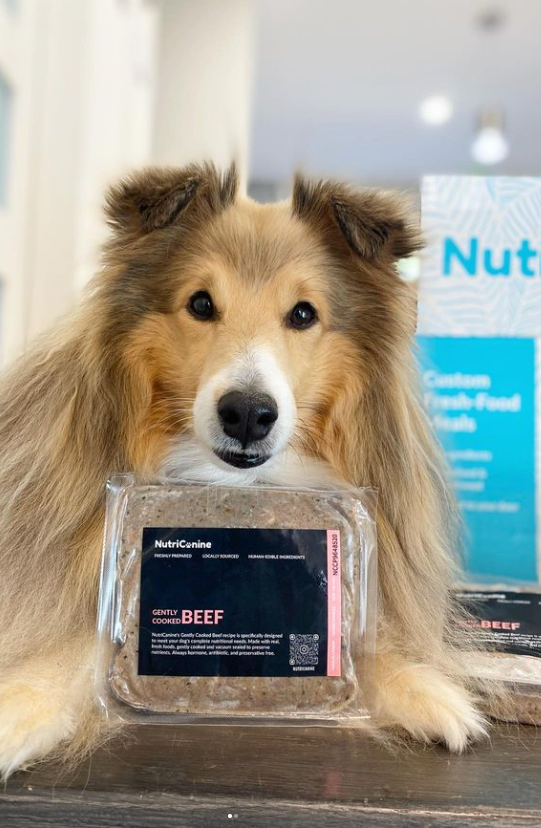
“I have three pups, all picky eaters, and they devoured their meals! I’m so happy to have found a quick, easy and super healthy food.”
 Verified Purchase
Fresh Cooked Dog Food vs Raw | Benefits, Safety, and Nutrition
Many dog owners today are exploring alternatives to traditional kibble, and two options often come up in conversation, fresh cooked diets and raw diets. Both approaches move away from heavily processed food and focus on whole ingredients, but there are important differences between them. For many dogs and their families, fresh cooked food offers the nutritional advantages of whole ingredients while avoiding many of the risks associated with raw feeding.
Here is a closer look at why fresh cooked dog food is often the better choice.

Improved Food Safety
One of the biggest concerns with raw dog food is bacterial contamination. Raw meat can carry pathogens such as Salmonella, Listeria, and Escherichia coli. These bacteria naturally occur in raw animal products and can persist during handling, storage, and feeding.
Some advocates of raw feeding argue that dogs are naturally equipped to handle these pathogens because of their shorter digestive tracts and more acidic stomachs. However, research shows that dogs can still become ill from contaminated food. Puppies, senior dogs, and dogs with compromised immune systems may be especially vulnerable to infection.
Dogs Can Carry and Spread Harmful Bacteria
Even when dogs show no obvious signs of illness, they can still carry and shed harmful bacteria after eating contaminated raw food. Pathogens may be present in their saliva, on their fur, and in their stool.
This creates a potential risk for people in the household, particularly young children, elderly individuals, and anyone with a weakened immune system. Everyday interactions, such as petting a dog after a meal, picking up toys, or cleaning up in the yard, can expose family members to these bacteria.
Research has also shown that dogs fed raw diets can actively spread pathogens into their environment. In a study published in the Canadian Veterinary Journal, researchers fed dogs a commercially available raw diet contaminated with Salmonella and monitored them for bacterial shedding. Although the dogs appeared healthy, 7 out of 16 began shedding Salmonella in their feces within one to seven days after eating the contaminated food. Several dogs shed the exact same bacterial strains found in the diet, confirming that the pathogen had passed through the dog and into the environment.
Other research has reported similar findings. Dogs eating raw meat based diets are significantly more likely to carry and shed bacteria such as Salmonella, Campylobacter, and Escherichia coli in their feces compared with dogs fed conventional diets. This means that even when a dog appears healthy, they may still be spreading pathogens around the home through saliva, stool, and contact with household surfaces.
Why Fresh Cooked Dog Food Is Safer
Fresh cooked dog food provides a much safer alternative. Gentle cooking temperatures effectively eliminate harmful bacteria while preserving most of the nutritional value of the ingredients.
When food is properly cooked and handled under sanitary conditions, the risk of bacterial contamination is dramatically reduced. For many pet parents, this added level of safety provides peace of mind.
They can feel confident knowing that their dog’s meals are not only nutritious and highly digestible, but also safer to prepare, serve, and store in the home. By eliminating many of the most common foodborne pathogens associated with raw diets, fresh cooked dog food helps protect both canine health and the wellbeing of the entire household.

Better Nutrient Availability
Fresh cooked dog food offers superior nutrient availability compared to raw or heavily processed diets. Gentle cooking alters the physical and chemical structure of food in ways that enhance digestibility and nutrient absorption. Proteins, for example, undergo denaturation when exposed to heat, which unfolds their complex three-dimensional structures. This process exposes peptide bonds to digestive enzymes such as pepsin and trypsin, allowing dogs to efficiently break down proteins into absorbable amino acids. Amino acids are essential for tissue repair, muscle maintenance, and immune function, so improved protein digestibility directly supports overall health.
Carbohydrates are similarly affected by cooking. Starches in vegetables like potatoes, squash, and pumpkin gelatinize when heated, breaking down complex carbohydrate chains into simpler forms. This makes them easier for dogs to digest and convert into glucose for energy. Without cooking, some of these carbohydrates remain resistant to enzymatic breakdown, passing through the gastrointestinal tract largely unused and potentially causing digestive discomfort.
Cooking also enhances the bioavailability of micronutrients and phytonutrients. Vegetables such as carrots, spinach, and squash contain carotenoids and polyphenols, which are often locked within rigid plant cell walls. Gentle cooking disrupts these walls, releasing antioxidants, vitamins A, C, and E, and other phytonutrients, making them more accessible to absorption in the small intestine. Studies have shown that lightly cooked vegetables can contain higher levels of bioavailable beta-carotene and lutein compared to their raw counterparts, which is particularly important for supporting vision, skin health, and immune function in dogs.
Unlike dry kibble, which is exposed to high-temperature extrusion that can degrade heat-sensitive vitamins, enzymes, and omega-3 fatty acids, fresh cooked diets employ controlled, low-temperature cooking methods. This preserves delicate nutrients while still improving digestibility. The result is a diet that maximizes nutrient retention, supports gut health, and ensures dogs are receiving the essential building blocks they need for long-term wellness.

More Consistent Nutritional Balance
Achieving precise nutritional balance is a critical challenge in many raw feeding approaches. Dogs require exact levels of essential nutrients, including calcium, phosphorus, essential fatty acids, trace minerals, and vitamins, to support healthy growth, organ function, and overall well-being. Homemade raw diets frequently fall short of these targets, and even some commercial raw products may have inconsistent nutrient profiles due to variations in sourcing, processing, and formulation.
Fresh cooked diets, when professionally formulated, are carefully balanced to meet or exceed established canine nutritional standards such as those set by the Association of American Feed Control Officials (AAFCO). Cooking allows for controlled preparation, accurate portioning of protein, carbohydrates, and fats, and the precise inclusion of vitamins and minerals. This ensures that dogs of all life stages—from rapidly growing puppies to highly active adults and aging seniors—receive consistent and complete nutrition with every meal.
Nutritional precision is especially important for puppies and large-breed dogs, where imbalances in calcium and phosphorus can lead to skeletal issues, or for dogs with specific health concerns, such as kidney disease or pancreatitis, where the balance of macronutrients and micronutrients can directly impact disease management. By providing a consistent nutrient profile, fresh cooked diets support optimal growth, maintain healthy weight, and promote long-term vitality, while reducing the risks associated with dietary deficiencies or excesses commonly found in less controlled feeding methods.

Gentler on Digestion
Fresh cooked dog food is often easier on the digestive system than raw diets due to the way cooking alters the structure of proteins, connective tissues, and plant fibers. Gentle heat denatures protein molecules, making them more accessible to digestive enzymes such as pepsin and trypsin. Similarly, the cooking process softens tough connective tissue in meat, breaking down collagen into gelatin, which is easily absorbed and supports gut health. Fibrous carbohydrates from vegetables, such as carrots, pumpkin, and squash, are partially broken down during cooking, reducing intestinal workload while improving nutrient absorption.
Dogs with sensitive stomachs, chronic gastrointestinal issues, or conditions like pancreatitis benefit significantly from diets that are less taxing to digest. Fresh cooked meals maintain the integrity of whole ingredients while reducing the risk of digestive upset, bloating, and malabsorption. Unlike raw diets, which may carry variable bacterial loads or contain hard-to-digest connective tissue, fresh cooked diets provide a consistent, bioavailable nutrient profile, helping support gut microbiota balance, stable energy levels, and overall gastrointestinal health.

Lower Risk of Bone-Related Injuries
Raw feeding often relies on whole bones to provide dietary calcium and support dental health. While this can offer some nutritional and mechanical benefits, bones carry inherent risks. Chewing large or brittle bones can lead to cracked or broken teeth, oral injuries, gastrointestinal blockages, or even perforations of the stomach or intestines, particularly in small or toy breed dogs.
Fresh cooked diets eliminate these hazards by delivering calcium, phosphorus, and other essential minerals in a controlled, nutritionally precise form. Using measured amounts of calcium-rich ingredients or supplements, such as bone meal, calcium citrate, or mineral blends, ensures dogs receive adequate bone support without the mechanical dangers associated with raw bones. This approach provides the nutritional benefits of a calcium-sufficient diet while minimizing the risks of traumatic injuries, making it particularly suitable for dogs prone to dental issues or digestive sensitivities.
Highly Palatable and Appealing
Dogs are naturally attracted to the aroma, texture, and flavor of fresh cooked meals. The Maillard reaction, which lightly browns proteins during gentle cooking, enhances natural savory flavors, making food more enticing. Combined with the aroma of fresh vegetables and wholesome carbohydrates, these meals appeal to a dog’s senses more effectively than dry kibble or frozen raw diets.
Palatability is particularly important for picky eaters, older dogs with reduced appetite, or dogs recovering from illness. Consistent consumption of nutrient-dense meals supports healthy body condition, maintains lean muscle mass, and ensures adequate nutrient intake. Fresh cooked meals can also encourage positive mealtime behaviors and make feeding a more rewarding experience for dogs, improving compliance with dietary recommendations from veterinarians or nutritionists.

Balanced Nutrition with Whole Ingredients
Fresh cooked diets combine the benefits of minimally processed whole foods with evidence-based nutritional science. High-quality animal proteins supply essential amino acids for tissue maintenance and immune support. Nutrient-rich vegetables provide antioxidants, vitamins, and dietary fiber, supporting overall health, gut function, and anti-inflammatory benefits. Digestible carbohydrates such as sweet potatoes, pumpkin, or squash supply slow-release energy, helping maintain stable blood glucose and supporting sustained activity levels.
Because ingredients are gently cooked rather than heavily processed, nutrients are preserved, and the food remains recognizable. This transparency in ingredient sourcing and preparation ensures dogs receive a wholesome diet free from unnecessary fillers, artificial additives, or heavily refined meat meals. Nutrient levels can be carefully formulated to meet or exceed established canine nutritional standards, offering precise, balanced, and reliable nutrition that supports growth, maintenance, and long-term health.
What Veterinarians and Nutritionists Say About Raw vs Fresh Dog Food
When it comes to canine nutrition, veterinary professionals and certified animal nutritionists emphasize safety, digestibility, and balanced nutrient intake as the cornerstones of a healthy diet. While raw diets have gained popularity for their “natural” approach, many veterinarians raise concerns about bacterial contamination, nutrient imbalances, and the physical risks associated with raw bones. Studies have shown that raw meat can carry pathogens such as Salmonella, Listeria, and Escherichia coli, which pose health risks not only to dogs but also to humans handling the food. Even healthy adult dogs with robust digestive tracts are not immune to these pathogens, and dogs with compromised immunity, gastrointestinal conditions, or young puppies are particularly vulnerable.
Certified veterinary nutritionists often advocate for fresh cooked diets as a safer alternative. Gentle cooking eliminates harmful bacteria while preserving nutrient integrity, making nutrients more bioavailable and reducing the digestive workload. Unlike raw diets, which can vary in nutrient content depending on the source and preparation method, professionally formulated fresh cooked meals are designed to meet established canine nutritional standards, including precise levels of essential amino acids, vitamins, minerals, and fatty acids.
In addition to safety and nutrition, veterinarians note that fresh cooked diets can be easier to digest, especially for dogs with sensitive stomachs or chronic gastrointestinal issues. The controlled inclusion of high-quality proteins, digestible carbohydrates, and fiber-rich vegetables supports gut health, stable energy, and overall well-being.
Ultimately, veterinary and nutritional experts stress that diet choice should be evidence-based, focusing on health outcomes rather than trends. Fresh cooked diets combine the appeal of whole, minimally processed ingredients with scientific formulation, offering dogs the benefits of natural foods while minimizing the risks associated with raw feeding. This makes fresh cooked meals a practical, veterinarian-approved option for many pet owners seeking balanced, safe, and sustainable nutrition for their dogs.
The Risks of Raw Food Diets With Dr. Michele Drake
Dr. Michele Drake discusses raw food diets and the risks in her latest video.
Why Pet Owners Should Consider NutriCanine Over a Raw Diet
Choosing the right diet for your dog can be overwhelming, especially with the rise of raw feeding trends. NutriCanine offers a scientifically formulated fresh cooked alternative that prioritizes both safety and nutrition, addressing many of the challenges associated with raw diets.
At NutriCanine, every recipe is developed and reviewed with the guidance of an on-staff pet nutritionist. This ensures that each meal is not only delicious but also scientifically balanced to meet the unique nutritional needs of dogs at every life stage. With expertise in veterinary nutrition and ingredient functionality, our nutritionist carefully selects high-quality proteins, nutrient-rich vegetables, and digestible carbohydrates, formulating meals that support overall health, digestive comfort, and long-term well-being. Having a dedicated professional on staff allows NutriCanine to maintain the highest standards of safety, consistency, and nutritional precision in every batch we prepare.
Safety is another key consideration. Raw meat can carry harmful pathogens like Salmonella and E. coli, posing risks to both pets and their families. NutriCanine’s gentle cooking process eliminates these bacteria while preserving nutrient integrity, making mealtime safer without compromising quality or taste.
Digestibility and palatability are additional reasons to choose NutriCanine. Gently cooked proteins, vegetables, and digestible carbohydrates are easier on the digestive system than raw meat and bones. Dogs enjoy the aroma and texture of fresh meals, which supports appetite, healthy body weight, and overall vitality.
Finally, NutriCanine provides convenience without sacrificing nutrition. Meals are portioned, ready-to-serve, and made from whole, high-quality ingredients. Pet owners can enjoy the benefits of a fresh, balanced diet for their dogs without the time-consuming preparation and risk management that raw feeding often requires.
For pet owners seeking a practical, safe, and scientifically supported alternative to raw feeding, NutriCanine delivers the best of both worlds: wholesome, nutrient-rich ingredients combined with the precision and safety of professional formulation. Choosing NutriCanine means providing your dog with a diet designed for health, longevity, and everyday enjoyment.

The Bottom Line
Both raw and fresh cooked diets move beyond ultra-processed kibble and prioritize higher-quality ingredients, yet fresh cooked dog food offers advantages in safety, digestibility, and nutritional control. Gentle cooking eliminates harmful pathogens, enhances digestibility, and allows for precise formulation of vitamins, minerals, and macronutrients.
For dog owners seeking a practical, balanced, and safe approach to nutrition, fresh cooked meals provide the best of both worlds: the benefits of whole, minimally processed ingredients combined with scientific formulation for optimal canine health. From digestive comfort to nutrient bioavailability and palatability, fresh cooked diets support a dog’s long-term well-being, offering a reliable, wholesome option that can be tailored to each dog’s unique needs.