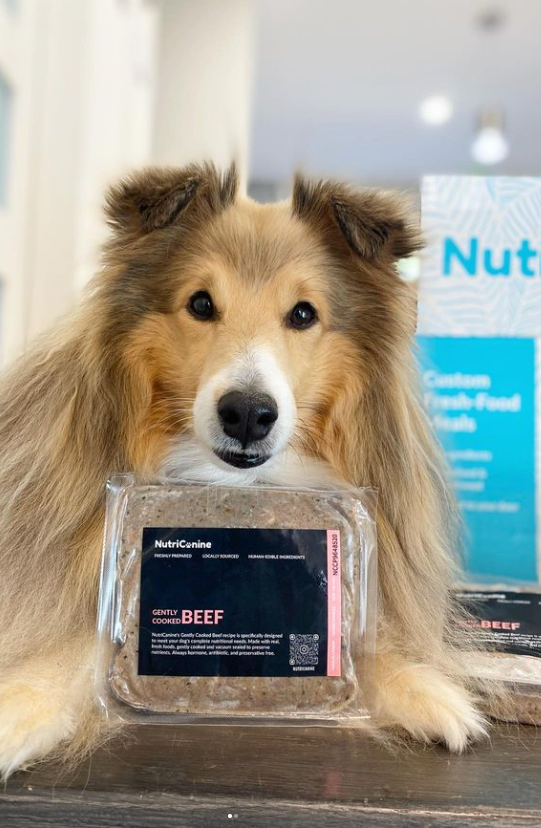
“I have three pups, all picky eaters, and they devoured their meals! I’m so happy to have found a quick, easy and super healthy food.”
 Verified Purchase
Why Is My Dog Gassy? Diet Fixes for Flatulence and Farts
It happens to the best of us: your dog lets out a loud fart, and the room quickly fills with an unpleasant odor. While occasional flatulence is normal for dogs, excessive or particularly foul-smelling gas can indicate underlying issues that may need attention. Fortunately, a dog’s diet plays a significant role in controlling flatulence, and making strategic adjustments can improve the situation dramatically.

Causes of Flatulence in Dogs
Understanding why your dog is gassy is the first step to solving the issue. Here are the primary causes:
1. Dietary Indiscretion
Dogs are known to have indiscriminate eating habits. They might consume spoiled food, table scraps, or non-food items, leading to digestive upset and gas. Additionally, scavenging behavior may expose them to foods that are difficult to digest or ferment excessively in their gastrointestinal tract, causing excessive gas.
2. Low-Quality Diets
A diet containing fillers, low-quality protein sources, or excessive amounts of soy, wheat, or corn can contribute to flatulence. These ingredients are often harder for dogs to break down, leading to fermentation in the gut, which produces gas as a byproduct. Furthermore, artificial additives and preservatives in low-quality dog food can irritate the digestive system, exacerbating the issue.
3. Food Intolerances or Allergies
Certain ingredients, such as dairy, gluten, or specific proteins, can cause digestive distress in dogs with sensitivities or allergies. These intolerances may lead to poor nutrient absorption, bloating, and flatulence. For example, lactose intolerance is common in dogs, making dairy products a frequent culprit.
4. Swallowed Air
Dogs that eat too quickly or are prone to gulping water or air while eating may swallow excess air, leading to gas buildup in their gastrointestinal tract. This is particularly common in breeds with deep chests or those that are highly food-motivated. Swallowed air doesn’t always exit as a burp and often moves further into the digestive tract, resulting in flatulence.
5. Breed Predispositions
Certain breeds are more prone to flatulence than others due to their anatomy or dietary needs. For example, brachycephalic breeds like Bulldogs and Pugs tend to swallow more air while eating, which increases the likelihood of gas. Additionally, large breeds may have slower digestion, which can lead to fermentation and gas production.
From Rottweilers to Yorkies, Bulldogs to Beagles, we'll give you the lowdown on why these breeds are particularly prone to flatulence.
6. Gut Microbiome Imbalance
An imbalance in the gut’s beneficial bacteria can lead to excessive fermentation and gas production. The gut microbiome plays a vital role in digestion, and disruptions—such as those caused by antibiotics, stress, or poor diet—can create an environment where harmful, gas-producing bacteria thrive.
7. Medical Conditions
Flatulence can also be a symptom of medical conditions such as irritable bowel syndrome (IBS), pancreatic insufficiency, or intestinal parasites. Pancreatic insufficiency, for instance, reduces the production of digestive enzymes, making it difficult for dogs to properly digest their food. This leads to fermentation in the intestines, a primary cause of gas. Similarly, parasitic infections can cause inflammation and disrupt the normal digestive process, resulting in flatulence.
8. Aging
As dogs age, their digestive efficiency often decreases. Older dogs may experience slower gut motility and reduced production of digestive enzymes, both of which can contribute to gas buildup. Aging can also bring about changes in the gut microbiome, making older dogs more prone to flatulence.

Diet Fixes for Dog Flatulence
To reduce your dog’s flatulence, a tailored approach to their diet is essential. Below are science-backed strategies to help.
1. Switch to a High-Quality, Easily Digestible Diet
Feeding your dog a diet made from high-quality, whole-food ingredients reduces the risk of gas. Look for foods with named protein sources, such as chicken, turkey, or beef, and avoid products with vague terms like “meat by-products.” Additionally, opt for diets that minimize fillers like corn, soy, and wheat. High-quality diets often contain fewer fermentable ingredients, which reduces gas production in the gut.
2. Avoid Gassy Foods
Certain ingredients are notorious for causing flatulence. Limit or eliminate:
- Cruciferous vegetables (e.g., cauliflower, cabbage, brussel sprouts)
- Legumes (e.g., lentils, chickpeas, soybeans)
- Dairy products
A study published in Veterinary Sciences (Smith et al., 2020) found that dogs fed diets rich in fermentable fibers like legumes experienced increased flatulence compared to those on low-fiber diets. Replacing these foods with easily digestible carbohydrates such as white rice or sweet potatoes can help.
3. Slow Down Mealtime
If your dog gulps food, consider using a slow-feeder bowl or feeding smaller, more frequent meals. This reduces the likelihood of swallowed air and helps prevent gas buildup. Another helpful strategy is to place a large, clean object like a ball in the food bowl, encouraging your dog to eat around it and slow down their consumption.
4. Probiotics for Gut Health
Adding probiotics to your dog’s diet can support a healthy gut microbiome, which plays a crucial role in digestion. Probiotics introduce beneficial bacteria that compete with harmful, gas-producing bacteria. Research published in Journal of Animal Physiology and Animal Nutrition (Yang et al., 2019) demonstrated that dogs supplemented with probiotics had reduced flatulence and improved overall digestive health. Look for probiotic products specifically formulated for dogs and introduce them gradually to avoid initial digestive upset.
5. Elimination Diet for Allergies
If food intolerances are suspected, consider an elimination diet. This involves feeding a novel protein and carbohydrate source (e.g., venison and sweet potato) to identify potential allergens. Work with your veterinarian or a pet nutritionist for guidance. The elimination phase typically lasts 8-12 weeks, during which all other foods and treats are avoided.
6. Prebiotic Fiber
Prebiotic fibers, such as inulin or psyllium, can promote the growth of beneficial gut bacteria while minimizing harmful gas-producing bacteria. However, these should be added in moderation to avoid over-fermentation. Prebiotics work in tandem with probiotics, creating an optimal environment for gut health. Foods like bananas, chicory root, and oats naturally contain prebiotic fibers and can be added in small amounts to your dog’s diet.
7. Hydration
Ensure your dog stays well-hydrated, as water aids in digestion and helps prevent constipation, a common contributor to gas. Encourage water consumption by providing fresh, clean water throughout the day and consider adding water to dry food to improve its digestibility.
8. Supplement Digestive Enzymes
Digestive enzyme supplements can aid dogs that struggle with breaking down certain food components. These enzymes assist in the digestion of proteins, carbohydrates, and fats, reducing the risk of fermentation and gas production. Supplements are particularly beneficial for older dogs or those with pancreatic insufficiency.
9. Feed Fresh, Minimally Processed Foods
Fresh or lightly cooked meals are easier to digest than heavily processed kibble, reducing the likelihood of gas. Fresh food diets provide balanced nutrition while avoiding common culprits like fillers and artificial preservatives. Transition your dog to fresh food gradually to prevent temporary digestive upset.
10. Add Ginger or Fennel
Ginger and fennel have natural carminative properties, meaning they help reduce gas and bloating. These can be added to your dog’s meals in small, dog-safe amounts to soothe their digestive tract.

Recommendation from a Nutritionist
Andrea, Director of Nutrition at NutriCanine and a companion animal nutritionist with expertise in canine digestive health, emphasizes the importance of individualized diets. She explains that flatulence is often a sign that your dog’s digestive system isn’t thriving, and the right diet can make a world of difference.
“Start by examining the ingredient list on your dog’s current food,” Andrea advises. “Avoid artificial additives and prioritize whole food ingredients. For dogs prone to gas, fresh cooked foods are more digestible and reduce the risk of fermentation in the gut.”
Andrea is a companion animal nutritionist with a master’s degree in veterinary nutrition and toxicology from the University of Saskatchewan. As Director of Nutrition at NutriCanine, she combines her academic expertise and lifelong passion for animal health to develop science-backed, personalized meal plans that promote the well-being of dogs.
Why NutriCanine Fresh Food Is the Perfect Fit for Your Gassy Pup
At NutriCanine, we specialize in fresh, customized meal plans designed to support optimal digestive health. Our recipes are crafted with:
-
Whole Food Ingredients: We use premium-quality human-grade meats and vegetables that are gentle on your dog’s stomach. With no highly processed ingredients, fresh meals retain more nutrients and are easier for dogs to digest, reducing the risk of gas.
-
Customizable Options: Our meals are tailored to your dog’s specific needs, ensuring they receive the right balance of nutrients without unnecessary fillers or allergens.
-
Transparency and Traceability: We’re proud to work with trusted local suppliers, ensuring every ingredient in our recipes is high quality and ethically sourced.
Featuring NutriCanine’s New Pork Recipe:
Our fresh-cooked Pork Recipe is specially designed for dogs with sensitive stomachs or digestion concerns. Made with highly digestible pork as the primary protein, this recipe also includes added probiotics and digestive enzymes to help improve nutrient absorption, support a balanced gut microbiome, and reduce common digestive issues like bloating and gas. It’s a gentle, flavorful option that dogs love — and pet parents trust for better tummy health.

According to our “pupstomers”, dogs that switch to NutriCanine’s fresh food often experience fewer digestive issues, including flatulence. Testimonials from happy pet parents consistently praise our meals for improving their dog’s digestion and overall well-being.
Take Home Message
Flatulence in dogs may be embarrassing or inconvenient, but it’s usually manageable with the right dietary adjustments. By feeding a high-quality, easily digestible diet, avoiding common gas-producing ingredients, and supporting gut health, you can significantly reduce your dog’s gassiness. For a trusted solution, consider NutriCanine’s fresh, personalized meal plans, designed with your dog’s health and happiness in mind.
References
-
Smith, J. et al. (2020). "Impact of Dietary Fiber on Canine Flatulence and Digestive Health." Veterinary Sciences, 7(3), 45-56.
-
Yang, C. et al. (2019). "Effects of Probiotic Supplementation on Canine Gastrointestinal Microbiota and Flatulence." Journal of Animal Physiology and Animal Nutrition, 103(4), 987-996.
-
Martinez, M. et al. (2021). "Elimination Diets for Food Allergies in Dogs: A Veterinary Perspective." Journal of Veterinary Internal Medicine, 35(6), 2542-2551.
-
Jones, P. et al. (2018). "The Role of Prebiotic Fibers in Managing Digestive Health in Dogs." Animal Nutrition, 4(2), 92-102.