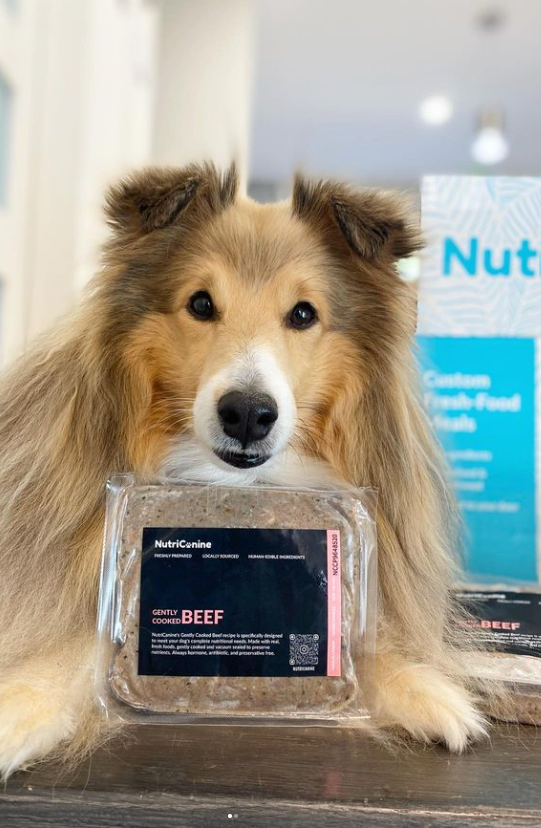
“I have three pups, all picky eaters, and they devoured their meals! I’m so happy to have found a quick, easy and super healthy food.”
 Verified Purchase
Quick Stats About the Standard Schnauzer


Height 17–20 inches

Weight 30–50 lbs

Lifespan 13–16 years

Energy level High

Shedding Low

Grooming Moderate
Breed Group
Working
Demeanor
Spirited, alert, and highly adaptable
Temperament
Loyal, clever, and energetically playful
Standard Schnauzer: Everything You Need to Know

The Standard Schnauzer is the original and middle-sized member of the Schnauzer family, predating both the Miniature and Giant varieties by centuries. Originating in Germany during the Middle Ages, this versatile breed was prized as a ratcatcher, herding dog, and loyal family guardian. Today, the Standard Schnauzer remains a bold, spirited companion prized for its intelligence and unwavering loyalty. They are easily recognized by their distinctive bushy eyebrows, wiry double coat, and whiskered muzzle. Standard Schnauzers are highly energetic and thrive when given a job to do or plenty of mental stimulation. Despite their medium size, they carry a commanding presence and a fearless temperament. They bond deeply with their families and can be protective without being aggressive when properly socialized. Their low-shedding coat makes them a popular choice for allergy-sensitive households. Because of their working heritage, Standard Schnauzers require consistent exercise, engaging training, and a nutritionally balanced diet to perform at their best. Understanding the breed's unique physical and temperamental traits is the first step to giving your Schnauzer a long, healthy, and joyful life.
Create the Perfect Meal Plan for Your Standard SchnauzerWhat Makes a Standard Schnauzer Unique
The Standard Schnauzer holds the distinction of being one of Germany's oldest and most versatile breeds, with roots stretching back to at least the 15th century. Unlike many breeds developed for a single task, the Standard Schnauzer was bred as an all-purpose farm dog capable of herding, hunting vermin, guarding property, and serving as a devoted companion. Their hypoallergenic-friendly, low-shedding coat is a rare combination of practicality and elegance. Standard Schnauzers are exceptionally adaptable—equally at home in an apartment with daily exercise as in a house with a large yard. They have an uncanny ability to read human emotions and respond with empathy, making them excellent therapy and emotional support candidates. Their square, athletic build gives them surprising stamina and agility for their size. Unlike many working breeds, the Standard Schnauzer maintains a playful sense of humour well into adulthood. They are known to be particularly sensitive to their owner's mood, often mirroring their emotional state. Their fearless yet measured temperament makes them outstanding watchdogs who bark purposefully rather than incessantly. From the show ring to the hiking trail to the family couch, the Standard Schnauzer truly does it all.
Create a Meal Plan That Caters to Your Standard Schnauzer's Unique Needs
Health Considerations for Standard Schnauzer
Like all purebred dogs, the Standard Schnauzer has a set of health conditions they are more predisposed to than other breeds. Being informed about these risks allows owners to take preventive action, schedule appropriate screenings, and make dietary and lifestyle choices that minimize their impact. Many of these conditions are directly influenced by nutrition, making diet one of the most powerful tools in a Standard Schnauzer owner's preventive health toolkit. The following are among the most important health considerations for this breed.
Hip Dysplasia
Hip dysplasia is a hereditary condition in which the hip joint develops abnormally, causing the femoral head to fit loosely within the hip socket. In Standard Schnauzers, this can lead to pain, inflammation, and progressive arthritis as the dog ages. Affected dogs may display signs such as reluctance to run or jump, stiffness after rest, and a swaying gait. Maintaining a healthy body weight is one of the most effective strategies for managing and reducing the impact of hip dysplasia, as excess weight places additional stress on already compromised joints. A diet rich in anti-inflammatory nutrients—such as omega-3 fatty acids from high-quality fish or flaxseed—can help reduce joint inflammation and support cartilage health. NutriCanine's fresh, portioned meal plans help ensure your Schnauzer maintains an ideal body condition, reducing strain on the hips throughout their life.
Follicular Cysts
Standard Schnauzers are somewhat predisposed to follicular cysts—benign, fluid-filled sacs that form in hair follicles, typically along the back. While usually not dangerous, they can become infected or rupture if left untreated, leading to discomfort and secondary skin issues. Routine grooming and coat inspection are essential for early detection. A diet that supports skin and coat health—one rich in omega-6 and omega-3 fatty acids, zinc, and biotin—can help maintain follicle integrity and reduce the likelihood of cyst formation. Fresh, whole-food ingredients provide bioavailable nutrients that support skin barrier function far more effectively than heavily processed kibble. If your Schnauzer develops recurring cysts, a veterinarian should evaluate for underlying dietary deficiencies or hormonal imbalances.
Hyperlipidemia
Standard Schnauzers have a genetic predisposition to hyperlipidemia—elevated levels of lipids (fats) in the bloodstream. This condition is believed to be more prevalent in this breed than in most others and can lead to pancreatitis, eye conditions such as lipid corneal dystrophy, and neurological symptoms in severe cases. Dogs with hyperlipidemia typically require a low-fat diet managed carefully to prevent triglyceride spikes. Choosing a meal plan that uses lean protein sources and controls fat content appropriately is critical. NutriCanine's customizable plans allow for fat-content adjustments tailored to each dog's specific health needs, based on vet guidance. Regular bloodwork to monitor lipid panels is recommended for all Standard Schnauzers, especially as they enter middle age.
Dilated Cardiomyopathy (DCM)
Although less common than in giant breeds, Standard Schnauzers can develop dilated cardiomyopathy—a condition where the heart muscle weakens and the heart enlarges, reducing its ability to pump blood effectively. Symptoms can include exercise intolerance, laboured breathing, coughing, and fainting. Taurine and L-carnitine deficiencies have been studied in relation to DCM in dogs, and ensuring adequate intake of these amino acids through diet may be protective. Fresh protein sources like beef and chicken naturally contain taurine and carnitine, whereas some highly processed diets may have lower bioavailable levels. A heart-healthy diet combined with routine veterinary cardiac monitoring gives Standard Schnauzers the best defence against this condition. If DCM is diagnosed, a veterinary cardiologist should guide any dietary modifications alongside appropriate medical treatment.

Nutrition for Every Stage and Need
Proper nutrition plays a central role in the health and vitality of the Standard Schnauzer at every stage of life. Because this breed is prone to hyperlipidemia and other metabolic sensitivities, diet quality and composition deserve especially careful attention. NutriCanine's fresh, human-grade meal plans are formulated to meet AAFCO guidelines for all life stages, making it easy to feed your Schnauzer with confidence.
Nutrition for Standard Schnauzer Puppies

Standard Schnauzer puppies are energetic little powerhouses that need a diet rich in high-quality protein to fuel muscle and tissue development. Calcium and phosphorus in the correct ratio are essential for building a strong skeletal frame, particularly during the rapid growth phase between two and eight months. Puppies also need adequate DHA (an omega-3 fatty acid) to support healthy brain and vision development. Because Standard Schnauzers can carry the genetic predisposition to hyperlipidemia, it's wise to start monitoring fat intake early under veterinary guidance. Fresh, whole-food puppy diets ensure that growing Schnauzers receive bioavailable nutrients without the excess fillers or artificial preservatives found in many commercial puppy foods.
Nutrition for Adult Standard Schnauzers
Adult Standard Schnauzers need a balanced diet that sustains their high energy levels while protecting against the breed's known predisposition to hyperlipidemia. Lean, high-quality protein sources—such as chicken, turkey, or fish—help maintain muscle mass without contributing excess fat to the diet. Omega-3 fatty acids from fish or flaxseed support joint health and skin condition, which is particularly relevant for this coat-heavy breed. Portion control is essential, as Standard Schnauzers can gain weight if activity levels decrease but food intake remains the same. Fibre from wholesome vegetables supports healthy digestion and keeps blood lipid levels in check.
Nutrition for Senior Standard Schnauzers
As Standard Schnauzers age—typically entering their senior years around eight or nine years old—their metabolism slows and their caloric needs decrease. Protein remains critically important in the senior diet to help preserve muscle mass, which naturally declines with age. Joint-supporting nutrients like glucosamine, chondroitin, and omega-3 fatty acids become even more relevant as the risk of arthritis and hip-related issues increases. Digestive efficiency also decreases with age, making highly digestible, fresh whole-food ingredients preferable to heavily processed options. Senior Schnauzers are also more susceptible to cardiac changes, so continued monitoring of taurine and L-carnitine status is worthwhile.
Nutrition for Overweight Standard Schnauzers
Weight gain in Standard Schnauzers is particularly concerning given the breed's genetic susceptibility to hyperlipidemia and the added joint stress that extra weight places on their compact, athletic frame. Overweight dogs should be transitioned to a calorie-controlled diet that still provides complete and balanced nutrition. Reducing fat content carefully while maintaining adequate protein helps preserve lean muscle mass during weight loss. Increasing dietary fibre through wholesome vegetables can promote satiety without adding excess calories. It is important not to simply reduce portion size of a regular diet, as this can lead to nutrient deficiencies—instead, a purpose-formulated weight management approach is key.
Nutrition for Standard Schnauzers with Sensitivities
Some Standard Schnauzers develop food sensitivities or allergies, commonly manifesting as skin irritation, gastrointestinal upset, or chronic ear infections. Identifying the offending ingredient through an elimination diet is the standard approach and requires feeding a limited-ingredient diet with novel proteins for eight to twelve weeks. Fresh food diets are often easier to manage for elimination protocols because ingredients are transparent and traceable—unlike many commercial kibbles where sourcing and cross-contamination are harder to control. Common triggers include certain proteins (like beef or chicken), grains, and artificial additives. Once the offending ingredient is identified, a long-term diet plan can be built around well-tolerated proteins and whole, clean ingredients.
Give Your Standard Schnauzer the Nutrition They Deserve
The Standard Schnauzer is an extraordinary breed—intelligent, loyal, adaptable, and full of life. Fuelling that life with the right nutrition is one of the most meaningful investments you can make in your Schnauzer's well-being. Fresh, human-grade food with transparent ingredients supports everything from their distinctive wiry coat to their active muscles and sensitive metabolic needs. NutriCanine's personalized meal plans are built around your individual dog's age, weight, activity level, and health considerations. Every recipe is developed to meet AAFCO guidelines for complete and balanced nutrition, so you never have to wonder whether your Schnauzer is getting what they need. Give your Standard Schnauzer the fresh-food advantage they deserve—because a breed this exceptional deserves nothing less.
Standard Schnauzer Dog Training - Off-Leash and Nature Walk.
Ready to Provide the Best Nutrition for Your Standard Schnauzer?
NutriCanine's personalized meal plans are designed to meet the unique nutritional needs of your Standard Schnauzer. Our fresh, high-quality ingredients ensure your dog gets the best possible nutrition. Start your journey to better health and happiness for your Standard Schnauzer today.
Our Gently Cooked Recipes
- Guided by science
- Made fresh daily
Our recipes, developed by an agronomist, are nutrient-rich, delicious, and complete and balanced, meeting AAFCO guidelines.

Grain Free
Chicken Recipe
Bowl lickin' good - bet we don't keep our recipe a secret! For healthier skin and coat with nutrient-dense broccoli and carrots.
Learn More
Low Fat
Turkey Recipe
Just like your Thanksgiving meal, but specially designed for your dog. For improved digestibility, enhanced by superfood kale and butternut squash.
Learn More
Picky-Eater Approved
Beef Recipe
Perfect for the pickiest eaters and gluten-sensitive dogs with highly digestible rice and antioxidant-rich berries.
Learn More
Heart Healthy
Lamb Recipe
Designed for dogs with allergies and sensitivities, enriched by nutrient-packed green beans and carrots.
Learn More
Hypoallergenic & GI Support
Pork Recipe
Wrap your dog in comfort with every bowl - soothing relief for itchy skin and sensitive tummies, with irresistible flavour.
Learn More