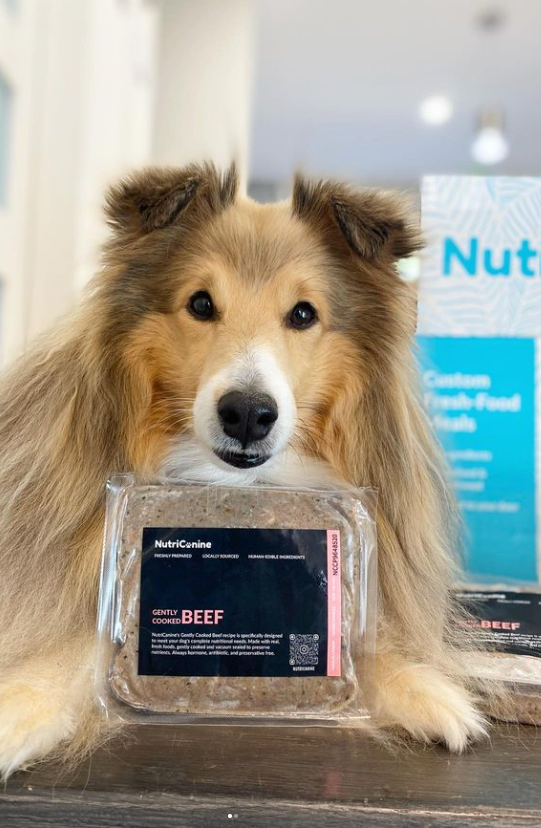
“I have three pups, all picky eaters, and they devoured their meals! I’m so happy to have found a quick, easy and super healthy food.”
 Verified Purchase
Quick Stats About the Shiba Inu


Height 13.5 to 16.5 inches

Weight 17 to 23 lbs

Lifespan 13 to 16 years

Energy level High

Shedding Heavy (seasonal)

Grooming Moderate
Breed Group
Non-Sporting
Demeanor
Alert, confident
Temperament
Loyal, spirited, independent
Shiba Inu: Everything You Need to Know

The Shiba Inu is Japan's most popular native dog breed and one of the oldest and most culturally significant breeds in Asia, with a history that stretches back thousands of years to the mountainous forests of Japan where these compact, agile hunters were used to flush small game including birds and rabbits. The name Shiba Inu translates roughly to small dog or brushwood dog in Japanese, a reference both to the breed's size and to the mountain brushwood terrain in which they worked. The Shiba nearly disappeared entirely following World War II, when bombing raids and a subsequent distemper epidemic reduced the population to critical numbers, and it was only through careful preservation efforts by dedicated Japanese breeders that the breed survived into the modern era. Today the Shiba Inu is not only Japan's most beloved dog but has become a global phenomenon, achieving internet fame through the Doge meme that introduced their distinctive fox-like appearance to millions of people worldwide who had never previously encountered the breed. They are known for their spirited, independent, and cat-like personality, their almost obsessive cleanliness, and their loud and startling vocalization known as the Shiba scream, which they produce when unhappy or overexcited. Shiba Inus form intense bonds with their families while remaining somewhat aloof and self-possessed, a combination that many owners find deeply appealing but that requires experienced, patient ownership to manage well. Their thick double coat, athletic build, and alert, fox-like expression give them an appearance that is immediately striking and widely considered one of the most beautiful in the spitz family. Proper nutrition that supports their active lifestyle, coat health, and long-term wellbeing is an important part of responsible Shiba Inu ownership. With the right care, training, and nutrition, the Shiba Inu is a loyal, spirited, and endlessly captivating companion whose ancient spirit enriches the lives of those willing to meet them on their own terms.
Create the Perfect Meal Plan for Your Shiba InuWhat Makes a Shiba Inu Unique
The Shiba Inu is one of the most genuinely distinctive breeds in the world, combining an ancient Japanese heritage with a personality so specific and consistent that the breed has inspired its own vocabulary among enthusiasts and become one of the most recognizable dogs on the internet in the twenty-first century. Their designation as a natural monument in Japan, granted in 1936, reflects the cultural seriousness with which their preservation is taken and gives them a protected status that almost no other dog breed in the world holds. The three key Shiba traits described in the Japanese breed standard, kan-i, referring to spirited boldness; ryosei, meaning good nature; and soboku, a term for natural beauty and unspoiled simplicity, together capture a dog whose character is considered an expression of Japanese aesthetic values rather than simply a description of behavioral tendencies. The Shiba scream is perhaps the breed's most unexpected and legendary characteristic, a high-pitched, piercing vocalization that has startled and amused owners, veterinary staff, and groomers for generations and that the breed deploys with precise strategic intent when sufficiently displeased. Their near-obsessive cleanliness and self-grooming behavior, their strong preference for personal space, and their tendency to communicate through subtle behavioral cues rather than obvious requests all contribute to the genuinely cat-like quality that Shiba Inu owners frequently reference as one of the most appealing aspects of living with the breed. The Doge internet meme, featuring a Shiba Inu named Kabosu alongside multicolored Comic Sans text, became one of the most widely shared internet phenomena of the 2010s and introduced the breed to a global audience in a way that no deliberate marketing campaign could have achieved. Their long lifespan, which can reach thirteen to sixteen years, means that ownership is a genuinely extended commitment that rewards early investment in training and health with a relationship of extraordinary depth and loyalty. Their thick double coat requires nutritional support to maintain its health and luster, making omega fatty acid intake and high quality protein a meaningful dietary consideration. For those who are prepared for the independence, the Shiba scream, and the particular form of loyalty this breed offers on its own terms, the Shiba Inu is one of the most rewarding and fascinating dogs in existence.
Create a Meal Plan That Caters to Your Shiba Inu's Unique Needs
Health Considerations for Shiba Inu
Shiba Inus are generally a healthy and long-lived breed, reflecting their ancient origins and relatively natural breeding history in Japan. Like all breeds, however, they can be predisposed to certain hereditary and breed-related health conditions that owners should monitor proactively throughout the dog's life. Responsible breeding, regular veterinary care, and balanced nutrition all contribute to supporting the long and active life this breed is known for. Being informed about the most common health concerns helps Shiba Inu owners provide the most attentive and effective care.
Allergies and Skin Sensitivities
Allergies and skin sensitivities are among the most commonly reported health issues in Shiba Inus, manifesting as itching, redness, hot spots, recurring ear infections, or digestive upset triggered by environmental or dietary allergens. Their double coat can sometimes mask early skin irritation, making regular hands-on examination during grooming an important habit for owners. Food sensitivities are a documented concern in the breed, and dietary ingredient quality and variety can meaningfully affect symptom frequency and severity. A limited ingredient diet with high quality, novel protein sources helps reduce dietary antigen exposure in sensitive individuals. Environmental allergies may require veterinary management with antihistamines or other medications alongside dietary support. Proactive veterinary evaluation helps identify the specific type and trigger of allergic reactions and guides the most effective management strategy for each individual dog.
Hip Dysplasia
Hip dysplasia is an orthopedic condition that can affect Shiba Inus and involves abnormal development of the hip joint, leading to instability, discomfort, and progressive joint degeneration over time. While the breed's compact and athletic build provides some natural protection compared to larger breeds, hip dysplasia remains a documented concern that owners and breeders should screen for. Signs can include stiffness after exercise, reluctance to jump or climb, or a subtle change in gait or rear limb movement. Maintaining a healthy body weight reduces stress on the joints and helps manage the condition over time. Balanced nutrition that supports bone and muscle health is beneficial throughout the dog's life. Early veterinary screening and appropriate management allow for better long-term outcomes for affected dogs.
Patellar Luxation
Patellar luxation is a common orthopedic condition in the Shiba Inu and involves the kneecap slipping out of its normal position, causing intermittent limping, skipping, or a held-up leg during movement. The condition ranges from mild cases that require only monitoring to more significant presentations where surgical correction may be recommended. Maintaining a healthy body weight reduces stress on the joints and helps manage mild cases comfortably. Regular veterinary evaluation helps monitor the condition over time and determine the most appropriate management strategy. Balanced nutrition that supports joint and muscle health contributes to long-term comfort and function. Early identification through routine veterinary examination allows for the most proactive and timely approach to management.
Progressive Retinal Atrophy (PRA)
Progressive retinal atrophy is a hereditary eye condition that has been documented in Shiba Inus and causes gradual degeneration of the retina, leading to progressive vision loss over time. Early signs typically include difficulty navigating in dim light or at night, which may progress to broader vision impairment as the condition advances. Genetic testing is available and responsible breeders screen breeding dogs to reduce the likelihood of passing the condition to future generations. While there is currently no treatment to halt or reverse PRA, dogs adapt remarkably well to vision changes with appropriate owner support and environmental management. Regular veterinary eye examinations help monitor progression and inform care decisions. Early detection allows owners to make proactive adjustments to support their dog's quality of life throughout the progression of the condition.

Nutrition for Every Stage and Need
Proper nutrition is essential for supporting the Shiba Inu's athletic build, maintaining the health and luster of their thick double coat, and sustaining the long-term vitality of a breed known for its exceptional longevity. Their active lifestyle, seasonal shedding demands, and sensitivity to dietary allergens all make careful ingredient selection and balanced feeding a meaningful part of responsible ownership at every life stage.
Nutrition for Shiba Inu Puppies

Shiba Inu puppies are energetic and curious from the earliest age and require nutrient-dense food that supports healthy growth and the development of their characteristic double coat. Balanced protein intake from high quality sources provides the essential amino acids needed for muscle development and sustained puppy energy throughout the day. Omega fatty acids are particularly valuable from puppyhood onward, supporting the development of healthy skin and the dense undercoat that defines the breed. Appropriate calcium and phosphorus levels support healthy skeletal development during the growth phase. Feeding structured meals at consistent intervals helps regulate energy levels and supports healthy digestion from the beginning. A strong nutritional start in puppyhood gives Shiba Inu puppies the best foundation for the long, active, and spirited life this breed is known for.
Nutrition for Adult Shiba Inu
Adult Shiba Inus are active, athletic dogs whose diet should support their daily energy needs while prioritizing the coat health and skin integrity that matter especially in a breed prone to allergies and seasonal heavy shedding. High quality, limited-ingredient protein sources help meet energy needs while reducing the dietary antigen load that can trigger allergic responses in sensitive individuals. Omega-3 and omega-6 fatty acids are among the most important dietary components for the Shiba Inu, directly supporting skin moisture, coat density, and a healthy inflammatory response during both shedding seasons and year-round. Digestible carbohydrates provide reliable fuel for daily activity and mental engagement. Portion control maintains the lean, athletic body condition that keeps Shiba Inus agile and comfortable throughout their active adult years. A well-balanced, thoughtfully sourced diet keeps adult Shiba Inus energetic, well-coated, and thriving at their best.
Nutrition for Senior Shiba Inu
Shiba Inus are a remarkably long-lived breed, and many remain active and engaged well into their teens when given appropriate care throughout their lives. Senior dogs benefit from diets that support lean muscle maintenance, joint health, and healthy digestion as their systems gradually become less efficient with age. Easily digestible ingredients support comfortable and effective nutrient absorption in older dogs. Adjusting calorie intake appropriately helps prevent the quiet weight gain that can occur when an older dog's activity level decreases. Continued omega fatty acid support remains important in the senior years for both coat health and joint inflammation management. Thoughtful senior nutrition helps Shiba Inus remain sharp, well-coated, and close to their families through the long senior chapter that this breed so often enjoys.
Nutrition for Overweight Shiba Inu
While Shiba Inus are naturally lean and athletic dogs, weight gain can occur when exercise is insufficient or feeding amounts are not carefully managed. Excess weight reduces their characteristic agility and places additional strain on joints that may already be affected by patellar luxation or hip dysplasia. Calorie-controlled diets support safe and gradual weight loss while maintaining the nutritional quality needed to support coat health and energy. Lean, high quality protein sources help preserve muscle mass during the weight management process. Consistent portion control combined with regular daily exercise is the most effective approach to restoring healthy body condition. A personalized feeding plan helps Shiba Inus return to the lean, agile form that suits both their working heritage and their long-term health.
Nutrition for Sensitive Shiba Inu
Given the Shiba Inu's documented tendency toward allergies and skin sensitivities, a sensitive or limited ingredient dietary approach is among the most meaningful nutritional choices an owner of this breed can make. Diets formulated with novel, high quality protein sources and a short, transparent ingredient list help minimize exposure to common dietary triggers. Hydrolyzed protein formulas may be appropriate for individuals with confirmed food allergies that are contributing to skin or digestive symptoms. Omega fatty acids are especially important for sensitive Shiba Inus, supporting skin barrier function and reducing the inflammatory responses that underlie many allergy-related symptoms. Monitoring your dog's response to individual ingredients over time helps identify the dietary approach that best supports their individual needs. A personalized nutrition plan provides the most targeted and effective support for sensitive Shiba Inus while still fueling their characteristic energy and spirit.
Give Your Shiba Inu the Nutrition They Deserve
Shiba Inus deserve nutrition that matches their ancient spirit, supports their striking coat, and sustains their health across an exceptionally long and active life. Fresh, high quality ingredients provide essential nutrients in a highly digestible form that active spitz-type dogs can efficiently absorb and utilize. Personalized feeding plans ensure your Shiba Inu receives the right portion sizes and the right ingredients based on their age, weight, activity level, and individual sensitivities. NutriCanine meal plans are developed to meet AAFCO nutritional standards using real, human-grade ingredients selected for quality and digestibility. With a customized approach, your Shiba Inu receives the targeted nutrition they need to move with precision, gleam with health, and offer the fierce and loyal companionship that has made this ancient Japanese breed beloved around the world.
Are Shiba Inus Good Pets? 10 Pros and Cons of Owning a Shiba
Ready to Provide the Best Nutrition for Your Shiba Inu?
NutriCanine's personalized meal plans are designed to meet the unique nutritional needs of your Shiba Inu. Our fresh, high-quality ingredients ensure your dog gets the best possible nutrition. Start your journey to better health and happiness for your Shiba Inu today.
Our Gently Cooked Recipes
- Guided by science
- Made fresh daily
Our recipes, developed by an agronomist, are nutrient-rich, delicious, and complete and balanced, meeting AAFCO guidelines.

Grain Free
Chicken Recipe
Bowl lickin' good - bet we don't keep our recipe a secret! For healthier skin and coat with nutrient-dense broccoli and carrots.
Learn More
Low Fat
Turkey Recipe
Just like your Thanksgiving meal, but specially designed for your dog. For improved digestibility, enhanced by superfood kale and butternut squash.
Learn More
Picky-Eater Approved
Beef Recipe
Perfect for the pickiest eaters and gluten-sensitive dogs with highly digestible rice and antioxidant-rich berries.
Learn More
Heart Healthy
Lamb Recipe
Designed for dogs with allergies and sensitivities, enriched by nutrient-packed green beans and carrots.
Learn More
Hypoallergenic & GI Support
Pork Recipe
Wrap your dog in comfort with every bowl - soothing relief for itchy skin and sensitive tummies, with irresistible flavour.
Learn More