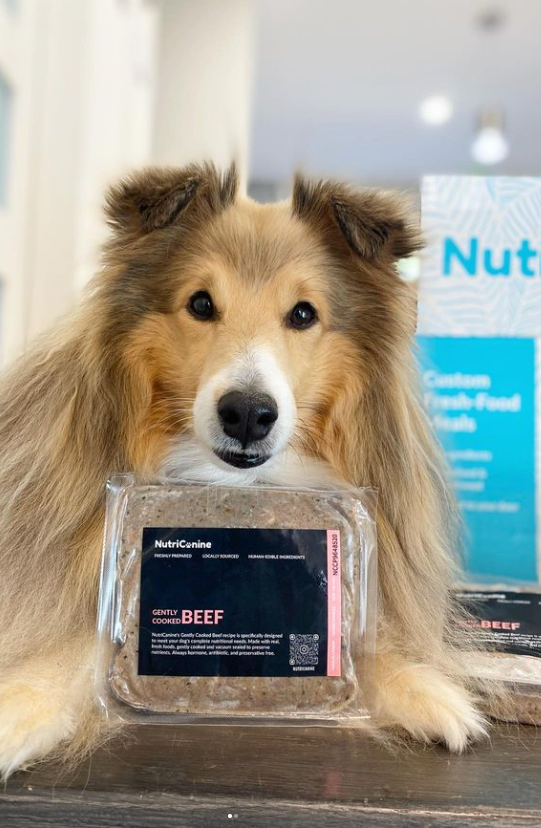
“I have three pups, all picky eaters, and they devoured their meals! I’m so happy to have found a quick, easy and super healthy food.”
 Verified Purchase
Quick Stats About the Rhodesian Ridgeback


Height 24 to 27 inches

Weight 70 to 85 lbs

Lifespan 10 to 12 years

Energy level High

Shedding Low to moderate

Grooming Low
Breed Group
Hound
Demeanor
Dignified, independent
Temperament
Loyal, strong-willed, affectionate
Rhodesian Ridgeback: Everything You Need to Know

The Rhodesian Ridgeback is a powerful, athletic, and deeply loyal breed with a history unlike any other dog in the world. Originally developed in southern Africa, these dogs were bred by the Khoikhoi people and later refined by European settlers to serve as versatile hunting companions capable of tracking and holding large game, including lions, in the African bush. The breed takes its name from the distinctive ridge of backward-growing hair that runs along the spine, a hallmark feature inherited from the Khoikhoi's semi-domesticated hunting dogs. Today Rhodesian Ridgebacks are valued as devoted family companions, confident watchdogs, and endurance athletes. They are known for their independence, their quiet dignity, and their deep affection for the people they love. Despite their imposing size and working heritage, many Ridgebacks are gentle and playful within the home. Their short, dense coat and athletic build make them well-suited to active families who enjoy outdoor exercise. Supporting their muscular frame, joint health, and sustained energy through balanced nutrition is an important part of caring for this breed. Understanding the Ridgeback's character and physical needs helps owners provide a life in which this remarkable dog truly thrives. With the right care and nutrition, the Rhodesian Ridgeback is an extraordinary companion built for adventure and devoted to family.
Create the Perfect Meal Plan for Your Rhodesian RidgebackWhat Makes a Rhodesian Ridgeback Unique
The Rhodesian Ridgeback is one of the most distinctive and historically significant dog breeds in the world, carrying a legacy shaped by both African indigenous culture and the practical demands of big game hunting on a demanding continent. Their iconic dorsal ridge is a biological trait found in only a handful of dog breeds globally, making it one of the most recognizable physical features in the canine world. Historically, these dogs were used to track and bay lions while hunters approached on horseback, a role that demanded extraordinary courage, stamina, and intelligence in equal measure. That heritage lives on today in the Ridgeback's fearless nature, remarkable endurance, and independent decision-making. Unlike many hound breeds, Ridgebacks are versatile and can function equally well as a family companion, a jogging partner, or an alert and capable watchdog. Their short coat makes them surprisingly easy to maintain for a large breed, while their minimal drooling and low odor make them a practical choice for indoor living. Ridgebacks are deeply devoted to their families and often show a gentle, almost cat-like selectivity in their affection. They are natural athletes built for distance, thriving in active households that can match their energy and love of outdoor adventure. Their strong prey drive means they are best kept in securely fenced environments, but within those boundaries they are joyful, loyal, and entertaining companions. Nutrition that supports their athletic build, joint health, and sustained endurance is central to helping Rhodesian Ridgebacks live at their full potential.
Create a Meal Plan That Caters to Your Rhodesian Ridgeback's Unique Needs
Health Considerations for Rhodesian Ridgeback
Rhodesian Ridgebacks are generally a healthy and robust breed, but like all large dogs they can be predisposed to certain orthopedic, hereditary, and breed-specific health conditions. Responsible breeding, regular veterinary care, and balanced nutrition all contribute to long-term health and quality of life. Maintaining an appropriate body weight is especially important for protecting joints and supporting the endurance that defines this breed. Being informed about common health concerns allows owners to monitor their Ridgeback proactively and seek veterinary guidance early when needed.
Dermoid Sinus
Dermoid sinus is a congenital condition that is unique to the Rhodesian Ridgeback and involves a tube-like structure that forms along the spine during fetal development. The condition occurs when the skin and neural tube fail to separate completely, resulting in a channel that can lead to infection or neurological complications if left untreated. Mild cases may go undetected for some time, while more severe forms can cause pain, swelling, or signs of spinal involvement. Surgical removal is the recommended treatment and, when performed early, generally results in a favorable outcome. Responsible breeders screen litters for dermoid sinus and work to reduce its prevalence through careful selection. Regular veterinary examination of the dorsal ridge area helps identify the condition as early as possible.
Hip Dysplasia
Hip dysplasia is a common orthopedic condition in large and athletic breeds, and Rhodesian Ridgebacks are among those predisposed to it. The condition involves abnormal development of the hip joint, which can lead to instability, discomfort, and progressive arthritis over time. Signs can include stiffness after exercise, reluctance to climb stairs, or a noticeable change in gait. Maintaining a lean body condition and supporting strong musculature around the joints helps reduce the impact of hip dysplasia. Balanced nutrition that supports joint and bone health is an important preventive and supportive measure throughout the dog's life. Early veterinary screening and appropriate management improve long-term comfort and mobility.
Elbow Dysplasia
Elbow dysplasia involves abnormal development of one or more structures within the elbow joint and can affect Rhodesian Ridgebacks. The condition can cause front limb lameness, stiffness, or swelling around the elbow, particularly after exercise. Controlled growth during puppyhood, maintained through appropriate nutrition and exercise management, is an important preventive measure. Regular veterinary evaluation helps identify joint changes early before they progress to more significant degenerative disease. Treatment options range from conservative management to surgical intervention depending on severity. Supporting joint health through balanced nutrition and appropriate physical conditioning helps affected dogs maintain comfort and function.
Hypothyroidism
Hypothyroidism can affect Rhodesian Ridgebacks and involves reduced production of thyroid hormone, which regulates metabolism and overall body function. Signs can include unexplained weight gain, lethargy, coat changes such as thinning or dullness, or a general reduction in activity and enthusiasm. The condition is diagnosed through blood testing and is typically managed effectively with daily oral medication. Most dogs respond well to treatment and return to a normal energy level, body weight, and coat condition. Regular veterinary monitoring helps ensure that thyroid levels remain within the appropriate range over time. A balanced diet supports overall metabolic health and complements any prescribed medical management.

Nutrition for Every Stage and Need
Proper nutrition is essential for supporting the athletic build, endurance, and long-term health of a powerful breed like the Rhodesian Ridgeback. Their active lifestyle and muscular frame require carefully balanced nutrients that fuel sustained energy, protect joints, and support overall vitality at every stage of life.
Nutrition for Rhodesian Ridgeback Puppies

Rhodesian Ridgeback puppies grow at a significant rate and require carefully controlled nutrition to support healthy development without promoting excessive or overly rapid growth. Large breed puppy formulas help regulate calcium and phosphorus levels, which is critical for supporting proper skeletal development and reducing the risk of developmental joint conditions. High quality protein provides the building blocks for strong muscle development as puppies build toward their athletic adult frame. Controlled calorie intake during growth helps prevent the excess weight that increases stress on developing joints. Feeding structured meals at consistent intervals supports healthy digestion and stable energy throughout the day. A strong nutritional foundation during puppyhood sets Rhodesian Ridgeback puppies up for a healthy and active adult life.
Nutrition for Adult Rhodesian Ridgeback
Adult Rhodesian Ridgebacks are highly active dogs that require diets capable of sustaining their endurance and maintaining their lean, muscular build. High quality protein supports muscle maintenance and recovery after vigorous exercise or extended outdoor activity. Healthy fats provide concentrated energy and support coat health, which is important even for a low-maintenance coat like the Ridgeback's. Digestible carbohydrates offer sustained fuel for long walks, runs, and other endurance activities. Portion control is important to maintain a lean body condition and protect joint health over the long term. A well-balanced diet keeps adult Ridgebacks strong, energetic, and performing at their best through their prime years.
Nutrition for Senior Rhodesian Ridgeback
As Rhodesian Ridgebacks enter their senior years, their metabolism and activity levels may gradually shift. Senior dogs benefit from diets that support lean muscle mass, joint mobility, and healthy digestion as their bodies become less efficient. Easily digestible ingredients reduce the burden on the digestive system and support comfortable nutrient absorption. Adjusting calorie intake appropriately helps prevent the weight gain that can accelerate joint degeneration in older large breed dogs. Nutrients that support heart health, immune function, and cognitive health become increasingly valuable with age. Thoughtful senior nutrition helps Rhodesian Ridgebacks remain comfortable, mobile, and engaged in active family life for as long as possible.
Nutrition for Overweight Rhodesian Ridgeback
Maintaining a lean body condition is especially important for Rhodesian Ridgebacks, as excess weight places considerable strain on their large frame and joints. Even modest weight gain can reduce their signature endurance and increase the risk of joint problems over time. Calorie-controlled diets support safe and gradual weight loss without compromising essential nutrient intake. Lean protein sources help preserve muscle mass during the weight management process. Consistent portion control and sustained physical activity are both essential components of an effective weight management plan for this active breed. A personalized feeding plan helps Ridgebacks return to the lean, athletic condition that allows them to live and move at their best.
Nutrition for Sensitive Rhodesian Ridgeback
Some Rhodesian Ridgebacks may experience food sensitivities or digestive issues that require a more careful nutritional approach. Diets made with high quality, limited, and easily digestible ingredients help reduce the likelihood of adverse dietary reactions. Novel protein sources or limited ingredient formulas can be effective for dogs with identified food intolerances or allergies. Balanced dietary fiber supports healthy gut function and comfortable digestion for sensitive dogs. Monitoring individual responses to different ingredients helps identify the dietary approach that works best for each dog. A personalized nutrition plan provides targeted support for sensitive Ridgebacks while still meeting the demands of their active lifestyle.
Give Your Rhodesian Ridgeback the Nutrition They Deserve
Rhodesian Ridgebacks deserve nutrition that matches their athletic heritage, supports their muscular build, and fuels the endurance they were bred for. Fresh, high quality ingredients provide essential nutrients in a highly digestible form that active large breed dogs can efficiently absorb and utilize. Personalized feeding plans ensure your Ridgeback receives the right portion sizes based on their age, weight, and activity level, maintaining ideal body condition without overfeeding. NutriCanine meal plans are developed to meet AAFCO nutritional standards using real, human-grade ingredients selected for quality and digestibility. With a customized approach, your Rhodesian Ridgeback receives the targeted nutrition they need to run far, recover well, and remain a loyal and vital companion for years to come.
Rhodesian Ridgeback Breed Review: Dogumentary
Ready to Provide the Best Nutrition for Your Rhodesian Ridgeback?
NutriCanine's personalized meal plans are designed to meet the unique nutritional needs of your Rhodesian Ridgeback. Our fresh, high-quality ingredients ensure your dog gets the best possible nutrition. Start your journey to better health and happiness for your Rhodesian Ridgeback today.
Our Gently Cooked Recipes
- Guided by science
- Made fresh daily
Our recipes, developed by an agronomist, are nutrient-rich, delicious, and complete and balanced, meeting AAFCO guidelines.

Grain Free
Chicken Recipe
Bowl lickin' good - bet we don't keep our recipe a secret! For healthier skin and coat with nutrient-dense broccoli and carrots.
Learn More
Low Fat
Turkey Recipe
Just like your Thanksgiving meal, but specially designed for your dog. For improved digestibility, enhanced by superfood kale and butternut squash.
Learn More
Picky-Eater Approved
Beef Recipe
Perfect for the pickiest eaters and gluten-sensitive dogs with highly digestible rice and antioxidant-rich berries.
Learn More
Heart Healthy
Lamb Recipe
Designed for dogs with allergies and sensitivities, enriched by nutrient-packed green beans and carrots.
Learn More
Hypoallergenic & GI Support
Pork Recipe
Wrap your dog in comfort with every bowl - soothing relief for itchy skin and sensitive tummies, with irresistible flavour.
Learn More