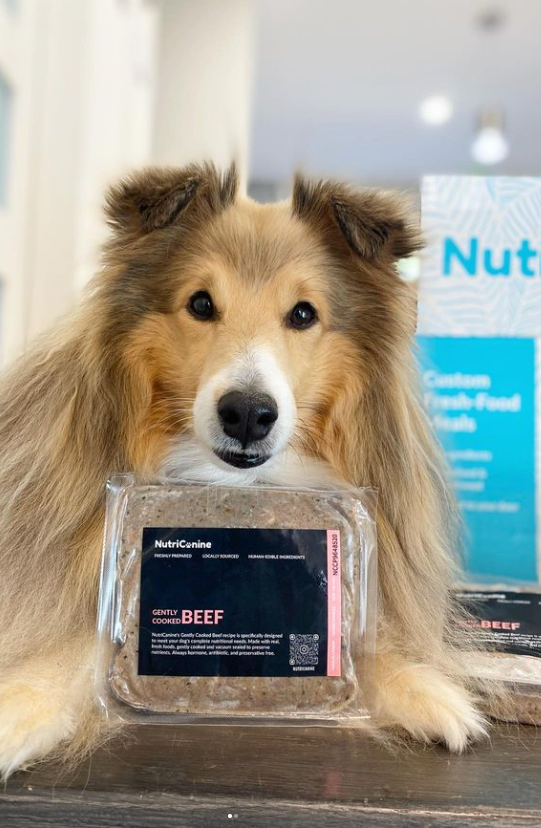
“I have three pups, all picky eaters, and they devoured their meals! I’m so happy to have found a quick, easy and super healthy food.”
 Verified Purchase
Quick Stats About the Pekingese


Height 6 to 9 inches

Weight Up to 14 lbs

Lifespan 12 to 15 years

Energy level Low to moderate

Shedding Heavy

Grooming High
Breed Group
Toy
Demeanor
Dignified, self-assured
Temperament
Loyal, affectionate, independent
Pekingese: Everything You Need to Know

The Pekingese is one of the most ancient and aristocratic toy breeds in the world, with a history rooted deeply in the imperial courts of China, where these small but regal dogs were treasured companions of the Chinese emperors for over two thousand years. According to legend, the Pekingese was created by the Buddha, who shrunk a lion to the size of a small dog and breathed the spirit of the lion into it, a story that speaks to the profound cultural reverence these dogs commanded in imperial China. For centuries, Pekingese were kept exclusively within the walls of the Forbidden City and were forbidden to ordinary citizens under penalty of death, making them among the most historically exclusive companion animals ever to exist. They were introduced to the Western world in 1860 when British soldiers, following the Second Opium War, brought several of the imperial dogs back to England, including one presented to Queen Victoria who named it Looty. Today the Pekingese is a confident, self-possessed, and deeply affectionate companion that brings a combination of regal bearing and genuine warmth to the families fortunate enough to share their home with one. Their distinctive lion-like mane, flat face, and bow-legged rolling gait make them immediately recognizable as one of the most distinctive toy breeds in existence. Because of their flat-faced structure and heavy coat, they require attentive care around heat, grooming, and respiratory health. Proper nutrition tailored to their small size and specific health considerations is an important part of giving this ancient breed the quality of life it deserves. With the right care and nutrition, the Pekingese is a devoted, dignified, and endlessly captivating companion that carries within it thousands of years of extraordinary history.
Create the Perfect Meal Plan for Your PekingeseWhat Makes a Pekingese Unique
The Pekingese is one of the most historically significant and culturally layered dog breeds in the world, carrying within its compact, lion-maned frame a lineage that stretches back to the imperial courts of ancient China and a legendary origin story that connects it to the divine. No other toy breed was kept in such extreme exclusivity for so long, or has passed from the Forbidden City to the drawing rooms of Victorian England with such dramatic historical flair. The introduction of Pekingese to the West through the spoils of war remains one of the most remarkable moments in the history of dog breeds and gave the Western world access to a companion animal that had been entirely invisible to it for centuries. Their lion-dog appearance is not a modern aesthetic choice but a deliberate product of selective breeding intended to honor the animal most sacred in Buddhist and imperial Chinese culture, a visual homage that gives their appearance a symbolic meaning that most breed enthusiasts are proud to understand and share. Pekingese are notable for a personality that is almost entirely at odds with their small size: they are confident, self-contained, dignified, and entirely uninterested in being told what to do unless they choose to comply, which many find refreshing compared to the eager-to-please nature of many other toy breeds. Their heavy shedding and high grooming demands are offset by a coat that, when maintained, is genuinely breathtaking and gives them a presence far beyond what their size would suggest. They are also remarkably good watchdogs for their size, with a bark that is low and authoritative rather than shrill, and a naturally alert temperament that misses very little happening in or around the home. Weight management and respiratory health are the two most important ongoing care priorities for this breed, and nutrition that supports both is a meaningful part of responsible Pekingese ownership. Their long lifespan, often reaching twelve to fifteen years, means that a well-cared-for Pekingese is a companion across a significant chapter of human life, forming bonds that are deep, lasting, and filled with quiet, regal affection. For those who are drawn to history, character, and a dog that truly knows its own worth, the Pekingese is incomparable.
Create a Meal Plan That Caters to Your Pekingese's Unique Needs
Health Considerations for Pekingese
Pekingese are a long-lived and resilient breed, but their distinctive flat-faced structure and heavy coat create a set of specific health considerations that require attentive and proactive management throughout their lives. Responsible breeding, regular veterinary care, and carefully considered nutrition all play meaningful roles in supporting their health and quality of life. Maintaining a healthy body weight is among the most impactful things an owner can do for a Pekingese, as even mild excess weight significantly worsens respiratory and joint function in this breed. Being well-informed about their most common health concerns allows owners to provide the most attentive and appropriate care possible.
Brachycephalic Obstructive Airway Syndrome (BOAS)
Brachycephalic obstructive airway syndrome is one of the most significant health concerns for the Pekingese, arising from their extremely flat face and shortened skull that restrict airflow through the upper respiratory tract. Narrowed nostrils, an elongated soft palate, a narrow trachea, and everted laryngeal saccules can combine to make breathing labored, noisy, and significantly less efficient than in longer-muzzled breeds. Signs include snoring, noisy breathing during rest, exercise intolerance, labored panting, and in severe cases, the development of bluish gums during exertion. Maintaining a lean body weight is one of the most impactful management strategies available, as even a small amount of excess weight dramatically increases the respiratory burden. Avoiding heat, humidity, and strenuous exercise is essential for day-to-day management. Surgical correction of the most compromising anatomical features is available and can meaningfully improve breathing comfort and quality of life for severely affected dogs.
Intervertebral Disc Disease (IVDD)
Intervertebral disc disease is a spinal condition that affects the Pekingese at an elevated rate compared to many other breeds, related to their chondrodystrophic body type in which the intervertebral discs are prone to premature degeneration and herniation. The condition can cause back pain, weakness in the hindlimbs, loss of coordination, or in severe cases paralysis requiring emergency veterinary intervention. Signs include reluctance to jump or climb stairs, sensitivity when touched along the back, or sudden changes in movement or posture. Maintaining a healthy body weight reduces spinal load and is an important preventive measure. Preventing jumping from heights and providing ramps or steps to furniture helps protect the spine from impact forces. Prompt veterinary evaluation of any neurological signs is essential for the best possible outcome.
Eye Conditions
The Pekingese's large, prominent eyes are one of their most expressive and endearing features, but they are also one of their most vulnerable. Their eyes protrude beyond the level of the facial folds and are therefore more susceptible to corneal abrasions, ulceration, and injury from everyday environmental contact. Conditions such as corneal ulcers, entropion, and dry eye are all documented concerns in the breed. Signs of eye discomfort include squinting, excessive tearing, redness, discharge, or pawing at the face. Regular cleaning around the eyes and prompt veterinary attention at the first signs of irritation or injury are essential. Annual veterinary eye examinations help identify developing conditions before they progress to more serious or vision-threatening stages.
Patellar Luxation
Patellar luxation, in which the kneecap slips out of its normal position in the groove of the femur, is a common orthopedic condition in small and toy breeds including the Pekingese. The condition can cause intermittent limping, skipping, or a characteristic leg-holding behavior during movement. Severity ranges from mild cases that require only monitoring to more significant presentations where surgical correction may be recommended. Maintaining a healthy body weight reduces stress on the joints and is an important management strategy for mild cases. Regular veterinary evaluation helps monitor the condition over time and determine when further intervention is appropriate. Balanced nutrition that supports joint and muscle health contributes to long-term comfort for affected dogs.

Nutrition for Every Stage and Need
Proper nutrition is a particularly meaningful part of caring for a Pekingese, whose flat-faced anatomy, spinal predispositions, and tendency toward weight gain all make carefully balanced, portion-controlled feeding an essential component of responsible ownership. The right diet at every stage of life supports respiratory comfort, spinal health, coat quality, and the long lifespan this ancient breed is capable of achieving.
Nutrition for Pekingese Puppies

Pekingese puppies require nutrient-dense food that supports healthy early development without promoting excess weight gain in a breed for whom healthy weight management is a lifelong priority. Small breed puppy formulas provide the right balance of protein, fat, and calories appropriate for a compact toy breed's growth needs. High quality protein supports healthy muscle development and provides the energy that curious, playful puppies need throughout the day. Smaller portions or appropriately sized fresh food makes eating comfortable and reduces the risk of gulping air during meals, which can contribute to digestive discomfort. Feeding structured meals at regular intervals helps regulate energy levels and establishes healthy eating habits from an early age. A strong nutritional start in puppyhood gives Pekingese puppies the best foundation for the long, healthy life this breed is capable of living.
Nutrition for Adult Pekingese
Adult Pekingese have modest caloric needs that reflect their calm, low-energy lifestyle, and overfeeding is one of the most consequential and common mistakes owners make with this breed. High quality protein supports lean muscle maintenance and provides essential amino acids without excessive calories. Healthy fats in appropriate amounts support the magnificent coat that is one of the breed's most distinctive features. Portion control is the single most important nutritional practice for the adult Pekingese, as even small amounts of excess food accumulate quickly in a dog that weighs under fourteen pounds and for whom even modest weight gain worsens breathing. Foods or formulations that support dental and coat health are particularly valuable for adult Pekingese given their known predispositions. A carefully portioned, well-balanced diet helps adult Pekingese remain comfortable, well-coated, and breathing as freely as possible throughout their prime years.
Nutrition for Senior Pekingese
As Pekingese age, maintaining a healthy body weight and supporting respiratory comfort become even more critical nutritional priorities, as the breathing compromise of BOAS tends to progress with age and excess weight. Senior dogs benefit from easily digestible ingredients that support efficient nutrient absorption and reduce the burden on the digestive system. Adjusting calorie intake helps prevent the weight gain that can worsen respiratory and spinal function in older brachycephalic dogs. Nutrients that support joint comfort, immune health, and cognitive function become increasingly valuable in the senior years. Dental health remains a priority throughout the senior years, as advanced periodontal disease in small breeds can have broader systemic consequences. Thoughtful senior nutrition helps Pekingese remain comfortable, alert, and enjoying life with their characteristic dignity well into their senior years.
Nutrition for Overweight Pekingese
Weight management is among the most critical health interventions available to Pekingese owners, as the impact of excess weight on this breed's respiratory and spinal health is direct, significant, and measurable. Even a single pound of excess weight can noticeably worsen breathing in a flat-faced dog, and additional weight places compounding strain on a spine already prone to disc disease. Calorie-controlled diets support safe and gradual weight reduction without compromising essential nutritional quality. Lean protein sources help preserve muscle mass while overall calorie intake is reduced. Strict portion control, eliminating table scraps, and limiting treats to very small and infrequent amounts are all essential daily practices. A personalized feeding plan helps Pekingese reach and maintain a healthy weight that meaningfully improves their breathing comfort, spinal health, and overall quality of life.
Nutrition for Sensitive Pekingese
Some Pekingese may experience food sensitivities that manifest as digestive upset, skin irritation, or coat changes. Given the breed's heavy, dense coat, dietary deficiencies or sensitivities that affect skin health have a particularly visible impact on coat quality and condition. Diets made with high quality, limited, and easily digestible ingredients help reduce the likelihood of adverse dietary reactions. Novel protein sources or limited ingredient formulas can be effective for dogs with identified food intolerances or allergies. Omega fatty acids support skin moisture and coat health and are particularly valuable for sensitive Pekingese whose coat condition reflects their internal nutritional status. A personalized nutrition plan provides targeted support for sensitive Pekingese while still meeting all their nutritional requirements.
Give Your Pekingese the Nutrition They Deserve
Pekingese deserve nutrition as considered and regal as the imperial companions they have always been. Fresh, high quality ingredients provide essential nutrients in a highly digestible form appropriate for a small breed with specific respiratory, spinal, and coat health considerations. Personalized feeding plans help ensure your Pekingese receives precisely the right portion sizes based on their age, weight, and individual health profile, protecting them from the weight gain that so directly affects their comfort and quality of life. NutriCanine meal plans are developed to meet AAFCO nutritional standards using real, human-grade ingredients selected for quality and digestibility. With a customized approach, your Pekingese receives the balanced, carefully portioned nutrition they need to breathe comfortably, carry their magnificent coat with pride, and continue the ancient legacy of dignity and devotion this extraordinary breed embodies.
Wasabi, The Pekingese, Wins First Place At The Westminster Dog Show
Ready to Provide the Best Nutrition for Your Pekingese?
NutriCanine's personalized meal plans are designed to meet the unique nutritional needs of your Pekingese. Our fresh, high-quality ingredients ensure your dog gets the best possible nutrition. Start your journey to better health and happiness for your Pekingese today.
Our Gently Cooked Recipes
- Guided by science
- Made fresh daily
Our recipes, developed by an agronomist, are nutrient-rich, delicious, and complete and balanced, meeting AAFCO guidelines.

Grain Free
Chicken Recipe
Bowl lickin' good - bet we don't keep our recipe a secret! For healthier skin and coat with nutrient-dense broccoli and carrots.
Learn More
Low Fat
Turkey Recipe
Just like your Thanksgiving meal, but specially designed for your dog. For improved digestibility, enhanced by superfood kale and butternut squash.
Learn More
Picky-Eater Approved
Beef Recipe
Perfect for the pickiest eaters and gluten-sensitive dogs with highly digestible rice and antioxidant-rich berries.
Learn More
Heart Healthy
Lamb Recipe
Designed for dogs with allergies and sensitivities, enriched by nutrient-packed green beans and carrots.
Learn More
Hypoallergenic & GI Support
Pork Recipe
Wrap your dog in comfort with every bowl - soothing relief for itchy skin and sensitive tummies, with irresistible flavour.
Learn More