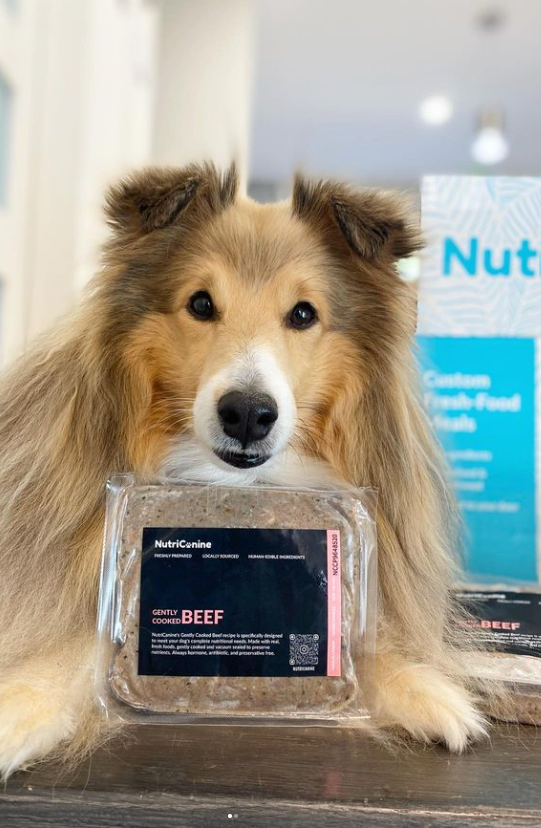
“I have three pups, all picky eaters, and they devoured their meals! I’m so happy to have found a quick, easy and super healthy food.”
 Verified Purchase
Quick Stats About the Lhasa Apso


Height 10 to 11 inches

Weight 12 to 18 lbs

Lifespan 12 to 15 years

Energy level Moderate

Shedding Low

Grooming High
Breed Group
Non-Sporting
Demeanor
Confident, regal
Temperament
Loyal, independent, alert
Lhasa Apso: Everything You Need to Know

The Lhasa Apso is an ancient and distinguished small breed with a history that stretches back over a thousand years in the monasteries and palaces of Tibet. Revered by Buddhist monks as sacred sentinels, Lhasa Apsos were kept as interior watchdogs in Himalayan temples and noble households, prized for their keen alertness and unwavering loyalty. Despite their small stature, they possess a confident, independent, and often regal personality that belies their size. Lhasa Apsos are devoted to their families but tend to be discerning with strangers, a trait that made them effective guardians in their historical role. Their flowing, floor-length coat is one of their most spectacular features, offering protection from the harsh Himalayan climate and giving them a distinctive and beautiful appearance. They are adaptable dogs that can thrive in apartments and homes alike, as long as their social and exercise needs are met. While they are affectionate and playful with those they trust, they have an independent streak that requires patient and consistent training. Lhasa Apsos are among the longer-lived small breeds, frequently reaching fifteen years or more when properly cared for. Their longevity makes providing the right nutrition across every life stage especially important. Understanding the unique needs of the Lhasa Apso helps owners provide the love, care, and balanced nutrition this remarkable ancient breed truly deserves.
Create the Perfect Meal Plan for Your Lhasa ApsoWhat Makes a Lhasa Apso Unique
The Lhasa Apso is a breed with one of the richest and most fascinating histories in the dog world, having served as sacred sentinels in Tibetan monasteries for more than a thousand years. Their ancient lineage is reflected in their hardy constitution, remarkable longevity, and deeply observant nature. Unlike many small breeds, the Lhasa Apso carries itself with a quiet confidence and dignity that commands respect regardless of its compact size. They possess a unique ability to read people and situations with great discernment, a skill that was essential to their historical role as interior guardians. Their spectacular floor-length coat, evolved to protect them against the extreme temperatures of the Himalayan plateau, is unlike that of any other breed. Despite their elegant appearance, Lhasa Apsos are surprisingly tough and resilient dogs with strong constitutions and excellent health records relative to many other breeds. Their independent streak and strong sense of self make them genuinely interesting companions that engage with the world on their own terms. Lhasa Apsos are known to be deeply perceptive and often seem to understand their owners' moods and emotions without being told. Their combination of ancient wisdom, regal bearing, and playful affection makes every day with a Lhasa Apso a rich and rewarding experience. They are a truly unique breed that offers devoted owners a companion unlike any other.
Create a Meal Plan That Caters to Your Lhasa Apso's Unique Needs
Health Considerations for Lhasa Apso
The Lhasa Apso is generally a robust and long-lived breed, frequently reaching fifteen or more years of age when well cared for. However, like all breeds, they can be predisposed to certain hereditary and age-related health conditions that owners should be aware of. Regular veterinary check-ups, a balanced diet, and appropriate exercise all contribute significantly to long-term health. Early detection of any developing health concerns is always the most effective approach to maintaining quality of life.
Progressive Retinal Atrophy (PRA)
Progressive Retinal Atrophy is a hereditary eye disease that can affect Lhasa Apsos and leads to the gradual degeneration of the retina over time. Early signs often include difficulty seeing in dim light, which may progress to more complete vision loss. There is currently no cure for PRA, but genetic testing of breeding dogs has helped reduce its prevalence in well-managed breeding programs. DNA testing can identify carriers of the condition before they are used in breeding, which is an important preventative step. Regular veterinary eye examinations help monitor the health of the eyes and detect any changes early. Dogs affected by PRA often adapt well to vision loss when their living environment remains predictable and consistent.
Renal Dysplasia
Renal dysplasia is a hereditary kidney condition that has been documented in the Lhasa Apso breed and involves abnormal kidney development. Affected dogs may experience chronic kidney disease, which can present with symptoms such as increased thirst, frequent urination, reduced appetite, and weight loss. The severity of the condition varies widely among affected individuals. Routine blood and urine testing during annual veterinary check-ups can help detect kidney function changes early. Nutrition plays an important role in managing kidney health, as diets tailored to support renal function can help slow progression. Working with a veterinarian experienced with this breed is valuable for ongoing kidney health monitoring.
Patellar Luxation
Patellar luxation, the dislocation of the kneecap, is a relatively common orthopedic condition in small dog breeds including the Lhasa Apso. When the patella slips out of its normal position, it can cause intermittent limping, skipping gait, or difficulty bearing weight on the affected leg. Mild cases may require only careful monitoring and activity modification, while more severe cases may benefit from surgical correction. Maintaining a healthy body weight reduces the mechanical stress on the knee joints and helps manage symptoms. Providing nutrition that supports joint health, including anti-inflammatory omega fatty acids, may also be beneficial. Regular veterinary assessments help determine the most appropriate management strategy for each individual dog.
Skin and Coat Conditions
The Lhasa Apso's long, dense coat and the skin beneath it can be susceptible to a range of conditions including allergies, sebaceous adenitis, and skin fold irritation. Environmental and food allergies are not uncommon in the breed and can manifest as itching, redness, and skin inflammation. Sebaceous adenitis is an inflammatory skin condition that affects the sebaceous glands and can cause scaling, hair loss, and changes in coat texture. Consistent grooming is essential not only for coat maintenance but also for early detection of any skin changes. Diets made with high-quality, easily digestible ingredients may support healthier skin and reduce the likelihood of diet-related allergic reactions. Veterinary evaluation and, when needed, allergy testing can help identify triggers and guide effective management.

Nutrition for Every Stage and Need Section
For a breed as long-lived and distinctive as the Lhasa Apso, nutrition is a lifelong commitment that evolves at every stage. Their small but sturdy frame, remarkable longevity, and breed-specific health considerations all make a thoughtfully tailored diet an essential part of their care. The right nutrition at every life stage supports their vitality, coat health, kidney function, and long-term wellbeing.
Nutrition for Lhasa Apso Puppies

Lhasa Apso puppies require a carefully balanced diet to support healthy growth without promoting excessive weight gain during their development. High-quality protein sources provide the building blocks for healthy muscle and tissue development. Appropriate levels of fat deliver the energy growing puppies need while supporting the development of their notable coat. Calcium and phosphorus levels should be balanced to support proper bone development appropriate to their small frame. Because Lhasa Apsos can have sensitive digestive systems, easily digestible ingredients are particularly important during the puppy stage. Establishing a consistent, measured feeding routine from puppyhood helps prevent overeating and supports healthy body condition into adulthood.
Nutrition for Adult Lhasa Apso
Adult Lhasa Apsos benefit from a complete and balanced diet that supports their moderate energy levels and maintains their signature coat in excellent condition. High-quality protein supports lean muscle maintenance throughout adulthood. Omega-3 and omega-6 fatty acids are especially important for this breed, providing the nutritional foundation for their long, lustrous coat and healthy skin. Portion control is important even in this small breed to prevent gradual weight gain that can stress joints and organs. Easily digestible carbohydrates provide sustained energy for daily activity. A well-balanced adult diet keeps the Lhasa Apso healthy, active, and looking their magnificent best.
Nutrition for Senior Lhasa Apso
Senior Lhasa Apsos, who often remain active well into their teens, benefit from a diet that supports their changing physiological needs while maintaining quality of life. Easily digestible, high-quality protein helps preserve lean muscle mass as metabolism gradually changes with age. Kidney-supportive nutrition is particularly relevant for this breed given their predisposition to renal concerns, with carefully managed phosphorus levels being an important consideration. Antioxidants support immune function and help protect cells from age-related oxidative stress. Joint-supporting nutrients such as omega-3 fatty acids and glucosamine help maintain mobility and comfort in older dogs. Adjusting calorie intake as activity levels decrease helps prevent the gradual weight gain that is common in aging small breeds.
Nutrition for Overweight Lhasa Apso
While Lhasa Apsos are not the most obesity-prone of small breeds, weight management remains an important aspect of their care. Excess weight places additional stress on their small joints, including the knees where patellar luxation is already a concern, and can compound other health issues. A calorie-controlled diet with high-quality lean protein helps support healthy, gradual weight reduction while preserving muscle mass. Increased fiber content helps dogs feel fuller between meals, reducing the likelihood of food-seeking behavior. Eliminating high-calorie treats and table scraps is an important part of any weight management program. A personalized feeding plan based on the individual dog's specific caloric needs provides the most effective and safe approach.
Nutrition for Sensitive Lhasa Apso
Lhasa Apsos with food sensitivities or allergies require a diet built around high-quality, limited ingredients that minimize the risk of triggering a reaction. Common food allergens in dogs include certain proteins, dairy, and wheat, and identifying and eliminating these through an elimination diet trial can provide significant relief. Novel protein sources that the dog has not previously been exposed to are often the most effective choice for sensitive individuals. Highly digestible ingredients reduce the burden on the digestive system and support consistent, healthy digestion. Skin and coat health are often directly linked to diet quality in this breed, so addressing sensitivities can have visible benefits. A veterinarian-guided approach to identifying sensitivities and selecting an appropriate diet provides the best outcomes for sensitive Lhasa Apsos.
Give Your Lhasa Apso the Nutrition They Deserve
Lhasa Apsos are long-lived, spirited companions that deserve nutrition as exceptional as their heritage. Fresh, high-quality ingredients provide the nutrients essential for supporting their remarkable coat, healthy kidneys, active joints, and sustained vitality across their long lifespan. Personalized meal plans account for the specific needs of your individual Lhasa Apso, including their age, weight, activity level, and any health considerations, delivering precisely the right balance of nutrients. This thoughtful, individualized approach supports their long-term health and helps offset some of the breed-specific challenges they may face over the years. NutriCanine meal plans are crafted to meet AAFCO nutritional standards using real, human-grade ingredients with no fillers, artificial additives, or compromises. Your ancient, regal Lhasa Apso deserves nothing less than the very best nutrition available.
Lhasa Apso Dog Food Review
Ready to Provide the Best Nutrition for Your Lhasa Apso?
NutriCanine's personalized meal plans are designed to meet the unique nutritional needs of your Lhasa Apso. Our fresh, high-quality ingredients ensure your dog gets the best possible nutrition. Start your journey to better health and happiness for your Lhasa Apso today.
Our Gently Cooked Recipes
- Guided by science
- Made fresh daily
Our recipes, developed by an agronomist, are nutrient-rich, delicious, and complete and balanced, meeting AAFCO guidelines.

Grain Free
Chicken Recipe
Bowl lickin' good - bet we don't keep our recipe a secret! For healthier skin and coat with nutrient-dense broccoli and carrots.
Learn More
Low Fat
Turkey Recipe
Just like your Thanksgiving meal, but specially designed for your dog. For improved digestibility, enhanced by superfood kale and butternut squash.
Learn More
Picky-Eater Approved
Beef Recipe
Perfect for the pickiest eaters and gluten-sensitive dogs with highly digestible rice and antioxidant-rich berries.
Learn More
Heart Healthy
Lamb Recipe
Designed for dogs with allergies and sensitivities, enriched by nutrient-packed green beans and carrots.
Learn More
Hypoallergenic & GI Support
Pork Recipe
Wrap your dog in comfort with every bowl - soothing relief for itchy skin and sensitive tummies, with irresistible flavour.
Learn More