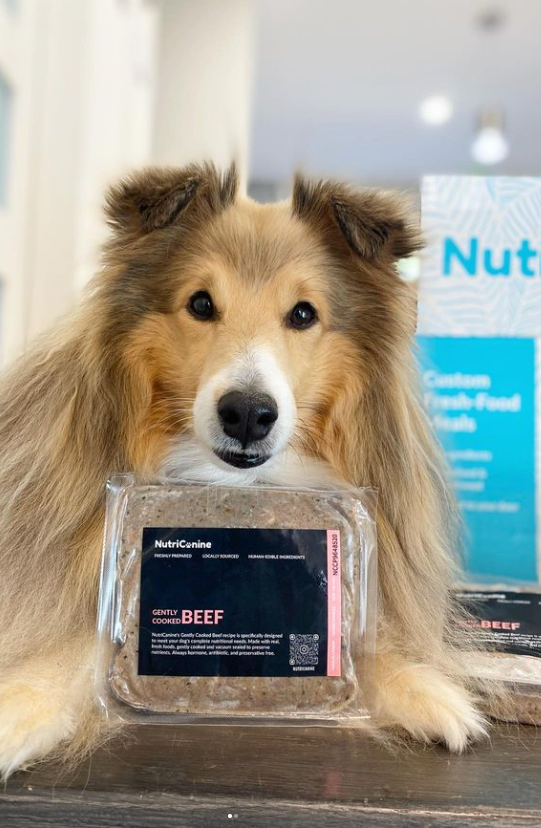
“I have three pups, all picky eaters, and they devoured their meals! I’m so happy to have found a quick, easy and super healthy food.”
 Verified Purchase
Quick Stats About the Japanese Chin


Height 8 to 11 inches

Weight 7 to 11 lbs

Lifespan 10 to 12 years

Energy level Low to moderate

Shedding Moderate

Grooming Moderate
Breed Group
Toy
Demeanor
Elegant, serene
Temperament
Affectionate, intelligent, cat-like
Japanese Chin: Everything You Need to Know

The Japanese Chin is an ancient and elegant toy breed that has served as a treasured companion of Asian royalty for centuries, prized for its graceful appearance, serene temperament, and almost feline quality of movement and behavior. Despite the name, the breed's exact origins are a matter of historical debate, with many scholars suggesting that the Chin originated in China before being refined and elevated to nobility status in Japan, where it became a favored gift among the Japanese imperial court. Portuguese sailors and later British and American traders introduced the breed to the Western world in the nineteenth century, where it quickly attracted admirers among European and American aristocracy. The Japanese Chin is known for a distinctive set of characteristics that set it apart from other toy breeds, including a tendency to use its paws to wash its face, a preference for perching on elevated surfaces, and a quiet, observant nature that many owners describe as decidedly cat-like. They are gentle, devoted, and adaptable dogs that bond deeply with their families and tend to thrive in calm, comfortable household environments. Their profuse, silky coat, flat face, and large, expressive eyes give them an unmistakable and deeply appealing appearance. Because of their flat-faced structure, they share some of the respiratory and heat-sensitivity concerns common to brachycephalic breeds. Proper nutrition tailored to their small size and specific health considerations is an important part of supporting their health and comfort. Understanding the Japanese Chin's unique history, personality, and needs helps owners provide a life befitting this extraordinary little companion. With the right care and nutrition, the Japanese Chin is a poised, affectionate, and endlessly charming presence in any home.
Create the Perfect Meal Plan for Your Japanese ChinWhat Makes a Japanese Chin Unique
The Japanese Chin is one of the most distinctive and historically significant toy breeds in the world, carrying a legacy rooted in the imperial courts of Asia and the aristocratic drawing rooms of Europe and America. What makes the Japanese Chin truly unique is the remarkable combination of a feline personality housed within a canine body, a quality so consistent and pronounced that it is considered a defining characteristic of the breed. Their habit of using their paws to clean their faces, their preference for high perches, their quiet observational nature, and their light-footed, almost floating movement all contribute to an experience of dog ownership that feels distinctly different from most other breeds. The Japanese Chin's history as a gift of the Japanese imperial court to foreign dignitaries gives it a cultural significance that few other toy breeds can match, and its image appears in Japanese artwork and ceramics dating back many centuries. They are also remarkable in their sensitivity to human emotion, often functioning as emotional barometers within a household and adjusting their behavior to the moods of those around them. Unlike many flat-faced breeds, the Japanese Chin is not known for excessive vocalization, making it one of the quieter and more serene toy breeds available to owners who value tranquility in the home. Their silky, abundant coat and distinctive coloring make them visually striking in a way that is both refined and accessible. Their small size and calm demeanor make them ideal companions for apartment dwellers, older adults, and anyone seeking a dog that brings elegance and calm affection to daily life. Nutrition that supports their small frame, respiratory health, and long-term cardiac and joint wellbeing is a meaningful investment in this breed's quality of life. For those who appreciate a dog with history, grace, and a personality unlike any other, the Japanese Chin is truly one of a kind.
Create a Meal Plan That Caters to Your Japanese Chin's Unique Needs
Health Considerations for Japanese Chin
Japanese Chin are generally a gentle and manageable breed, but their brachycephalic anatomy and small size mean they can be predisposed to several health conditions that require attentive ownership. Responsible breeding, regular veterinary care, and balanced nutrition all contribute to supporting their health and quality of life. Maintaining a healthy body weight is particularly important for this breed, as even modest excess weight can worsen respiratory and cardiac function. Being informed about common health concerns helps owners provide proactive, attentive care throughout their Japanese Chin's life.
Brachycephalic Obstructive Airway Syndrome (BOAS)
Brachycephalic obstructive airway syndrome is a condition affecting flat-faced breeds, including the Japanese Chin, and involves structural features that restrict airflow through the upper respiratory tract. Narrowed nostrils, an elongated soft palate, and a narrow trachea can combine to make breathing labored, particularly during exercise or in warm, humid conditions. Signs include noisy or labored breathing, frequent panting, snoring, or reduced exercise tolerance. Maintaining a lean body weight significantly reduces the respiratory burden and is one of the most impactful things an owner can do for a brachycephalic dog. Avoiding heat, excessive humidity, and strenuous exercise helps manage symptoms. Surgical correction is available for dogs with moderate to severe anatomical compromise and can dramatically improve breathing comfort and quality of life.
Heart Disease
Heart disease, including mitral valve degeneration, has been documented in Japanese Chin and is a concern that owners and veterinarians should monitor as the breed ages. The condition involves gradual degeneration of the heart valve, which over time reduces the heart's pumping efficiency and can lead to fluid accumulation and breathing difficulty. Early signs may include a heart murmur detected during a routine examination, progressing to exercise intolerance, coughing, or labored breathing in more advanced cases. Regular cardiac evaluations allow for monitoring and early intervention when appropriate. A balanced diet that supports cardiovascular health is a meaningful part of long-term care. Early detection provides the best foundation for effective management and extended quality of life.
Patellar Luxation
Patellar luxation is a common orthopedic condition in small and toy breeds, including the Japanese Chin. It involves the kneecap slipping out of its normal position, causing intermittent limping, skipping, or leg-holding behavior during movement. Severity ranges from mild cases that require minimal intervention to more significant cases where surgical correction may be recommended. Maintaining a healthy body weight reduces stress on the joints and can help manage mild presentations. Regular veterinary evaluation helps monitor the condition and determine when treatment is appropriate. Balanced nutrition that supports joint and muscle health is an important component of long-term management for affected dogs.
Corneal Abrasions and Eye Conditions
The Japanese Chin's prominent, large eyes are one of its most beautiful features, but they are also one of its most vulnerable. Their eyes protrude more than those of most breeds and are therefore more susceptible to corneal scratches, irritation from environmental debris, and conditions such as corneal ulceration or entropion. Signs of eye discomfort include squinting, excessive tearing, redness, or pawing at the face. Owners should inspect the eyes regularly and keep the surrounding area clean and free of discharge. Veterinary evaluation should be sought promptly if any signs of eye discomfort or injury are observed, as corneal conditions can progress quickly. Protecting the eyes during outdoor activity and monitoring them closely is an important part of daily Japanese Chin care.

Nutrition for Every Stage and Need
Proper nutrition is essential for supporting the health, comfort, and longevity of a small and elegant breed like the Japanese Chin. Their brachycephalic anatomy, cardiac considerations, and tendency toward weight gain all make carefully balanced, portion-controlled nutrition a particularly important part of responsible care at every stage of life.
Nutrition for Japanese Chin Puppies

Japanese Chin puppies require nutrient-dense food that supports healthy early development without promoting excessive weight gain in a breed already prone to obesity. Small breed puppy formulas provide the right balance of protein, fat, and calories appropriate for a compact toy breed's growth needs. High quality protein supports healthy muscle development and provides the energy puppies need for play and exploration. Smaller food portions or appropriately sized fresh food makes eating comfortable and reduces the risk of gulping air during meals. Feeding structured meals at regular intervals helps regulate energy and supports healthy digestion from an early age. The right nutritional foundation in puppyhood helps Japanese Chin grow into healthy, comfortable, and well-nourished adults.
Nutrition for Adult Japanese Chin
Adult Japanese Chin have modest caloric needs that reflect their calm, low-energy lifestyle, and careful portion control is essential to prevent the weight gain that can so significantly affect this breed's health. High quality protein supports lean muscle maintenance and provides essential amino acids without excessive calories. Healthy fats in appropriate amounts support coat health and the lustrous, silky appearance that defines the breed. Foods or formulations that support cardiovascular and dental health are particularly relevant for adult Japanese Chin given their predispositions. Avoiding overfeeding is one of the most important things an owner can do to protect their Japanese Chin's respiratory comfort and cardiac health. A well-balanced, carefully portioned diet keeps adult Japanese Chin thriving, comfortable, and at an ideal body weight.
Nutrition for Senior Japanese Chin
As Japanese Chin age, supporting respiratory comfort, cardiac health, and maintaining a healthy body weight become increasingly important nutritional priorities. Senior dogs benefit from easily digestible ingredients that support efficient nutrient absorption and reduce the burden on the digestive system. Adjusting calorie intake helps prevent weight gain that can worsen respiratory and cardiac function in older brachycephalic dogs. Nutrients that support joint comfort, immune health, and cognitive function become increasingly valuable in the senior years. Dental health remains a priority throughout the senior years, as periodontal disease in small breeds can have systemic consequences. Thoughtful senior nutrition helps Japanese Chin remain comfortable, bright, and serene well into their later years.
Nutrition for Overweight Japanese Chin
Weight management is one of the most impactful health interventions available to Japanese Chin owners, as excess weight directly worsens the respiratory difficulties common to flat-faced breeds. Even a small amount of extra weight can measurably increase the effort required for a brachycephalic dog to breathe comfortably. Calorie-controlled diets support safe and gradual weight reduction without compromising essential nutrition. Lean protein sources help preserve muscle mass while reducing overall calorie intake. Strict portion control and limiting treats to very small amounts are essential daily practices for this breed. A personalized feeding plan helps Japanese Chin reach and maintain a healthy weight that meaningfully improves their breathing comfort and overall quality of life.
Nutrition for Sensitive Japanese Chin
Some Japanese Chin may experience food sensitivities or digestive issues that require a more targeted nutritional approach. Diets made with high quality, limited, and easily digestible ingredients help reduce the likelihood of adverse reactions in a breed already prone to digestive delicacy. Novel protein or limited ingredient formulas can be helpful for dogs with identified food intolerances or allergies. Balanced dietary fiber supports healthy gut motility and reduces digestive discomfort. Monitoring your dog's response to individual ingredients helps identify the foods that best support their comfort and wellbeing. A personalized nutrition plan provides targeted support for sensitive Japanese Chin while still meeting all their nutritional requirements.
Give Your Japanese Chin the Nutrition They Deserve
Japanese Chin deserve nutrition as refined and thoughtfully considered as the elegant companions they are. Fresh, high quality ingredients provide essential nutrients in a highly digestible form appropriate for a small, delicate breed with specific health considerations. Personalized feeding plans help ensure your Japanese Chin receives precisely the right portion sizes based on their age, weight, and lifestyle, protecting them from the weight gain that can so significantly affect their health and comfort. NutriCanine meal plans are developed to meet AAFCO nutritional standards using real, human-grade ingredients selected for quality and digestibility. With a customized approach, your Japanese Chin receives the balanced, portion-appropriate nutrition they need to breathe easily, move gracefully, and remain the serene and devoted companion they were born to be.
Japanese Chin - Dogs 101 Animal Planet
Ready to Provide the Best Nutrition for Your Japanese Chin?
NutriCanine's personalized meal plans are designed to meet the unique nutritional needs of your Japanese Chin. Our fresh, high-quality ingredients ensure your dog gets the best possible nutrition. Start your journey to better health and happiness for your Japanese Chin today.
Our Gently Cooked Recipes
- Guided by science
- Made fresh daily
Our recipes, developed by an agronomist, are nutrient-rich, delicious, and complete and balanced, meeting AAFCO guidelines.

Grain Free
Chicken Recipe
Bowl lickin' good - bet we don't keep our recipe a secret! For healthier skin and coat with nutrient-dense broccoli and carrots.
Learn More
Low Fat
Turkey Recipe
Just like your Thanksgiving meal, but specially designed for your dog. For improved digestibility, enhanced by superfood kale and butternut squash.
Learn More
Picky-Eater Approved
Beef Recipe
Perfect for the pickiest eaters and gluten-sensitive dogs with highly digestible rice and antioxidant-rich berries.
Learn More
Heart Healthy
Lamb Recipe
Designed for dogs with allergies and sensitivities, enriched by nutrient-packed green beans and carrots.
Learn More
Hypoallergenic & GI Support
Pork Recipe
Wrap your dog in comfort with every bowl - soothing relief for itchy skin and sensitive tummies, with irresistible flavour.
Learn More