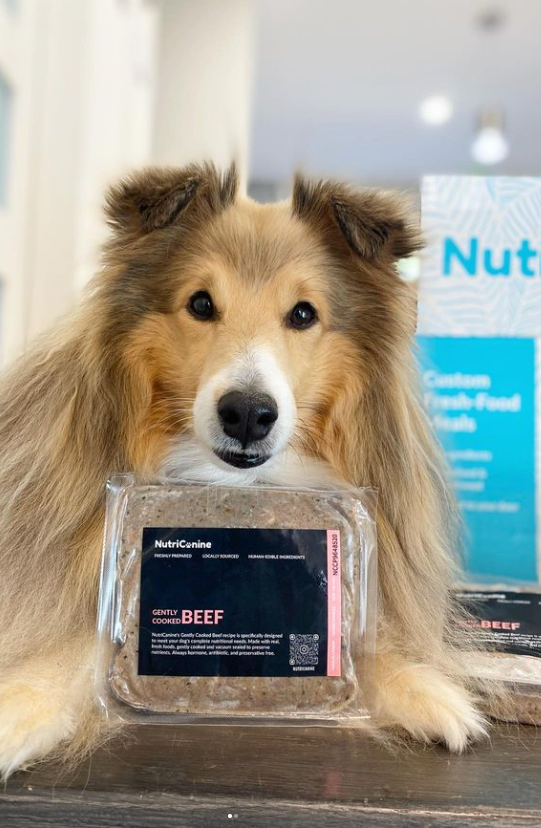
“I have three pups, all picky eaters, and they devoured their meals! I’m so happy to have found a quick, easy and super healthy food.”
 Verified Purchase
Is Fresh Dog Food Safe for Dogs?
Fresh dog food can be one of the healthiest options for dogs when it’s properly formulated and prepared.
Fresh meals made with real, whole ingredients can support digestion, energy levels, coat health, and long-term wellbeing. What matters most isn’t simply that food is “fresh,” but that it’s nutritionally balanced, gently cooked, and handled with strict food safety standards.
When those elements come together, fresh dog food offers dogs high-quality nutrition in a form their bodies can thrive on.
Is Fresh Dog Food Safe for Dogs if You Are New to It?
This page is for dog owners who want a clear answer about safety, without hype. It is especially helpful if you are:
- Considering fresh dog food for the first time
- Concerned about bacteria, handling, and storage
- Comparing fresh dog food to kibble or raw diets
- Planning to transition your dog to a new type of food
If your dog has ongoing health concerns, it can help to discuss diet changes with your vet so you can choose an option that fits your dog’s needs and routine.
What Makes Fresh Dog Food Safe for Dogs?
Fresh dog food safety comes down to a few concrete factors. These are useful to check no matter which brand you choose.
Complete and balanced nutrition
Recipes should be formulated to align with established canine nutrition standards, such as AAFCO or NRC guidelines.
Cooking method
Gently cooked fresh food is commonly used to lower pathogen risk compared to raw diets, while still relying on minimally processed ingredients.
Food safety practices
Preparation, packaging, and cold chain delivery all matter, especially for refrigerated or frozen foods.
Clear storage and handling
Safe outcomes depend on refrigeration or freezing, portioning, and following the provider’s handling instructions at home.
How to Choose Safe Fresh Dog Food
Not all fresh dog food is the same. Use this checklist to compare providers and reduce guesswork.
- Formulation: Look for evidence the recipes are formulated by qualified pet nutrition professionals.
- Nutritional adequacy: Confirm the food is intended to be complete and balanced for your dog’s life stage.
- Cooking and safety controls: Look for clear explanations of cooking and safety processes.
- Delivery and packaging: Most fresh dog food companies use temperature controlled boxes so food arrives cool at your door.
- Home handling instructions: Prefer providers that give simple, specific storage and feeding directions.
- Transition guidance: A gradual transition plan can help reduce temporary digestive upset during the switch.
If you are considering homemade fresh food, keep in mind that homemade fresh diets may carry risks if they are not professionally formulated.
Fresh Dog Food Safety Compared to Kibble and Raw
This comparison is not about picking a single “best” option. It is a practical way to understand how safety factors differ by food type.
| Safety factor | Gently cooked fresh food | Raw food | Traditional kibble |
|---|---|---|---|
| Cooking or processing | Lightly cooked | Uncooked | High heat processing |
| Nutritional consistency | Depends on formulation quality | Varies widely | Often consistent by design |
| Pathogen risk management | Typically lower due to cooking | Higher if mishandled | Generally low when stored properly |
| Storage and handling needs | Refrigeration or freezing | Freezing recommended | Shelf stable until opened |
| Switching foods | Gradual transition recommended | Gradual transition recommended | Gradual transition recommended |
Fresh dog food can be part of a safe feeding approach, but it may not be the right choice for every dog. The safest option is the one that is nutritionally appropriate, stored correctly, and consistently handled well in your home.
Fresh Dog Food Safety Tips at Home
Simple handling habits
- Keep food refrigerated or frozen as directed
- Use clean bowls and wash hands after handling
- Portion meals promptly and return the rest to the fridge
- Follow “use within” guidance after thawing or opening
If you want more feeding and storage basics, you can also check the FAQ page for general guidance.
When to be extra careful
- Puppies and seniors often need more precise nutrition
- Dogs with known sensitivities may do best with slower transitions
- Multi-pet homes may need clearer storage routines
For broader nutrition education, see the NutriCanine blog.
How NutriCanine Fresh Dog Food Fits Your Style
NutriCanine is one example of a fresh dog food option that emphasizes careful formulation and food safety practices.
- Gently cooked recipes designed to support food safety
- Meals intended to be complete and balanced
- Clear feeding, storage, and transition guidance
- Temperature controlled delivery across Canada to help food arrive cool
Complete our easy 2 minute quiz to build your dog’s plan.
Build Your Dog's Plan
First-time customers receive 40% off their first purchase.
Build Your Dog's PlanDelivered across Canada · Easy transitions · Pause or cancel anytime
Quick Summary: Is Fresh Dog Food Safe for Dogs?
- Fresh dog food can be safe when it is gently cooked, nutritionally complete, and handled properly.
- Look for clear formulation, safety practices, and storage guidance from any provider.
- Safe feeding depends on consistency at home, including refrigeration and clean handling.
Frequently Asked Questions
Is fresh dog food safe for dogs?
Yes, fresh dog food can be safe for dogs when it is properly formulated, gently cooked, and handled using appropriate food safety practices. Safety depends on nutrition balance, cooking methods, and storage rather than the word fresh alone. Quality and consistency vary by provider.
Is gently cooked fresh dog food safer than raw food?
Yes, gently cooked fresh dog food is generally considered lower risk than raw diets because cooking can reduce bacteria. Raw food requires stricter handling and carries higher food safety concerns if mishandled. Both options depend heavily on proper storage and hygiene.
Can fresh dog food cause digestive upset?
Yes, some dogs may experience temporary digestive upset when switching to fresh food. This is more likely if the transition happens too quickly. Gradual changes typically help dogs adjust more comfortably.
Is homemade fresh dog food safe for dogs?
It can be, but only when recipes are carefully formulated to be nutritionally complete. Many homemade diets unintentionally miss key nutrients or proper ratios. Professional guidance is strongly recommended for long-term feeding.
How should fresh dog food be stored and handled?
Fresh dog food should be kept refrigerated or frozen and used according to storage instructions. Proper handling at home plays a major role in safety. Leaving food out too long can increase spoilage risk.
Is fresh dog food safe for puppies and senior dogs?
Yes, fresh dog food can be safe for puppies and senior dogs when it meets their specific nutritional needs. These life stages require more precise formulations. Extra care is advised when selecting and transitioning food.
Do all dogs do well on fresh dog food?
No, not every dog responds the same way to fresh diets. Factors like age, sensitivities, and individual tolerance can affect outcomes. Monitoring your dog during any diet change is recommended.
Ready to Build a Fresh Plan?
First-time customers receive 40% off their first purchase.
Build Your Dog's PlanDelivered across Canada · Easy transitions · Pause or cancel anytime