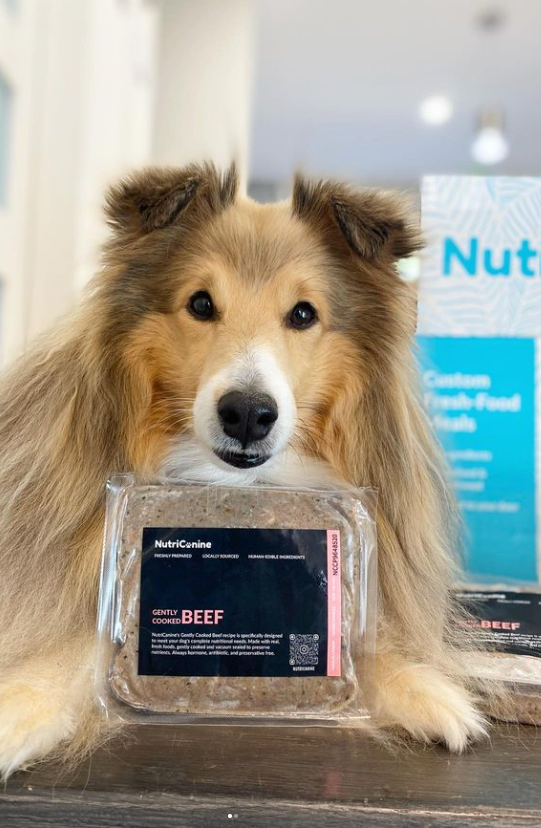
“I have three pups, all picky eaters, and they devoured their meals! I’m so happy to have found a quick, easy and super healthy food.”
 Verified Purchase
Quick Stats About the Great Pyrenees


Height 25–32 inches

Weight 85–160 lbs

Lifespan 10–12 years

Energy level Moderate

Shedding High

Grooming Moderate to High
Breed Group
Working
Demeanor
Calm, Protective, Gentle
Temperament
Loyal, Independent, Patient
Great Pyrenees: Everything You Need to Know

The Great Pyrenees is a majestic and powerful breed known for its calm nature and unwavering loyalty. Originally bred to guard livestock in mountainous regions, these dogs are both independent thinkers and devoted companions. Their thick white coat and gentle expression make them instantly recognizable. Despite their size, they are often patient and affectionate with their families. Great Pyrenees dogs are natural protectors and take their role seriously. They tend to be calm indoors but require space and purpose to thrive. Early socialization helps them develop into well-balanced adults. Their independent nature can make training a unique experience. Understanding their needs is key to helping them live a healthy and happy life. Nutrition plays a major role in supporting their size, coat, and overall wellbeing.
Create the Perfect Meal Plan for Your Great PyreneesWhat Makes a Great Pyrenees Unique
The Great Pyrenees stands out for its natural guarding instincts and calm confidence. Unlike many large breeds, they are not overly energetic but instead conserve energy for when it matters. Their history as livestock guardians means they are highly independent thinkers. They are known to assess situations before reacting, rather than acting impulsively. Their thick coat allows them to thrive in colder climates. Great Pyrenees dogs often form deep bonds with their families while remaining somewhat reserved. They are especially known for their patience with children. Their protective nature makes them excellent watchdogs without being overly aggressive. They are also known for their nighttime alertness, a trait from their working past. Supporting their unique traits requires thoughtful care, including proper nutrition tailored to their size and lifestyle.
Create a Meal Plan That Caters to Your Great Pyrenees' Unique Needs
Health Considerations for Great Pyrenees
Great Pyrenees dogs are generally healthy but, like all large breeds, they are prone to certain conditions. Their size and genetics play a role in their health risks. Preventative care, proper nutrition, and regular vet visits are essential. Understanding these concerns can help support a longer, healthier life.
Hip Dysplasia
Hip dysplasia is a common concern in large breeds like the Great Pyrenees. It occurs when the hip joint does not develop properly. This can lead to discomfort, reduced mobility, and arthritis over time. Maintaining a healthy weight is crucial to reduce strain on the joints. Nutritional support, including balanced minerals and joint-supporting nutrients, can help. Early monitoring and lifestyle management make a significant difference.
Bloat (Gastric Dilatation-Volvulus)
Bloat is a serious and potentially life-threatening condition. It occurs when the stomach fills with gas and twists. Large, deep-chested breeds like the Great Pyrenees are at higher risk. Feeding smaller, more frequent meals can help reduce risk. Avoiding intense activity immediately after eating is also important. Quick veterinary intervention is critical if symptoms appear.
Obesity
Due to their calm nature, Great Pyrenees dogs can be prone to weight gain. Excess weight places additional stress on joints and organs. Monitoring portion sizes and calorie intake is essential. Regular exercise helps maintain a healthy body condition. High-quality, balanced nutrition supports lean muscle mass. Preventing obesity can significantly improve quality of life.
Skin and Coat Issues
Their thick coat can sometimes trap moisture and debris, leading to skin issues. Allergies or sensitivities may also affect skin health. Proper grooming helps maintain a healthy coat and skin barrier. Nutrition rich in essential fatty acids supports coat quality. Identifying and avoiding dietary triggers can help sensitive dogs. Consistent care helps keep their coat in optimal condition.

Nutrition for Every Stage and Need Section
Proper nutrition is essential to support the Great Pyrenees throughout every life stage. Their size, metabolism, and unique needs require a balanced and thoughtful approach. Tailored nutrition helps promote longevity, mobility, and overall wellness.
Nutrition for Great Pyrenees Puppies

Great Pyrenees puppies grow rapidly and require carefully balanced nutrition to support healthy development. Controlled calcium and phosphorus levels are important for proper bone growth. Protein supports muscle development while DHA aids brain and vision development. Overfeeding should be avoided to prevent excessive growth rates. Consistent feeding schedules help support digestion. Nutrition during this stage sets the foundation for lifelong health.
Nutrition for Adult Great Pyrenees
Adult Great Pyrenees require balanced nutrition to maintain their size and energy levels. High-quality protein supports lean muscle maintenance. Healthy fats provide energy and support skin and coat health. Portion control is important to prevent weight gain. Digestible carbohydrates provide sustained energy without excess calories. A consistent, complete diet helps maintain overall health and vitality.
Nutrition for Senior Great Pyrenees
As Great Pyrenees age, their nutritional needs shift. Joint support becomes increasingly important to maintain mobility. Calorie needs may decrease as activity levels decline. Easily digestible ingredients help support aging digestive systems. Antioxidants support immune health and overall wellness. Tailored nutrition helps seniors stay comfortable and active.
Nutrition for Overweight Great Pyrenees
Weight management is critical for this large breed. Reduced-calorie diets help promote safe weight loss. High protein supports muscle retention during weight loss. Fiber helps promote satiety and digestive health. Controlled portions and regular monitoring are essential. Proper nutrition helps reduce strain on joints and improves overall health.
Nutrition for Sensitive Great Pyrenees
Some Great Pyrenees may have food sensitivities or digestive issues. Limited ingredient diets can help identify and avoid triggers. Easily digestible proteins and carbohydrates support gut health. Added prebiotics and fiber promote a balanced microbiome. Avoiding artificial additives can also benefit sensitive dogs. Personalized nutrition can help improve comfort and digestion.
Give Your Great Pyrenees the Nutrition They Deserve
Feeding a large, powerful breed like the Great Pyrenees requires more than a one-size-fits-all approach. Their unique needs call for balanced, high-quality nutrition tailored to their size, lifestyle, and health goals. Fresh, minimally processed ingredients can support better digestion and nutrient absorption. Personalized meal plans help ensure proper portioning and nutrient balance. Consistent, high-quality nutrition supports everything from joint health to coat condition. Giving your Great Pyrenees the right diet can make a meaningful difference in their overall wellbeing.
Great Pyrenees: Livestock Guardian in Action
Ready to Provide the Best Nutrition for Your Great Pyrenees?
NutriCanine’s personalized meal plans are designed to meet the unique nutritional needs of your Great Pyrenees. Our fresh, high-quality ingredients ensure your dog gets the best possible nutrition. Start your journey to better health and happiness for your Great Pyrenees today.
Our Gently Cooked Recipes
- Guided by science
- Made fresh daily
Our recipes, developed by an agronomist, are nutrient-rich, delicious, and complete and balanced, meeting AAFCO guidelines.

Grain Free
Chicken Recipe
Bowl lickin' good - bet we don't keep our recipe a secret! For healthier skin and coat with nutrient-dense broccoli and carrots.
Learn More
Low Fat
Turkey Recipe
Just like your Thanksgiving meal, but specially designed for your dog. For improved digestibility, enhanced by superfood kale and butternut squash.
Learn More
Picky-Eater Approved
Beef Recipe
Perfect for the pickiest eaters and gluten-sensitive dogs with highly digestible rice and antioxidant-rich berries.
Learn More
Heart Healthy
Lamb Recipe
Designed for dogs with allergies and sensitivities, enriched by nutrient-packed green beans and carrots.
Learn More
Hypoallergenic & GI Support
Pork Recipe
Wrap your dog in comfort with every bowl - soothing relief for itchy skin and sensitive tummies, with irresistible flavour.
Learn More