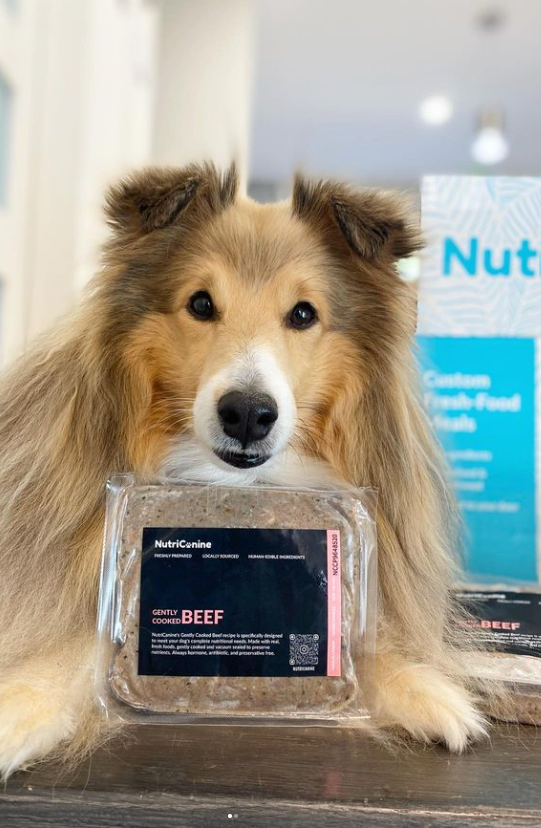
“I have three pups, all picky eaters, and they devoured their meals! I’m so happy to have found a quick, easy and super healthy food.”
 Verified Purchase
Dog Food for Picky Eaters: How to Choose a Meal Your Dog Will Actually Eat
The best dog food for picky eaters is one your dog consistently wants to eat that is also complete and balanced for their life stage. Foods with higher moisture, a stronger natural aroma, and a texture your dog prefers often help, especially when paired with a steady routine.
Who this is for
This page is for you if your dog:
- Walks away after a few bites or skips meals
- Seems interested in treats but not their regular food
- Prefers softer textures or foods with more aroma
- Eats inconsistently even though they seem otherwise normal
- Has you switching foods often or adding something new every day
If picky eating starts suddenly or comes with other changes like low energy, repeated vomiting, diarrhea, signs of discomfort, or noticeable weight change, it is a good idea to check in with your vet.
Why dogs get picky
Picky eating is often driven by preference, routine, or past experience. Many dogs respond strongly to aroma, moisture, and texture, and some learn to wait for something “better” if meals change often.
Aroma and moisture
Drier foods usually smell less at room temperature. Higher moisture can increase natural aroma and change mouthfeel.
Texture preferences
Some dogs dislike hard crunch, uniform kibble shapes, or very dry bites and do better with softer pieces.
Learned patterns
Frequent toppers or quick food swaps can teach a dog that refusal leads to a more exciting option.
Treats and table scraps
High-value extras can reduce interest in regular meals, especially if offered between scheduled feedings.
Environment
Stress, schedule changes, noise, or a busy feeding area can make some dogs less willing to eat.
Activity level
Appetite can vary with exercise and routine. Consistent feeding times make patterns easier to spot.
How to choose food for a picky eater
What to look for
- Higher moisture: fresh, gently cooked, wet formats, or rehydrated options
- Named animal proteins: for example chicken, turkey, beef, or salmon
- Texture options: softer pieces, patties, shreds, or mixable formats
- Ingredient clarity: readable ingredient lists and consistent recipes
- Complete and balanced nutrition: appropriate for life stage and size
How to test fit
- Transition gradually over 7 to 10 days (longer for sensitive dogs)
- Feed on a schedule, not all day grazing
- Give the new approach time before judging it (not just one meal)
- Keep treats modest while resetting the routine
- Track what changes: interest, stool consistency, and energy
Feeding routine that helps with picky eaters
Even a good food can fail if the routine turns meals into a negotiation. A simple routine can make appetite more predictable.
- Offer measured meals at set times (for example, morning and evening)
- Leave the bowl down for 15 to 20 minutes, then pick it up
- Limit between-meal treats while you reset the pattern
- Avoid day-to-day switching unless you are doing a planned transition
If your dog is tolerating the transition, aim for a consistent trial period rather than judging by one meal. Many owners find it helpful to give a new food 1 to 2 weeks of steady feeding after a gradual transition to see whether interest improves.
Comparison: what matters most for picky eaters
| Criteria | Why it matters | What to look for |
|---|---|---|
| Moisture level | Boosts aroma and changes mouthfeel | Fresh, gently cooked, wet, or rehydrated options |
| Protein quality | Often drives interest and supports nutrition | Named animal proteins and clear ingredients |
| Texture options | Some dogs reject hard or uniform bites | Softer pieces, patties, shreds, mixable formats |
| Ingredient clarity | Helps you learn what works for your dog | Readable ingredient lists and consistent recipes |
| Transition guidance | Reduces refusal and digestive upset | Clear step-by-step transition instructions |
| Consistency of supply | Prevents “food hopping” patterns | Stable recipes and reliable availability |
| Canadian delivery and storage | Protects freshness in transit and at home | Insulated, temperature-controlled shipping and clear storage instructions |
Why NutriCanine Works for Picky Eaters
NutriCanine can be a good fit for picky eaters because it is gently cooked and higher in moisture, which can increase natural aroma and soften texture for dogs that ignore drier foods.
NutriCanine is delivered across Canada in insulated, temperature-controlled packaging that is intended to help food arrive cool, with clear storage and feeding guidance. Like any diet change, it works best with a gradual transition and a consistent routine so you can see how your dog responds.
If you want to compare options, you can also explore feeding tips or review common questions on the FAQ page.
Build Your Dog's Plan
First-time customers receive 40% off their first purchase.
Build Your Dog's PlanDelivered across Canada · Easy transitions · Pause or cancel anytime
Frequently Asked Questions
Why is my dog so picky about food?
Many dogs are picky because of aroma, texture, routine, or learned habits from frequent treats and food changes. Preference can build over time if a dog has learned that refusing meals leads to something “better.” It can also be influenced by stress, activity level, or changes at home. If the change is sudden or comes with other symptoms, it is worth discussing with your vet.
Is fresh or wet food better for picky eaters than kibble?
Often, yes, because fresh or wet foods tend to have higher moisture and a stronger natural aroma, which can be more appealing. Some picky dogs still do well on kibble, especially if it is served on a schedule and lightly warmed or rehydrated. The best choice is one your dog eats consistently and that fits your storage and budget.
How long should I try a new dog food before switching again?
You should usually give a new food at least 1 to 2 weeks of consistent feeding after a gradual transition before deciding it is not a fit. Some dogs need time to accept a new smell and texture, especially if they are used to frequent variety. Switching too quickly can reinforce picky behavior and make it harder to tell what is actually working.
Should I keep adding toppers to get my dog to eat?
Toppers can help, but relying on constant new additions often teaches dogs to hold out for something more exciting. A more reliable approach is to use one consistent topper during a transition, then slowly reduce it over time. If you use toppers, keep portions modest so the base diet still provides most of the nutrition.
What feeding routine helps picky eaters most?
A scheduled routine usually helps most, such as offering measured meals at set times and picking up the bowl after 15 to 20 minutes. This reduces grazing and helps dogs learn that food is available at predictable times. Consistency matters, so try not to swap foods or treats in response to every refusal.
Can I rotate proteins or recipes for a picky eater?
Yes, but it works best when rotation is planned and consistent rather than reactive. Rotating within a small set of complete and balanced options can add variety without turning meals into a negotiation. If your dog has a sensitive stomach, slower changes and fewer variables are often easier.
Ready to Build a Fresh Plan?
First-time customers receive 40% off their first purchase.
Build Your Dog's PlanDelivered across Canada · Easy transitions · Pause or cancel anytime