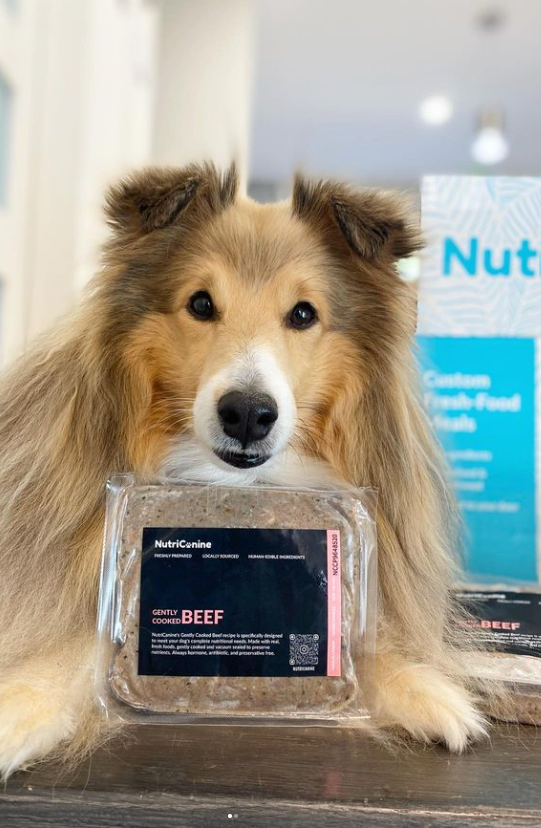
“I have three pups, all picky eaters, and they devoured their meals! I’m so happy to have found a quick, easy and super healthy food.”
 Verified Purchase
Dog Food for a Sensitive Stomach
Dog food for a sensitive stomach is usually a consistent, highly digestible, complete-and-balanced diet introduced slowly, with treats and extras kept simple during the transition. If symptoms are frequent, severe, or include blood, check in with your vet since “sensitive stomach” signs can overlap with other issues.
Signs that your dog has a sensitive stomach
This page is for you if your dog:
- Gets loose stool, gas, or soft poops on and off
- Vomits occasionally after meals, especially after new foods or rich treats
- Seems fine for a while, then flares up after chews, table scraps, or sudden diet changes
- Has a “touchy stomach” and you want a clear, step-by-step way to choose and test a food
If your dog has repeated vomiting, blood in stool, black tarry stool, marked lethargy, dehydration, severe belly pain, or is a young puppy or senior, contact your vet promptly.
How to choose for sensitive stomachs
“Sensitive stomach” is not one single diagnosis. The goal is to reduce variables and pick a diet you can feed consistently long enough to evaluate.
Start with consistency
Pick one complete-and-balanced food and stick with it long enough to see a pattern. Frequent switching makes it hard to tell what helped.
Keep ingredients straightforward
Look for a recipe your dog has historically tolerated. Many owners start with a familiar protein, moderate fat, and a clear ingredient list.
Watch fat and fibre
Very rich foods can be harder for some dogs. Steady fibre can help some dogs have more consistent stools, but responses vary.
Reduce extras
Treats, chews, toppers, and table scraps are common hidden triggers. Keep them minimal and consistent during a food trial.
Pick a format that fits
Kibble, canned, veterinary diets, or gently cooked fresh can all work if the recipe is complete, consistent, and introduced gradually.
Know when to escalate
If you suspect a true food sensitivity, your vet may suggest a structured diet trial. In some cases, they may recommend a veterinary diet such as hydrolyzed formulas.
How to tell if it is working
Give your plan a fair test. Many dogs need 2 to 4 weeks after the transition is complete to judge results.
- Stool: consistency and frequency
- Vomiting: whether it happens and when
- Gas and stomach noises: whether they improve
- Appetite and energy: whether meals stay comfortable
- Other changes: any new itchiness or ear issues (not always food-related, but worth noting)
Try to change only one major variable at a time. That is the easiest way to learn what your dog actually tolerates.
Build Your Dog's Plan
First-time customers receive 40% off their first purchase.
Build Your Dog's PlanDelivered across Canada · Easy transitions · Pause or cancel anytime
Why NutriCanine Works for Sensitive Stomachs
NutriCanine can be a practical option for some dogs with sensitive stomachs because it makes it easier to keep feeding consistent:
- Gently cooked recipes made with human-grade ingredients, portioned in a way that helps keep meals consistent day to day
- Clear feeding amounts and transition guidance to support a slower changeover
- Delivered across Canada in temperature-controlled packaging to help meals arrive cool and ready to store
- Plan-based portions that can reduce day-to-day changes in what and how much your dog eats
No food works for every dog, and stomach symptoms can have different causes. If signs are persistent, worsening, or paired with red flags like weight loss or blood in stool, it is best to involve your vet.
Helpful next steps
Keep it simple for 2 to 4 weeks
- Choose one complete-and-balanced food
- Transition slowly
- Limit treats and chews during the trial
- Track stool, vomiting, gas, and appetite
If you want help choosing portions and a routine, you can build your dog’s plan.
Learn more
- Read common feeding questions
- Browse nutrition tips
- Contact the team for non-medical feeding questions
If your dog’s symptoms are ongoing or severe, your vet can help you rule out non-food causes and choose a structured approach.
Frequently Asked Questions
What is the best type of dog food for a sensitive stomach?
A consistent, highly digestible, complete-and-balanced diet is often the best starting point for a sensitive stomach. Many dogs do well with moderate fat, steady fibre, and a simpler ingredient list, but the “best” option varies by dog. What matters most is choosing one good option and testing it without changing multiple variables at once.
How do I switch dog food if my dog has a sensitive stomach?
A slow transition over 7 to 14 days is usually the safest approach for sensitive dogs. Mix increasing amounts of the new food with the old food, and keep treats and extras simple during the switch. If your dog’s stool gets looser, it can help to pause at the current mix ratio for a few days.
How long should I try a new food before deciding it is not working?
Most dogs need at least 2 to 4 weeks after the transition is complete to judge how a food is working. Early changes can be influenced by the switch itself, treats, or stress, so tracking patterns matters. If things improve, keep the plan consistent rather than switching again too quickly.
Are limited-ingredient diets better for sensitive stomachs?
Sometimes, yes, because fewer ingredients can make it easier to spot what your dog tolerates. However, “limited ingredient” does not automatically mean more digestible or better quality. The overall recipe, fat level, fibre, and consistency still matter.
Is grain-free dog food better for a sensitive stomach?
Not necessarily, because grain-free is a label, not a guarantee of digestibility. Some dogs do better with grains and some do better without, depending on the specific recipe and the individual dog. It is usually more useful to focus on how your dog responds to the full formula.
Can treats and chews cause stomach upset even if the main food is fine?
Yes, treats and chews can be a common hidden trigger for loose stool or vomiting. During a food trial, keeping treats minimal and consistent helps you judge the main diet more clearly. Once your dog is stable, you can reintroduce extras one at a time.
Should I add pumpkin, fibre, or probiotics for a sensitive stomach?
Sometimes these can help, but it depends on the cause of the stomach upset and how your dog responds. Adding multiple supplements at once can make it harder to tell what is helping or hurting. It is usually best to stabilize the main diet first, then change one thing at a time if you decide to add anything.
Ready to Build a Fresh Plan?
First-time customers receive 40% off their first purchase.
Build Your Dog's PlanDelivered across Canada · Easy transitions · Pause or cancel anytime