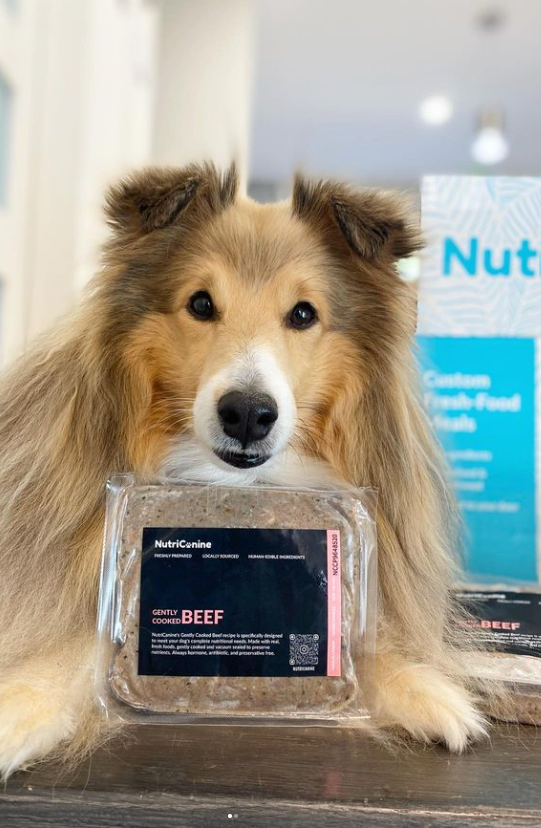
“I have three pups, all picky eaters, and they devoured their meals! I’m so happy to have found a quick, easy and super healthy food.”
 Verified Purchase
Quick Stats About the Chihuahua


Height 5–8 inches

Weight Under 6 lbs

Lifespan 14–16 years

Energy level Moderate to High

Shedding Low to Moderate

Grooming Low (smooth coat) to Moderate (long coat)
Breed Group
Toy
Demeanor
Bold, confident, and fiercely loyal
Temperament
Alert, spirited, and deeply devoted to their person
Everything You Need to Know

The Chihuahua is the world's smallest dog breed, but what they lack in stature they more than compensate for in personality, loyalty, and spirit. Named after the Mexican state of Chihuahua, this ancient breed is believed to descend from the Techichi, a small companion dog revered by the Toltec civilization. Today's Chihuahuas carry that legacy of closeness to humans—they are among the most intensely bonded of all dog breeds, often choosing one person as their devoted companion above all others. Despite their tiny size, Chihuahuas are alert, curious, and surprisingly bold, with a fearless temperament that makes them excellent watchdogs. They come in two coat varieties—smooth and long—and a wide range of colours and markings. Chihuahuas are highly adaptable and well suited to apartment living, provided their exercise and mental stimulation needs are met. Their small size, however, comes with specific health considerations, including dental disease, hypoglycemia, and patellar luxation, that require attentive care. Chihuahuas also have some of the highest metabolisms of any dog breed, making appropriate nutrition especially important for maintaining their energy and long-term health. With proper care, socialization, and diet, a Chihuahua can be a vibrant, joyful, and impressively long-lived companion. Understanding what makes this tiny breed unique is the first step toward giving your Chihuahua the exceptional life they deserve.
Create the Perfect Meal Plan for Your ChihuahuaWhat Makes a Chihuahua Unique
The Chihuahua holds the record as the world's smallest dog breed, yet consistently ranks among the top twenty most popular breeds globally—a testament to the enormous personality packed into their tiny frame. Archaeological evidence suggests that ancestors of the Chihuahua were companions to pre-Columbian civilizations in Mesoamerica, giving them one of the longest documented relationships with humans of any modern breed. Chihuahuas have one of the highest metabolic rates of any dog breed, meaning their tiny bodies burn through energy rapidly and are particularly vulnerable to hypoglycemic (low blood sugar) episodes. Despite their size, Chihuahuas have the largest brain-to-body-size ratio of all dog breeds, which may account for their quick learning and remarkable problem-solving ability. Their naturally occurring molera—a soft spot on the skull similar to a human infant's fontanelle—is a breed characteristic unique among dogs. Chihuahuas are one of the longest-lived dog breeds, with many reaching 14 to 16 years and some living well beyond that with excellent care. Their small size makes them extraordinarily adaptable to a wide range of living situations, from tiny city apartments to larger suburban homes. The Chihuahua's famously loyal, velcro-dog tendencies make them exceptional emotional support companions. Their oversized ears are not merely decorative—they provide exceptional hearing and help these alert little dogs serve as surprisingly effective watchdogs. For a dog that fits in a handbag, the Chihuahua's impact on human hearts has always been anything but small.
Create a Meal Plan That Caters to Your Chihuahua's Unique Needs
Health Considerations for Chihuahua
Like all purebred dogs, the Chihuahua has a set of health conditions they are more predisposed to than other breeds. Being informed about these risks allows owners to take preventive action, schedule appropriate screenings, and make dietary and lifestyle choices that minimize their impact. Many of these conditions are directly influenced by nutrition, making diet one of the most powerful tools in a Chihuahua owner's preventive health toolkit. The following are among the most important health considerations for this breed.
Dental Disease
Dental disease is the single most prevalent health problem in Chihuahuas, affecting the vast majority of the breed by middle age. Their small mouths cause overcrowding of the teeth, creating pockets where plaque and tartar accumulate rapidly and gingivitis quickly progresses to periodontal disease. Left untreated, dental disease causes chronic pain, tooth loss, and bacterial spread to the heart, kidneys, and liver. Daily tooth brushing is the gold standard for prevention, ideally beginning during puppyhood. Diet plays a direct role in dental health—fresh food diets are typically lower in fermentable carbohydrates than starchy kibble, potentially reducing the plaque load that fuels bacterial growth. Veterinary dental cleanings under anaesthesia should be performed regularly, typically once every one to two years, to address areas that brushing cannot reach.
Hypoglycemia (Low Blood Sugar)
Chihuahuas—especially puppies and very small adults—are particularly vulnerable to hypoglycemia, a rapid drop in blood sugar that can cause weakness, disorientation, trembling, and in severe cases, seizures or loss of consciousness. Their tiny bodies have very limited glycogen storage capacity and an extremely high metabolic rate, meaning blood glucose can fall quickly if they go too long without eating. Feeding small, frequent meals throughout the day (three to four times for puppies, two to three times for adults) is the primary management strategy. Diets that provide steady, slow-release energy rather than rapid blood-sugar spikes are preferable—fresh, whole-food diets with balanced macronutrients tend to perform better in this regard than highly processed, high-glycemic kibbles. Keeping a fast-acting glucose source (such as maple syrup or Karo syrup) on hand for emergencies is recommended by many veterinarians. Owners should be vigilant about recognizing early signs of hypoglycemia and contact their veterinarian promptly if symptoms occur.
Patellar Luxation
Patellar luxation—where the kneecap slips out of its normal groove in the femur—is extremely common in toy breeds, and Chihuahuas are no exception. Affected dogs may skip on their hind legs, carry one rear leg off the ground intermittently, or shake their leg to pop the kneecap back into place. Mild cases (Grade 1–2) can often be managed conservatively with weight control, anti-inflammatory support, and appropriate exercise. More severe cases (Grade 3–4) may require surgical correction to prevent progressive arthritis and chronic pain. Maintaining a healthy weight is one of the most impactful things an owner can do to reduce stress on the patellar mechanism. Joint-supportive nutrients such as omega-3 fatty acids, glucosamine, and chondroitin can help manage inflammation and support overall joint health in affected dogs.
Tracheal Collapse
Tracheal collapse is a condition in which the cartilage rings of the trachea (windpipe) weaken and flatten, causing a characteristic honking cough and varying degrees of breathing difficulty. It is seen with some frequency in toy breeds including Chihuahuas, particularly in middle-aged to older dogs. Triggers for coughing episodes include excitement, pulling on a collar, exposure to environmental irritants, and obesity. Using a harness rather than a neck collar for all walks is strongly recommended for Chihuahuas to reduce tracheal pressure. Weight management is critical, as even a small amount of excess weight significantly worsens respiratory symptoms in these tiny dogs. Environmental management—avoiding smoke, strong fragrances, and temperature extremes—combined with appropriate veterinary treatment forms the basis of tracheal collapse management.

Nutrition for Every Stage and Need
Because of their tiny size and uniquely high metabolic rate, Chihuahuas have some of the most specific nutritional needs of any dog breed. Getting their diet right—with the correct caloric density, nutrient balance, and meal frequency—is essential for maintaining stable energy levels and long-term health. NutriCanine's fresh, human-grade meal plans are formulated to meet AAFCO guidelines for all life stages and can be portioned precisely for even the smallest dogs.
Nutrition for Chihuahua Puppies

Chihuahua puppies have extraordinarily high caloric needs relative to their body size, driven by rapid growth and a blazing-fast metabolism. Frequent, small meals—ideally three to four per day—are essential to prevent hypoglycemic episodes, which are a genuine risk in very young, very small puppies. High-quality protein from fresh, digestible sources supports muscle and tissue development without overwhelming their tiny digestive systems. Calcium and phosphorus should be provided in appropriate ratios to support skeletal development, though the quantities needed are proportionally much smaller than for large-breed puppies. Puppies should not be expected to go more than four hours without food, particularly in the first several months of life.
Nutrition for Adult Chihuahuas
Adult Chihuahuas need a nutritionally dense diet that delivers all essential nutrients within a very small caloric package. Overfeeding is a surprisingly common problem in this breed, as even a few extra grams per day can add up to significant weight gain relative to their tiny frame. A high-quality protein source should anchor every meal, supporting muscle maintenance, immune function, and organ health. Dental health is closely linked to diet in Chihuahuas—choosing fresh food with lower fermentable carbohydrate content may help reduce plaque accumulation compared to starchy dry kibble. Omega-3 fatty acids support skin and coat health, which is particularly relevant for long-coat Chihuahuas prone to skin irritation.
Nutrition for Senior Chihuahuas
Chihuahuas are one of the longest-lived dog breeds, and many don't truly enter their senior years until age ten or beyond. When they do age, their metabolic rate decreases slightly, and caloric needs may reduce modestly—but protein should remain high to preserve lean muscle mass. Dental health becomes even more critical in older Chihuahuas, as gum disease and tooth loss can affect appetite and the ability to chew, making softer, fresher food textures particularly beneficial. Joint support through omega-3 fatty acids, glucosamine, and chondroitin becomes increasingly relevant, especially for dogs with a history of patellar luxation. Kidney health screening becomes more important in older dogs, and diets should be adjusted if kidney function begins to decline.
Nutrition for Overweight Chihuahuas
An overweight Chihuahua may not look dramatically different from the outside, but even 100 to 200 extra grams on a 2-kilogram dog represents a meaningful burden on their joints, respiratory system, and heart. Excess weight in Chihuahuas is also strongly associated with worsened tracheal collapse and patellar luxation symptoms. Calorie-controlled fresh food diets that maintain complete and balanced nutrition without excess energy are the best approach to weight loss in this breed. Avoiding high-calorie treats and table scraps is essential, as these can easily add a disproportionate number of calories for such a small dog. High-fibre vegetable additions can help your Chihuahua feel satisfied without caloric excess.
Nutrition for Chihuahuas with Sensitivities
Food sensitivities in Chihuahuas can manifest as skin irritation, chronic ear infections, tear staining, or gastrointestinal issues such as vomiting or loose stools. Common dietary triggers include certain proteins, artificial additives, and high-glycemic carbohydrate sources found in many commercial dry foods. An elimination diet using a limited-ingredient, novel-protein fresh food approach is the most reliable way to identify offending ingredients. Fresh food diets are inherently easier to manage for elimination protocols because their ingredients are transparent, traceable, and free from hidden processing agents. For Chihuahuas with hypoglycemic tendencies, any dietary change should be made gradually and meal frequency maintained to avoid blood sugar fluctuations.
Give Your Chihuahua the Nutrition They Deserve
The Chihuahua may be the world's smallest dog, but their nutritional needs are no less important than those of any larger breed—in fact, getting their diet precisely right matters even more, given their sensitivity to hypoglycemia, dental disease, and weight fluctuations. Fresh, human-grade food with transparent, high-quality ingredients delivers the nutrients your Chihuahua needs in a form their tiny digestive system can readily absorb. NutriCanine's personalized meal plans are carefully portioned for even the smallest dogs, ensuring your Chihuahua receives complete and balanced nutrition formulated to AAFCO standards. Every plan is built around your individual dog's weight, age, activity level, and health needs. Give your Chihuahua the kind of fresh, thoughtful nutrition they deserve—because a dog this devoted to you deserves nothing but the very best in return.
Chihuahua: The Ultimate Small Dog Breed (and Why You Should Own One)
Ready to Provide the Best Nutrition for Your Chihuahua?
NutriCanine's personalized meal plans are designed to meet the unique nutritional needs of your Chihuahua. Our fresh, high-quality ingredients ensure your dog gets the best possible nutrition. Start your journey to better health and happiness for your Chihuahua today.
Our Gently Cooked Recipes
- Guided by science
- Made fresh daily
Our recipes, developed by an agronomist, are nutrient-rich, delicious, and complete and balanced, meeting AAFCO guidelines.

Grain Free
Chicken Recipe
Bowl lickin' good - bet we don't keep our recipe a secret! For healthier skin and coat with nutrient-dense broccoli and carrots.
Learn More
Low Fat
Turkey Recipe
Just like your Thanksgiving meal, but specially designed for your dog. For improved digestibility, enhanced by superfood kale and butternut squash.
Learn More
Picky-Eater Approved
Beef Recipe
Perfect for the pickiest eaters and gluten-sensitive dogs with highly digestible rice and antioxidant-rich berries.
Learn More
Heart Healthy
Lamb Recipe
Designed for dogs with allergies and sensitivities, enriched by nutrient-packed green beans and carrots.
Learn More
Hypoallergenic & GI Support
Pork Recipe
Wrap your dog in comfort with every bowl - soothing relief for itchy skin and sensitive tummies, with irresistible flavour.
Learn More