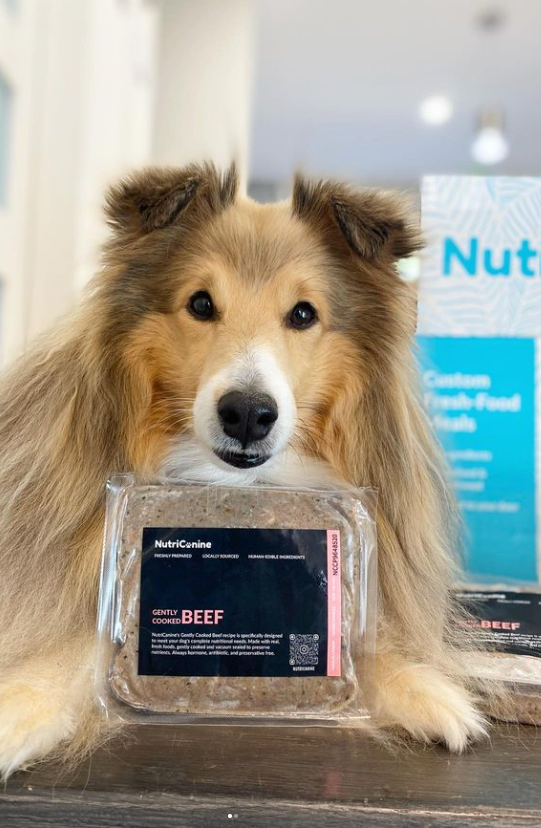
“I have three pups, all picky eaters, and they devoured their meals! I’m so happy to have found a quick, easy and super healthy food.”
 Verified Purchase
Quick Stats About the Chesapeake Bay Retriever


Height 21 to 26 inches

Weight 55 to 80 lbs

Lifespan 10 to 13 years

Energy level High

Shedding Moderate

Grooming Low to moderate
Breed Group
Sporting
Demeanor
Determined, confident
Temperament
Loyal, intelligent, hardworking
Chesapeake Bay Retriever: Everything You Need to Know

The Chesapeake Bay Retriever, affectionately known as the Chessie, is a robust and determined sporting dog with a deep love of water and a hardworking spirit. Developed along the shores of the Chesapeake Bay in Maryland, this breed was purpose-built to retrieve waterfowl in some of the harshest conditions imaginable, including icy waters and strong currents. The Chessie's distinctive wavy, oily coat provides exceptional insulation and water resistance that allows them to work in conditions that would challenge other breeds. They are known for being courageous, tenacious, and deeply devoted to their families. Unlike some retrievers, Chesapeake Bay Retrievers tend to be more reserved with strangers, showing a confident and independent character. They are highly intelligent dogs that form strong bonds with their owners and tend to be protective of those they love. Because of their high energy and working heritage, Chessies require consistent exercise, mental engagement, and proper nutrition to thrive. Their athletic build and active lifestyle mean that supporting muscle health, joint function, and sustained energy is especially important. Understanding the Chesapeake Bay Retriever's unique traits and needs helps owners provide the best possible care. With proper attention to training, activity, and nutrition, the Chessie is a loyal and capable companion built to go the distance.
Create the Perfect Meal Plan for Your Chesapeake Bay RetrieverWhat Makes a Chesapeake Bay Retriever Unique
The Chesapeake Bay Retriever is in a class of its own among sporting dogs, combining extraordinary physical endurance with a distinctive personality that sets it apart from its retriever cousins. While Labrador and Golden Retrievers are known for their outgoing friendliness, the Chessie possesses a more reserved and self-assured character that reflects its origins as a serious working dog. Their remarkable coat is unlike any other retriever breed, providing natural waterproofing and insulation that makes them capable of working in freezing water conditions that other dogs could not endure. Historically they were used by market hunters along the Chesapeake Bay to retrieve hundreds of birds in a single day, a testament to their legendary endurance and drive. This working heritage means that Chessies bring an unmatched level of toughness and determination to everything they do. They are highly perceptive dogs that are deeply in tune with their handlers, often anticipating what is needed without being told. Their loyalty tends to run deep, and they form lasting, devoted bonds with their families. The Chessie's independence and confidence make them best suited to owners who appreciate a dog with its own strong personality. Their combination of athletic capability, protective instincts, and deep devotion to family makes them a truly remarkable breed. For those willing to invest in proper training and nutrition, the Chesapeake Bay Retriever is an unparalleled companion and working partner.
Create a Meal Plan That Caters to Your Chesapeake Bay Retriever's Unique Needs
Health Considerations for Chesapeake Bay Retriever
Chesapeake Bay Retrievers are generally a hardy and healthy breed, but like all dogs they may be predisposed to certain genetic and breed-related health conditions. Responsible breeding, routine veterinary care, and proper nutrition all support long-term health and quality of life. Maintaining a healthy body weight is especially important for this active breed to protect joint health and sustain energy levels. Staying informed about common health concerns helps owners take a proactive approach to their Chessie's wellbeing.
Hip Dysplasia
Hip dysplasia is an orthopedic condition that can affect Chesapeake Bay Retrievers, particularly given their active and physically demanding lifestyle. The condition occurs when the hip joint develops abnormally, causing instability, discomfort, and progressive joint degeneration over time. Signs can include stiffness, a reluctance to exercise, or difficulty rising after rest. Maintaining a healthy body weight reduces stress on the joints and can help manage symptoms. Balanced nutrition that supports bone and muscle health is an important preventive and supportive measure. Early veterinary screening and diagnosis allow for better long-term management and quality of life.
Progressive Retinal Atrophy (PRA)
Progressive retinal atrophy is a hereditary eye condition that can affect Chesapeake Bay Retrievers and leads to a gradual degeneration of the retina. Affected dogs may initially show signs of night blindness before experiencing progressive vision loss over time. Genetic testing is available and responsible breeders screen breeding dogs to reduce the risk of passing the condition to offspring. While there is currently no treatment to reverse or stop PRA, dogs can often adapt well to vision changes with appropriate owner support. Regular veterinary eye examinations help monitor progression and inform management decisions. Early detection allows owners to make adjustments to the dog's environment to support their quality of life.
Elbow Dysplasia
Elbow dysplasia is a joint condition that involves abnormal development of the elbow and can cause pain, lameness, or reduced range of motion in affected dogs. Chesapeake Bay Retrievers may be predisposed to this condition given their active working nature. Signs can include forelimb lameness, stiffness after exercise, or reluctance to extend the front legs. Controlled growth during puppyhood and maintaining appropriate body weight are important preventive measures. Regular veterinary evaluation helps detect joint issues early and guides appropriate treatment options. Supporting joint health through balanced nutrition and controlled exercise is beneficial for affected dogs.
Degenerative Myelopathy
Degenerative myelopathy is a progressive neurological condition affecting the spinal cord that has been identified in Chesapeake Bay Retrievers. The condition causes gradual weakness and loss of coordination, typically beginning in the hindquarters. Early signs may include stumbling, difficulty rising, or a change in gait. Genetic testing is available to identify carriers and responsible breeders screen for the condition. While there is no cure, physical rehabilitation and supportive care can help maintain mobility and quality of life for as long as possible. Regular veterinary monitoring is important for dogs at risk or showing early neurological changes.

Nutrition for Every Stage and Need
Proper nutrition is essential for fueling the athleticism, endurance, and working drive of a breed as capable as the Chesapeake Bay Retriever. Their active lifestyle and muscular build require a carefully balanced diet that supports sustained energy, joint health, and long-term vitality across every life stage.
Nutrition for Chesapeake Bay Retriever Puppies

Chesapeake Bay Retriever puppies grow steadily and require balanced nutrition to support healthy bone and muscle development without promoting excessive growth. Protein-rich diets help build the strong muscles that will support their active adult lives. Controlled calcium and phosphorus levels are important for supporting healthy bone formation during growth. High quality, digestible ingredients promote healthy digestion as puppies transition to solid food. Feeding consistent meals at regular intervals supports healthy energy levels and establishes good eating habits. Providing the right nutritional foundation during puppyhood helps set Chesapeake Bay Retrievers up for a lifetime of health and performance.
Nutrition for Adult Chesapeake Bay Retriever
Adult Chesapeake Bay Retrievers are highly active dogs that require diets capable of supporting their demanding energy expenditure. High quality protein supports lean muscle maintenance and recovery after vigorous exercise. Healthy fats, including omega-3 fatty acids, support joint health, coat condition, and overall inflammatory balance. Digestible carbohydrates provide the sustained energy needed for long days of activity, whether hunting, swimming, or training. Portion control helps maintain an ideal body condition and prevents excess weight that could strain joints. A well-balanced diet keeps adult Chessies performing at their best and supporting their active working lifestyle.
Nutrition for Senior Chesapeake Bay Retriever
As Chesapeake Bay Retrievers age, their activity levels and metabolic rate may gradually decline. Senior dogs benefit from diets that help maintain lean muscle mass, support joint health, and promote healthy digestion. Easily digestible ingredients reduce the burden on the digestive system and help ensure efficient nutrient absorption. Adjusting calorie intake appropriately helps prevent weight gain that can place added strain on aging joints and organs. Nutrients that support cognitive function, immune health, and cardiovascular health become increasingly important with age. Thoughtful nutrition helps senior Chessies remain comfortable, mobile, and engaged in daily life.
Nutrition for Overweight Chesapeake Bay Retriever
While Chesapeake Bay Retrievers are naturally athletic dogs, weight gain can occur with changes in activity level or overfeeding. Excess body weight places additional stress on joints and reduces the physical performance and endurance that defines the breed. Calorie-controlled diets support safe and gradual weight reduction without sacrificing essential nutrients. Lean protein sources help preserve muscle mass while reducing overall calorie and fat intake. Consistent portion control combined with appropriate physical activity is essential for effective weight management. A personalized feeding plan helps your Chessie return to and maintain an ideal body condition.
Nutrition for Sensitive Chesapeake Bay Retriever
Some Chesapeake Bay Retrievers may experience food sensitivities or digestive issues that require a more targeted nutritional approach. Diets formulated with high quality, limited, and easily digestible ingredients help minimize the likelihood of dietary sensitivities. Novel protein or limited ingredient formulas can be effective for dogs with identified food intolerances or allergies. Balanced dietary fiber supports healthy digestion and gut motility for dogs prone to digestive upset. Monitoring your dog's response to individual ingredients helps identify the dietary approach that works best for them. A personalized nutrition plan provides tailored support for Chessies with specific dietary sensitivities or needs.
Give Your Chesapeake Bay Retriever the Nutrition They Deserve
Chesapeake Bay Retrievers thrive on nutrition that matches their legendary endurance and supports their strong, athletic build. Fresh, high quality ingredients provide essential nutrients in a form that active sporting dogs can efficiently digest and utilize. Personalized feeding plans ensure your Chessie receives the right portion sizes based on their age, weight, and activity level, supporting ideal body condition and sustained performance. NutriCanine meal plans are crafted to meet AAFCO nutritional standards using real, human-grade ingredients chosen for quality and digestibility. With a customized approach, your Chesapeake Bay Retriever receives nutrition designed specifically to fuel their drive, protect their joints, and support their long-term health.
Chesapeake Bay Retriever | Is It Right For You?
Ready to Provide the Best Nutrition for Your Chesapeake Bay Retriever?
NutriCanine's personalized meal plans are designed to meet the unique nutritional needs of your Chesapeake Bay Retriever. Our fresh, high-quality ingredients ensure your dog gets the best possible nutrition. Start your journey to better health and happiness for your Chesapeake Bay Retriever today.
Our Gently Cooked Recipes
- Guided by science
- Made fresh daily
Our recipes, developed by an agronomist, are nutrient-rich, delicious, and complete and balanced, meeting AAFCO guidelines.

Grain Free
Chicken Recipe
Bowl lickin' good - bet we don't keep our recipe a secret! For healthier skin and coat with nutrient-dense broccoli and carrots.
Learn More
Low Fat
Turkey Recipe
Just like your Thanksgiving meal, but specially designed for your dog. For improved digestibility, enhanced by superfood kale and butternut squash.
Learn More
Picky-Eater Approved
Beef Recipe
Perfect for the pickiest eaters and gluten-sensitive dogs with highly digestible rice and antioxidant-rich berries.
Learn More
Heart Healthy
Lamb Recipe
Designed for dogs with allergies and sensitivities, enriched by nutrient-packed green beans and carrots.
Learn More
Hypoallergenic & GI Support
Pork Recipe
Wrap your dog in comfort with every bowl - soothing relief for itchy skin and sensitive tummies, with irresistible flavour.
Learn More