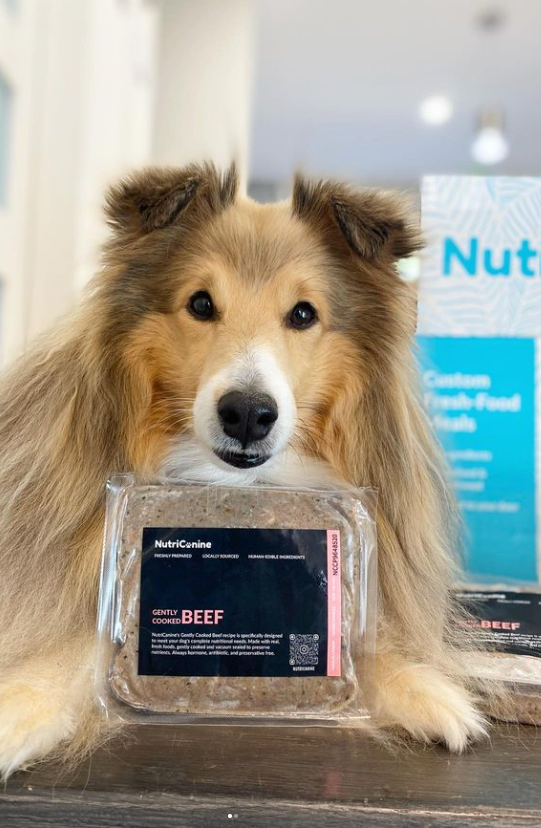
“I have three pups, all picky eaters, and they devoured their meals! I’m so happy to have found a quick, easy and super healthy food.”
 Verified Purchase
Quick Stats About the Bullmastiff


Height 24 to 27 inches

Weight 100 to 130 lbs

Lifespan 7 to 9 years

Energy level Moderate

Shedding Moderate

Grooming Low
Breed Group
Working
Demeanor
Calm, confident
Temperament
Loyal, protective, gentle
Bullmastiff: Everything You Need to Know

The Bullmastiff is a large and powerfully built guardian breed with a history rooted in the game estates of Victorian England, where these imposing dogs were developed by gamekeepers in the nineteenth century to silently track and apprehend poachers without attacking them, holding intruders until their handlers arrived. The breed was created by crossing the English Mastiff, which contributed size and temperament, with the Old English Bulldog, which brought tenacity, courage, and speed, producing a dog that was approximately sixty percent Mastiff and forty percent Bulldog and that possessed exactly the combination of power, agility, and controlled aggression that the gamekeeper's role required. Their reputation for moving silently through darkness, locating intruders by scent, and restraining rather than harming them earned them the nickname the Gamekeeper's Night Dog, a title that speaks to their unique combination of physical power and behavioral restraint. The Bullmastiff was officially recognized by the Kennel Club in England in 1924 and by the American Kennel Club in 1933, and has grown steadily in popularity as a family guardian and devoted companion in the century since. Despite their formidable size and working heritage as protection animals, well-bred and properly socialized Bullmastiffs are known for their calm, gentle, and deeply affectionate nature within the family circle, often behaving with a docility and patience that surprises those unfamiliar with the breed. They are devoted and loyal dogs that form powerful bonds with their families and take their protective responsibilities seriously without displaying unnecessary aggression. Because of their giant size, Bullmastiffs require thoughtful nutrition, careful weight management, and attentive monitoring of joint and cardiovascular health throughout their lives. Understanding the Bullmastiff's history, character, and specific health considerations helps owners provide the most responsible and loving care for this extraordinary guardian breed. With the right nutrition and care, the Bullmastiff is a devoted, gentle, and deeply impressive companion that combines quiet power with remarkable warmth.
Create the Perfect Meal Plan for Your BullmastiffWhat Makes a Bullmastiff Unique
The Bullmastiff is one of the very few dog breeds in existence whose origin, purpose, and physical characteristics can be traced with precision to a specific documented time, place, and set of practical requirements, making their history one of the most clearly defined in the canine world. The gamekeepers of Victorian England needed a specific tool for a specific job, and they designed the Bullmastiff with the methodical practicality of craftsmen, crossing breeds in documented proportions until the result matched their requirements. The Gamekeeper's Night Dog nickname captures something essential about the breed's character, because the ability to move silently through darkness, to locate and hold rather than harm, and to exercise restraint rather than aggression in a situation of high tension requires a degree of emotional intelligence and self-control that is genuinely remarkable in a dog of this power and size. What makes the Bullmastiff uniquely compelling as a companion is the particular contrast between their physical presence, which is genuinely imposing and commands respect from virtually anyone who encounters it, and their domestic personality, which is often surprisingly gentle, affectionate, and calm within the family home. Unlike some guardian breeds that maintain a vigilant, high-alert posture even in familiar settings, the Bullmastiff tends toward a relaxed, steady confidence indoors that makes them comfortable and manageable household companions despite their size. Their relatively low exercise requirements compared to many other working breeds of similar size also make them more accessible to a range of households than their physical magnitude might suggest. The Bullmastiff's short lifespan, which averages seven to nine years, is one of the most poignant aspects of the breed and makes every aspect of their care, including nutrition, a particularly meaningful expression of the owner's commitment to the dog's quality of life. Every meal is an opportunity to support their joints, their cardiovascular health, and the body condition that determines how comfortably they move through their relatively brief but deeply devoted years. For those who are drawn to a dog of genuine presence, quiet power, and profound loyalty, the Bullmastiff is one of the most rewarding guardian companions the canine world has to offer.
Create a Meal Plan That Caters to Your Bullmastiff's Unique Needs
Health Considerations for Bullmastiff
Bullmastiffs are a gentle and devoted breed, but their giant size and relatively short lifespan mean that health management is a particularly meaningful responsibility throughout their lives. Proactive care, responsible breeding, regular veterinary monitoring, and carefully managed nutrition are all essential components of giving a Bullmastiff the best possible quality and length of life. Maintaining a lean body condition is among the most impactful things an owner can do, as excess weight compounds every health risk this breed faces. Being well-informed about the Bullmastiff's most common health concerns allows owners to act decisively and early when signs of concern arise.
Hip and Elbow Dysplasia
Hip and elbow dysplasia are among the most common and impactful orthopedic conditions in the Bullmastiff, whose very substantial body weight places extraordinary stress on the joints throughout life. Both conditions involve abnormal joint development that leads to instability, pain, and progressive arthritis, and both are significantly worsened by excess body weight and rapid growth during puppyhood. Signs can include stiffness after rest, reluctance to exercise, difficulty rising, or a change in gait or movement pattern. Maintaining a lean body condition from puppyhood through old age is one of the most effective preventive and management strategies available. Giant breed puppy nutrition that supports controlled rather than accelerated growth is particularly important during the first eighteen months of life. Early veterinary screening and appropriate management, tailored to the individual dog's severity and lifestyle, improve long-term comfort and quality of life.
Bloat (Gastric Dilatation-Volvulus)
Bloat is a life-threatening emergency that represents a significant risk for the Bullmastiff given their large, deep-chested body conformation. Gastric dilatation-volvulus involves the stomach rapidly filling with gas and potentially twisting on itself, cutting off blood supply and requiring immediate surgical intervention. Signs include a visibly distended abdomen, unproductive retching, restlessness, excessive drooling, and sudden severe distress, all of which require emergency veterinary care without any delay. Feeding two smaller meals daily rather than one large meal and avoiding vigorous exercise for at least one hour before and after eating are the most important daily preventive practices. Owners of Bullmastiffs should discuss the option of prophylactic gastropexy with their veterinarian, particularly at the time of any planned surgical procedure such as spay or neuter. Any suspected episode of bloat must be treated as an immediate veterinary emergency.
Lymphoma
Lymphoma, a cancer of the lymphatic system, has been documented at elevated rates in Bullmastiffs compared to many other breeds and represents an important health concern for owners and breeders to be aware of. The condition can present in several forms affecting different body systems, with the most common signs including enlarged lymph nodes, unexplained weight loss, lethargy, reduced appetite, or increased thirst and urination. Regular veterinary examinations with attention to lymph node size and any unexplained changes in body condition help with early detection. Veterinary oncology has advanced significantly, and a range of treatment options including chemotherapy protocols have produced meaningful responses in many affected dogs. Responsible breeders track health data across their lines and support ongoing research into the genetic basis of cancer predisposition in the breed. A diet that supports immune function and overall health is a meaningful dietary foundation for a breed with elevated cancer risk.
Heart Disease
Heart disease, including dilated cardiomyopathy, has been documented in Bullmastiffs and is a health concern that warrants regular monitoring as the breed ages. The condition involves a weakening and enlargement of the heart muscle that reduces its pumping efficiency, which can lead to fluid accumulation, exercise intolerance, and in advanced cases, heart failure. Early signs can include a heart murmur detected during a routine veterinary examination, lethargy, reduced exercise tolerance, or coughing. Regular cardiac evaluations through routine veterinary visits allow for early detection and monitoring of any changes. A balanced diet that supports overall cardiovascular health is a meaningful part of long-term care for a large breed with documented cardiac risk. Early diagnosis provides the best foundation for effective medical management and extended quality of life.

Nutrition for Every Stage and Need
Proper nutrition is one of the most important and meaningful investments a Bullmastiff owner can make in their dog's health, comfort, and longevity. Their giant size, orthopedic predispositions, bloat risk, cardiac considerations, and shorter-than-average lifespan all make carefully balanced, thoughtfully portioned feeding a central responsibility at every stage of this breed's devoted and powerful life.
Nutrition for Bullmastiff Puppies

Bullmastiff puppies grow at a remarkable pace and require very carefully managed nutrition to support healthy development without promoting the rapid, excessive growth that significantly increases the risk of serious developmental joint conditions in a giant breed. Giant breed puppy formulas are specifically designed to regulate calcium, phosphorus, and calorie intake to support controlled skeletal development in puppies that will reach 100 to 130 pounds at maturity. High quality protein supports healthy muscle development as puppies gradually build toward their substantial adult frame. Avoiding calcium supplementation and high-calorie diets during the growth phase is especially critical for Bullmastiff puppies, as excess nutritional acceleration during this period has direct consequences for long-term joint health. Feeding two to three structured meals daily rather than one large feeding reduces rapid gastric distension and supports bloat risk management from the earliest stage of life. A carefully controlled nutritional approach in puppyhood is one of the greatest health gifts an owner can give their Bullmastiff.
Nutrition for Adult Bullmastiff
Adult Bullmastiffs have lower caloric needs relative to their size than many people expect, as their moderate activity level and tendency to rest indoors means overfeeding is one of the most common and consequential nutritional mistakes owners make with this breed. High quality protein supports lean muscle maintenance and preserves the musculature that cushions and protects the joints in a heavy-bodied dog. Healthy fats in appropriate amounts support coat condition and cardiovascular health. Dividing daily intake into two meals per day rather than one is an important bloat prevention practice that should be maintained as a permanent feeding habit throughout the adult Bullmastiff's life. Strict portion control and regular veterinary body condition assessment are essential tools for maintaining the lean condition that protects joints and cardiac health. A well-balanced, carefully portioned diet is among the most meaningful daily contributions to a Bullmastiff's quality of life and longevity.
Nutrition for Senior Bullmastiff
As Bullmastiffs enter their senior years, which can begin as early as six years of age in a giant breed, joint support, cardiac health, and weight management become even more pressing nutritional priorities. Senior dogs benefit from easily digestible ingredients that support efficient nutrient absorption as the digestive system becomes less effective with age. Joint-supporting nutrients, including omega-3 fatty acids, become increasingly important as aging joints in a very heavy-bodied dog require every available source of nutritional support. Adjusting calorie intake appropriately prevents the weight gain that is common as activity levels naturally decline in older dogs. Nutrients that support immune function and cardiovascular health become increasingly valuable through the senior years given the breed's documented cardiac and cancer risks. Thoughtful senior nutrition helps Bullmastiffs remain as comfortable, mobile, and close to their families as possible across every remaining year.
Nutrition for Overweight Bullmastiff
Weight management is one of the most critical health interventions available to Bullmastiff owners, as excess weight in a giant, joint-vulnerable breed with cardiac and bloat risks creates compounding health burdens with direct consequences for both quality and length of life. Even a relatively small amount of excess weight, such as ten to fifteen pounds, represents a significant additional burden on a dog already carrying over one hundred pounds. Calorie-controlled diets support safe and gradual weight loss while maintaining the essential nutrient quality needed to support joint health, immune function, and cardiovascular wellbeing. Lean protein sources help preserve muscle mass during the weight management process, which is important for maintaining the joint support and metabolic health that muscle provides. Consistent portion control and regular gentle exercise are both essential components of an effective weight management plan for this breed. A personalized feeding plan helps Bullmastiffs return to a lean, comfortable body condition that meaningfully protects their joints, heart, and overall quality of life.
Nutrition for Sensitive Bullmastiff
Some Bullmastiffs may experience food sensitivities or digestive issues that require a more targeted nutritional approach. Their large size means that digestive upset can be more disruptive and harder to manage than in smaller breeds, making dietary stability and ingredient consistency particularly valuable. Diets made with high quality, limited, and easily digestible ingredients help reduce the likelihood of adverse dietary reactions. Novel protein or limited ingredient formulas can be effective for dogs with identified food intolerances or allergies. Balanced dietary fiber supports healthy gut motility and comfortable, regular digestion in a large-bodied dog whose digestive health is closely tied to bloat risk management. A personalized nutrition plan provides targeted support for sensitive Bullmastiffs while still meeting the substantial nutritional requirements of one of the most devoted and powerful breeds in the canine world.
Give Your Bullmastiff the Nutrition They Deserve
Bullmastiffs deserve nutrition that is as carefully considered and purposeful as the breed itself. Fresh, high quality ingredients provide essential nutrients in a highly digestible form that supports lean muscle, healthy joints, and the cardiovascular health that every year with this breed depends on. Personalized feeding plans ensure your Bullmastiff receives precisely the right portion sizes across two daily meals, based on their age, weight, and individual health profile, protecting them from the excess weight that so directly affects their comfort and longevity. NutriCanine meal plans are developed to meet AAFCO nutritional standards using real, human-grade ingredients selected for quality and digestibility. With a customized approach, your Bullmastiff receives the targeted, thoughtful nutrition they deserve to move freely, guard quietly, and offer the profound and gentle loyalty that makes this remarkable breed one of the most treasured companions in the world.
Bullmastiff Breed Review
Ready to Provide the Best Nutrition for Your Bullmastiff?
NutriCanine's personalized meal plans are designed to meet the unique nutritional needs of your Bullmastiff. Our fresh, high-quality ingredients ensure your dog gets the best possible nutrition. Start your journey to better health and happiness for your Bullmastiff today.
Our Gently Cooked Recipes
- Guided by science
- Made fresh daily
Our recipes, developed by an agronomist, are nutrient-rich, delicious, and complete and balanced, meeting AAFCO guidelines.

Grain Free
Chicken Recipe
Bowl lickin' good - bet we don't keep our recipe a secret! For healthier skin and coat with nutrient-dense broccoli and carrots.
Learn More
Low Fat
Turkey Recipe
Just like your Thanksgiving meal, but specially designed for your dog. For improved digestibility, enhanced by superfood kale and butternut squash.
Learn More
Picky-Eater Approved
Beef Recipe
Perfect for the pickiest eaters and gluten-sensitive dogs with highly digestible rice and antioxidant-rich berries.
Learn More
Heart Healthy
Lamb Recipe
Designed for dogs with allergies and sensitivities, enriched by nutrient-packed green beans and carrots.
Learn More
Hypoallergenic & GI Support
Pork Recipe
Wrap your dog in comfort with every bowl - soothing relief for itchy skin and sensitive tummies, with irresistible flavour.
Learn More