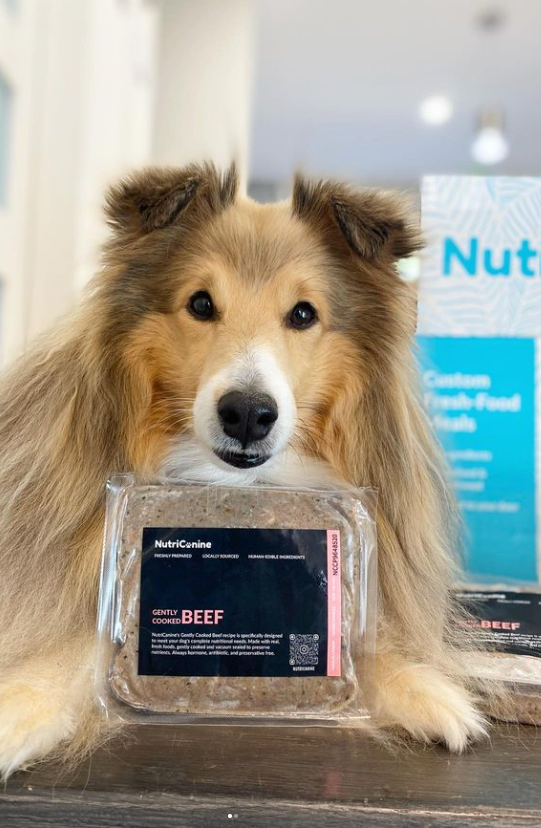
“I have three pups, all picky eaters, and they devoured their meals! I’m so happy to have found a quick, easy and super healthy food.”
 Verified Purchase
Quick Stats About the Bloodhound


Height 23 to 27 inches

Weight 80 to 110 lbs

Lifespan 10 to 12 years

Energy level Moderate to high

Shedding Moderate

Grooming Low to moderate
Breed Group
Hound
Demeanor
Gentle, determined
Temperament
Affectionate, tenacious, patient
Bloodhound: Everything You Need to Know

The Bloodhound is one of the oldest and most celebrated scent hound breeds in the world, renowned for possessing the most extraordinary olfactory capability of any domestic dog and a tracking ability so reliable that the results of a Bloodhound trailing a human scent are legally admissible as evidence in courts across the United States and several other countries. The breed takes its name not from any association with blood or violence but from the medieval term blooded hound, referring to hounds of pure, documented noble lineage, a designation that reflects the careful breeding records kept by European monasteries, particularly those of Saint Hubert in Belgium, where a foundational type of scent hound was developed in the seventh century and later refined into the modern Bloodhound. Their extraordinary nose, which contains roughly 300 million scent receptors compared to around six million in a human, combined with their long, pendulous ears that help funnel scent toward the nose and their wrinkled skin that traps scent particles, make them uniquely engineered for trailing work that no other breed or technology can fully replicate. Despite their serious working reputation, Bloodhounds are gentle, affectionate, and often goofy family companions that tend to be patient with children, affable with strangers, and deeply attached to their people. Their size, their drooling, their vocalization, and their single-minded commitment to following a scent are aspects of the breed that prospective owners must genuinely embrace rather than manage. Supporting their large, active frame and their long-term joint and cardiovascular health through balanced nutrition is an important responsibility for any Bloodhound owner. Understanding the Bloodhound's unique working heritage, gentle personality, and specific care needs helps owners provide the attentive and loving home this remarkable breed deserves. With the right care and nutrition, the Bloodhound is one of the most loyal, capable, and endearingly distinctive companions in the entire dog world.
Create the Perfect Meal Plan for Your BloodhoundWhat Makes a Bloodhound Unique
The Bloodhound occupies a position of genuine distinction in both the working dog world and in the broader history of the human-canine partnership that no other breed can claim, defined by a single extraordinary biological capability that has made them irreplaceable as a tool of law enforcement and search and rescue for hundreds of years. The fact that Bloodhound tracking evidence is legally admissible in court in many jurisdictions, a status shared by no other dog breed, speaks to a level of verified reliability that places their nose in a category entirely its own. The specific anatomical features that make this possible, their 300 million scent receptors, their long folded ears that sweep scent from the ground upward toward the nose, and their wrinkled facial skin that traps scent particles in its folds, are the product of centuries of deliberate selective breeding by monastic breeders who understood what they were creating long before the science of genetics provided any explanation for why it worked. Their association with Saint Hubert of Belgium, who is considered the patron saint of hunters, gives the Bloodhound a spiritual and historical dimension unusual even among breeds with rich documented histories. In temperament, the Bloodhound presents one of the canine world's great contrasts: a dog whose professional reputation is built on relentless, unstoppable determination on the trail and whose domestic personality is defined by gentleness, patience, and an almost comedic fondness for flopping onto the nearest soft surface and sleeping deeply. Their drool, their bay, their wrinkles, and their ears are features that prospective owners must genuinely love rather than simply tolerate, as they are inseparable from the breed's identity and present in abundance every day. Their large, deep-chested build makes bloat a meaningful health risk that all Bloodhound owners should understand and manage proactively. Nutrition that supports their substantial frame, their joint health, and their cardiovascular health is a particularly important aspect of responsible ownership given the physical demands and shorter lifespan that characterize large breed dogs. For those who love them without reservation, Bloodhounds offer a depth of gentle loyalty and a working capability that is genuinely unmatched in the entire animal kingdom.
Create a Meal Plan That Caters to Your Bloodhound's Unique Needs
Health Considerations for Bloodhound
Bloodhounds are a large, lovable breed with some significant health considerations that are directly related to their impressive size, their deep chest, and their abundant loose skin. Proactive management of these risks, combined with responsible breeding, regular veterinary care, and balanced nutrition, is essential to supporting the best possible health and quality of life throughout their lives. Maintaining a healthy body weight is among the most impactful steps a Bloodhound owner can take to protect their dog's joints, cardiovascular health, and overall longevity. Being well-informed about the breed's most common health concerns equips owners to monitor and respond effectively.
Bloat (Gastric Dilatation-Volvulus)
Bloat is one of the most serious and urgent health risks for Bloodhounds, whose large, deep-chested body conformation places them among the breeds at highest risk for this life-threatening condition. Gastric dilatation-volvulus involves the stomach filling rapidly with gas and potentially twisting on itself, cutting off blood supply to the stomach and surrounding organs and requiring immediate emergency surgical intervention. Signs include a visibly distended abdomen, unproductive retching, restlessness, excessive drooling, and sudden severe distress. Feeding two smaller meals daily rather than one large feeding, and avoiding vigorous exercise for at least one to two hours before and after eating, are the most important preventive practices. Owners of Bloodhounds should discuss the option of prophylactic gastropexy with their veterinarian, a surgical procedure that prevents the stomach from rotating and dramatically reduces GDV risk. Any suspected episode of bloat is a veterinary emergency requiring immediate transport to a clinic without delay.
Hip and Elbow Dysplasia
Hip and elbow dysplasia are orthopedic conditions that affect Bloodhounds at elevated rates given their substantial body weight and the physical demands of their working lifestyle. Both conditions involve abnormal joint development that leads to instability, pain, and progressive arthritis over time. Signs can include stiffness after rest, reluctance to climb stairs or jump, changes in gait, or reduced willingness to exercise. Maintaining a lean body condition throughout life is one of the most important preventive and management measures available, as excess weight dramatically increases the load on already compromised joints. Balanced nutrition that supports bone, muscle, and joint health from puppyhood onward provides a meaningful protective foundation. Early veterinary screening and appropriate management, which may include medical therapy, physiotherapy, or surgery depending on severity, improve long-term comfort and mobility.
Ear Infections
Ear infections are one of the most common and frequently recurring health issues in Bloodhounds, a direct consequence of their extraordinarily long, pendulous ears that restrict airflow and create a warm, moist environment highly favorable to bacterial and yeast growth. Dogs that spend time in wet or outdoor environments are at particularly elevated risk. Signs include head shaking, scratching at the ears, visible redness or discharge from the ear canal, or a characteristic odor. Regular ear cleaning with a veterinarian-recommended cleanser is the most effective preventive practice and should be performed at least weekly and after any water exposure. Thorough drying of the ear canal after outdoor activity and bathing reduces moisture accumulation significantly. Prompt veterinary treatment of early signs prevents infections from becoming chronic, painful, or resistant to standard treatment.
Skin Fold Dermatitis
Skin fold dermatitis is a common condition in Bloodhounds related to the abundance of loose, wrinkled skin around their face, neck, and jowls that creates warm, moist pockets prone to bacterial and yeast overgrowth. The condition causes redness, irritation, odor, and discomfort within and around the affected folds, and can progress to more significant infection if left unmanaged. Regular cleaning and thorough drying of all skin folds is the most important preventive practice and should be incorporated into the dog's daily routine. Products formulated for sensitive or fold-prone skin are preferred to avoid irritation from harsh cleansers. Signs of infection, including visible redness, discharge, or odor from a fold area, warrant prompt veterinary attention. A diet that supports skin barrier function and immune health provides an additional layer of protection against recurring skin conditions.

Nutrition for Every Stage and Need Section
Proper nutrition is essential for supporting the strength and health of a powerful breed like the Rottweiler. Their muscular build and active lifestyle require balanced nutrients that support muscle development, joint health, and sustained energy. Tailoring nutrition to each life stage helps ensure long term wellbeing.
Nutrition for Rottweiler Puppies

Rottweiler puppies grow rapidly during their first year and require carefully balanced nutrition. Controlled levels of calcium and phosphorus help support proper bone development. High quality protein supports healthy muscle growth as puppies gain size and strength. Because large breed puppies are prone to joint issues, controlled growth is important. Feeding balanced meals designed for large breed development helps protect joints during growth. Providing the right nutrition early in life supports a strong foundation for adulthood.
Nutrition for Adult Rottweiler
Adult Rottweilers benefit from diets that support muscle maintenance and sustained energy. High quality protein sources help maintain their muscular build. Balanced fats provide energy while supporting skin and coat health. Portion control is important to prevent excess weight that could strain joints. Digestible carbohydrates help fuel daily activity and exercise. A balanced diet helps adult Rottweilers remain strong, active, and healthy.
Nutrition for Senior Rottweiler
As Rottweilers age, their activity levels and metabolism may gradually change. Senior dogs often benefit from diets that support joint mobility and maintain lean muscle mass. Easily digestible ingredients help support healthy digestion in older dogs. Adjusting calorie intake may help maintain an ideal body condition. Nutrients that support heart health and immune function can also be beneficial. Proper nutrition helps senior Rottweilers remain comfortable and active for as long as possible.
Nutrition for Overweight Rottweiler
Maintaining a healthy body weight is especially important for Rottweilers. Excess weight can place significant stress on joints and increase the risk of mobility issues. Calorie controlled diets help support gradual and healthy weight management. Lean protein helps preserve muscle while reducing fat intake. Portion control and regular exercise are important parts of maintaining ideal body condition. A personalized feeding plan helps ensure your Rottweiler receives the right amount of nutrition.
Nutrition for Sensitive Rottweiler
Some Rottweilers may experience digestive sensitivities or food intolerances. Diets made with high quality, easily digestible ingredients may help support digestive comfort. Limited ingredient diets can be helpful for dogs with specific sensitivities. Balanced fiber supports healthy digestion and gut health. Monitoring ingredient responses helps identify foods that work best for each dog. Personalized nutrition plans can help address individual dietary needs.
Give Your Bloodhound the Nutrition They Deserve
Bloodhounds deserve nutrition as substantial and carefully considered as the remarkable dogs they are. Fresh, high quality ingredients provide essential nutrients in a highly digestible form that large, active scent hounds can efficiently absorb and utilize. Personalized feeding plans ensure your Bloodhound receives the right portion sizes across two daily meals, based on their age, weight, and activity level, protecting them from the bloat risk and joint strain that come with overfeeding a large, deep-chested breed. NutriCanine meal plans are developed to meet AAFCO nutritional standards using real, human-grade ingredients selected for quality and digestibility. With a customized approach, your Bloodhound receives the targeted nutrition they need to follow every trail with legendary determination and come home to their family with the gentle, devoted warmth that makes this ancient breed so deeply loved.
Bloodhounds Five Things You Should Know
Ready to Provide the Best Nutrition for Your Bloodhound?
NutriCanine's personalized meal plans are designed to meet the unique nutritional needs of your Bloodhound. Our fresh, high-quality ingredients ensure your dog gets the best possible nutrition. Start your journey to better health and happiness for your Bloodhound today.
Our Gently Cooked Recipes
- Guided by science
- Made fresh daily
Our recipes, developed by an agronomist, are nutrient-rich, delicious, and complete and balanced, meeting AAFCO guidelines.

Grain Free
Chicken Recipe
Bowl lickin' good - bet we don't keep our recipe a secret! For healthier skin and coat with nutrient-dense broccoli and carrots.
Learn More
Low Fat
Turkey Recipe
Just like your Thanksgiving meal, but specially designed for your dog. For improved digestibility, enhanced by superfood kale and butternut squash.
Learn More
Picky-Eater Approved
Beef Recipe
Perfect for the pickiest eaters and gluten-sensitive dogs with highly digestible rice and antioxidant-rich berries.
Learn More
Heart Healthy
Lamb Recipe
Designed for dogs with allergies and sensitivities, enriched by nutrient-packed green beans and carrots.
Learn More
Hypoallergenic & GI Support
Pork Recipe
Wrap your dog in comfort with every bowl - soothing relief for itchy skin and sensitive tummies, with irresistible flavour.
Learn More