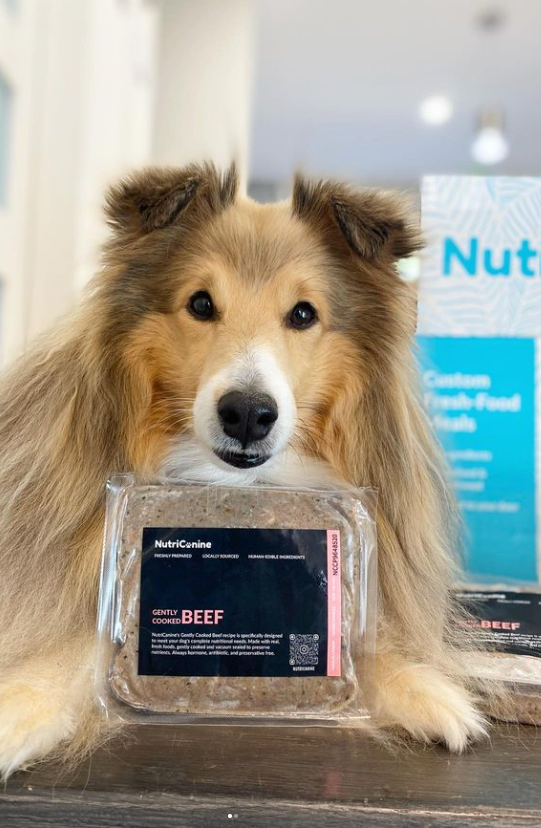
“I have three pups, all picky eaters, and they devoured their meals! I’m so happy to have found a quick, easy and super healthy food.”
 Verified Purchase
Best Dog Food for Senior Dogs
The best dog food for senior dogs supports healthy weight, muscle maintenance, joint comfort, and digestion while matching your dog’s individual needs. There is no single formula that works for every senior dog, so age, size, activity level, and health history all matter.
Best Dog Food for Senior Dogs
Senior dogs can change gradually, including how they move, digest food, and maintain muscle. The goal is to choose a complete and balanced diet that fits your dog today, then adjust as needed over time.
- Prioritize fit over labels: “Senior” on the bag is less important than the nutrition profile and ingredient quality.
- Match the food to your dog: Size, activity, appetite, and any known sensitivities can influence what works best.
- Reassess regularly: Small changes in weight, stool quality, or appetite can be a sign it is time to review the diet.
Best Dog Food for Senior Dogs for Weight, Muscle, and Energy
Protein for muscle support
Older dogs still need quality protein to help maintain lean muscle. Look for clearly identified animal proteins and a formula your dog digests well.
Calories for healthy weight
Many seniors are less active, so calorie needs can drop. Choose a calorie level that supports a stable, healthy weight and use portions that match activity.
Fat levels that fit your dog
Fat supports energy and palatability, but too much can contribute to unwanted weight gain for some dogs. A moderate approach is often easier to maintain.
Best Dog Food for Senior Dogs for Joint Comfort and Mobility Support
Many senior dogs experience stiffness or reduced mobility. Nutrition cannot treat joint disease, but a balanced diet can support overall comfort and mobility as dogs age.
- Omega 3 fatty acids: Often included from fish oil or similar sources.
- Complete and balanced nutrition: Helps support overall body condition and daily function.
- Healthy weight support: Maintaining a healthy weight can reduce strain on joints.
Best Dog Food for Senior Dogs for Digestion and Stool Quality
Digestion can become more sensitive with age. Many owners find that simpler, more digestible ingredients and steady portions help keep stool consistent.
- Easily digestible ingredients: Especially important if your dog is prone to gas or loose stools.
- Fibre that fits your dog: Too little or too much can affect stool quality, so it is worth watching how your dog responds.
- Gradual transitions: Changing foods slowly can reduce the chance of digestive upset.
If digestive changes are persistent or severe, it is important to consult a veterinarian to rule out underlying causes.
Best Dog Food for Senior Dogs and Picky Eaters and Dental Changes
Some senior dogs become pickier, and dental wear can make hard kibble less appealing. Texture and aroma can influence whether a dog eats consistently.
What often helps
- Softer textures or smaller pieces
- Moist or gently cooked meals for easier chewing
- Foods with a natural aroma that can be more enticing
What to watch
- Sudden appetite changes
- Chewing discomfort or dropping food
- Weight loss or fast weight gain
Standards to look for your Senior Dog
When shopping in Canada, look for clear nutrition standards and transparency so you can compare options confidently.
- Complete and balanced: Look for a statement that the food meets recognized nutritional standards such as AAFCO profiles.
- Clear ingredient listing: Named proteins and understandable ingredient lists are easier to evaluate.
- Support and guidance: Feeding guidelines and responsive customer support help when needs change.
For more feeding and transition tips, you can also explore the NutriCanine blog or the FAQ page.
Senior Dog Food Comparison Criteria
| Criteria | Why It Matters for Senior Dogs | What to Look For |
|---|---|---|
| Protein quality | Supports muscle maintenance | Named animal proteins and ingredients your dog digests well |
| Calorie density | Helps manage weight as activity changes | Moderate calories with portions matched to activity |
| Fat levels | Affects energy and weight balance | Moderate fat unless your dog needs otherwise |
| Omega 3 sources | Supports overall mobility and skin health | Fish oil or other omega 3 sources listed clearly |
| Fibre level | Impacts digestion and stool quality | Moderate fibre, adjusted based on your dog’s stool |
| Texture | Can affect chewing and consistent eating | Softer options for dental wear or picky eating |
| Transparency and standards | Makes it easier to compare and trust | Clear formulation standards and feeding guidance |
Why NutriCanine Might Work for your Senior Dog
NutriCanine can be a suitable option for many senior dogs because it focuses on digestible, gently cooked meals with a soft texture.
- Human grade, gently cooked ingredients
- Soft texture that may be easier to chew for some older dogs
- Personalized meal plans based on weight and activity level
- Adjustable portions as your dog’s needs change over time
- Delivered across Canada in temperature controlled boxes designed to help keep food cool during transit
As with any diet change, dogs with diagnosed medical conditions should be managed in consultation with a veterinarian.
If you want a quick starting point, you can build your dog’s plan based on age, weight, and activity level.
Build Your Dog's Plan
First-time customers receive 40% off their first purchase.
Build Your Dog's PlanDelivered across Canada · Easy transitions · Pause or cancel anytime
How to Transition your Senior Dog to Gently Cooked Dog Food
A gradual transition is often easier on a senior dog’s digestion. If your dog has a sensitive stomach, slower changes can be especially helpful.
- Days 1 to 3: Mix a small amount of the new food into the current food
- Days 4 to 6: Increase the new food while reducing the old food
- Days 7 to 10: Move toward the full new diet if stool and appetite stay steady
If your dog has ongoing digestive upset or a significant appetite change during a transition, it is worth checking in with your veterinarian.
Frequently Asked Questions
What is the best dog food for senior dogs?
The best dog food for senior dogs supports healthy weight, muscle maintenance, joint comfort, and digestion. There is no single formula that works for every dog, since size, activity level, and health history all influence nutritional needs. A complete and balanced food that matches your dog’s current condition is usually more important than the “senior” label alone.
At what age is a dog considered a senior?
Most dogs are considered seniors around age 7, but this varies by breed and size. Large breeds may show age related changes earlier, while small breeds often stay active longer. It is often more helpful to look at physical and behavioural changes rather than age alone.
Do senior dogs need less protein?
Senior dogs do not automatically need less protein. Many older dogs benefit from adequate, high quality protein to help maintain muscle mass. Protein restriction is generally only considered in specific medical situations under veterinary guidance.
Is fresh or gently cooked food good for senior dogs?
Fresh or gently cooked food can be a suitable option for many senior dogs, especially those who prefer softer textures. Texture and aroma may help encourage consistent eating. As with any diet, it should be complete and balanced for long term feeding.
Should I switch to a senior specific formula?
Not every dog requires a senior labelled formula. Some adult maintenance diets can continue to work well if your dog maintains a healthy weight and energy level. The decision should be based on your dog’s condition rather than age alone.
How can I help my senior dog maintain a healthy weight?
Maintaining a healthy weight usually involves choosing appropriate calorie levels and monitoring portion sizes. Activity level and metabolism often change with age, so regular weight checks are useful. Small, consistent adjustments tend to be more effective than large, sudden changes.
Should I talk to my veterinarian before changing my senior dog’s food?
It is generally a good idea to speak with your veterinarian before making a significant diet change, especially if your dog has a diagnosed health condition. They can help ensure the new food aligns with your dog’s specific needs. Sudden appetite changes or unexplained weight loss should also be discussed.
Ready to Build a Fresh Plan?
First-time customers receive 40% off their first purchase.
Build Your Dog's PlanDelivered across Canada · Easy transitions · Pause or cancel anytime