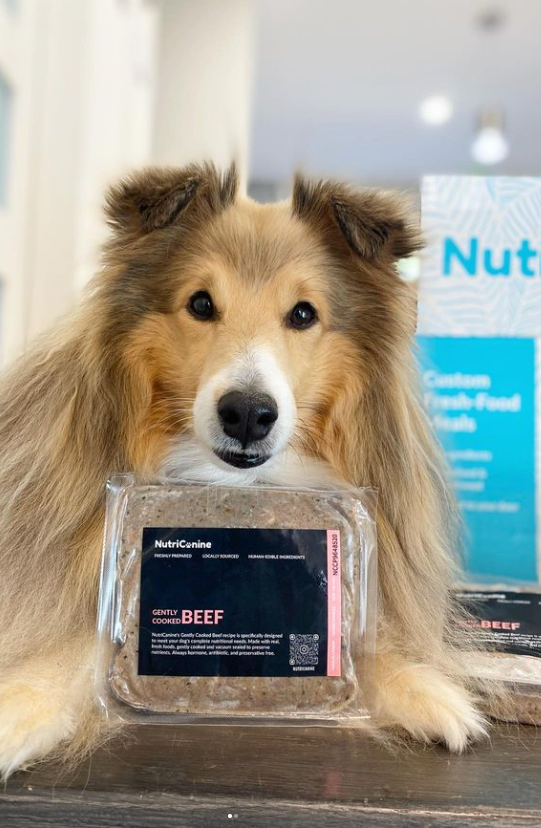
“I have three pups, all picky eaters, and they devoured their meals! I’m so happy to have found a quick, easy and super healthy food.”
 Verified Purchase
Smarter Oral Care for Dogs Starts in the Gut and Mouth
Smarter Oral Care for Dogs Starts in the Gut and Mouth
Maintaining optimal oral health is crucial for dogs, just as it is for humans. While daily tooth brushing is often touted as the gold standard for canine dental care, it’s not always practical or feasible for every pet owner. Fortunately, nutritional interventions, particularly probiotics and postbiotics, offer a promising avenue to support your dog’s oral health. This article will explore the canine oral microbiome, the science behind probiotics and postbiotics, and practical strategies for enhancing your dog’s dental care without solely relying on tooth brushing.

Understanding the Canine Oral Microbiome
The oral microbiome comprises a complex community of microorganisms residing in your dog’s mouth, including beneficial bacteria, fungi, and viruses. This community acts like an ecosystem, where various species coexist, interact, and compete for resources. In a healthy mouth, beneficial bacteria outnumber harmful ones, promoting a balanced environment. The role of the oral microbiome is crucial; it helps in:
- Breaking down food particles: Beneficial bacteria enzymes help digest food, reducing the risk of decay and plaque buildup.
- Producing antimicrobial substances: Good bacteria can produce substances that inhibit pathogens, protecting your dog from infections.
- Supporting immune function: A balanced microbiome can modulate your dog’s immune response, potentially reducing inflammation and promoting overall health.
The Consequences of Microbial Imbalance
Imbalances in the oral microbiome can occur due to several factors, including diet, stress, age, and underlying health conditions. When harmful bacteria proliferate, they produce acids and toxins that can damage gum tissue and lead to periodontal disease. This common condition affects the structures supporting the teeth and can result in painful infections, loose teeth, and even systemic health issues if bacteria enter the bloodstream (Zhang et al., 2020). Here are a few consequences of an imbalanced oral microbiome:
- Plaque Accumulation: It forms when bacteria adhere to teeth and produce a biofilm, which can harden into tartar if not removed.
- Bad Breath (Halitosis): Caused by the metabolites produced by harmful bacteria.
- Periodontal Disease: A serious condition characterized by gum inflammation, bone loss, and tooth loss.
By managing the microbiome through diet and functional ingredients, pet owners can support a healthier oral environment for their dogs.

Probiotics, Prebiotics, and Postbiotics: Key Definitions
To better understand how probiotics and postbiotics support oral health, let’s define these terms clearly.
- Probiotics are live beneficial bacteria that help maintain or restore gut and oral microbiome balance. They work by competing with harmful bacteria for resources and space, effectively lowering pathogen levels.
- Prebiotics are non-digestible fibers that serve as food for probiotics, promoting their growth and activity. They can enhance the performance and longevity of beneficial microbes in the gut and mouth.
- Postbiotics are by-products generated by probiotic bacteria, including metabolites and cell wall fragments that confer health benefits. These compounds can interact with the host's immune system and exert anti-inflammatory effects.
Each of these components plays a distinct role in modulating the oral microbiome, benefiting dogs’ oral health in various ways.
Postbiotics and Their Emerging Role
Recent research highlights the potential of postbiotics in oral health. For example, studies showed that postbiotics derived from Lactiplantibacillus plantarum significantly reduced plaque formation in dogs (Jones et al., 2022).
How Postbiotics Contribute to Oral Health:
- Biofilm Disruption: Postbiotics can disrupt existing biofilms where harmful bacteria thrive. This disruption allows the oral environment to be cleaned more effectively.
- Anti-inflammatory Effects: Many postbiotics demonstrate anti-inflammatory properties, which can help in reducing gum inflammation and promoting overall oral health.
- Immune Modulation: Postbiotics can influence the immune system and improve the host's resilience against harmful pathogens, enhancing the body's natural defenses.
- Support of Beneficial Bacteria Growth: Postbiotics can provide additional nutrients that enhance the growth and activity of beneficial microbes already present in the mouth.
What Are Postbiotics for Dogs? | The Next Step in Gut Health Explained
In this short explainer, veterinary surgeon Jim Willshire explains what postbiotics are, including microbial by-products and bacterial cell wall components, and how they help support a healthy gut environment in dogs.
Postbiotics and Their Role in Oral Health: Delving Deeper
Recent research highlights the potential of postbiotics, particularly those derived from Lactiplantibacillus plantarum, in enhancing oral health for dogs. Notably, studies have shown that postbiotics can significantly reduce plaque formation, offering a powerful alternative or complement to traditional dental cleaning methods (Jones et al., 2022). Understanding how these compounds contribute to oral health involves exploring their unique mechanisms and the ongoing evidence supporting their efficacy.
Biofilm Disruption
One of the most critical functions of postbiotics is their ability to disrupt biofilms, those complex communities of bacteria that adhere to surfaces, including your dog’s teeth. Biofilms in the oral cavity are composed of various microorganisms that thrive in a protective matrix, making them highly resilient to standard cleaning methods. Here’s how postbiotics intervene:
Mechanical Disruption: Postbiotics can alter the structural integrity of biofilms, preventing harmful bacteria from establishing a foothold. For instance, the heat-treated form of L. plantarum (Priome® Oral Care Postbiotic) has been shown to modulate oral biofilm composition effectively against pathogens like N. weaveri and N. zoodegmatis, notorious early colonizers of canine dental biofilms (Florit-Ruiz et al., 2025). The in vitro studies demonstrate that those postbiotics can completely inhibit these bacteria in a dose-dependent manner.
Metabolite Effects: Postbiotics release specific metabolites and bioactive peptides that can directly interfere with the adhesion of pathogenic bacteria to oral surfaces. By reducing the ability of harmful microbes to stick to teeth, these compounds facilitate easier removal of plaque during chewing or through standard oral hygiene practices.
Anti-Inflammatory Effects
Many postbiotics demonstrate anti-inflammatory properties that are crucial in managing oral health, particularly in reducing gum inflammation and promoting the healing of periodontal tissues.
Cytokine Modulation: Postbiotics such as those derived from L. plantarum can positively impact cytokine production in buccal epithelial cells, reducing inflammatory mediators that contribute to gingival inflammation. In studies where these postbiotics are applied, there have been observed decreases in pro-inflammatory cytokines, which are often elevated during periods of periodontal disease.
Long-term Gum Health: By alleviating inflammation, these postbiotics can help protect the gums from the chronic inflammatory responses that lead to periodontal disease. This contributes to a healthier environment in the mouth, allowing beneficial bacteria to thrive while diminishing the detrimental ones.
Immune Modulation
Postbiotics also play a pivotal role in modulating the immune response of the host, thereby enhancing resilience against harmful pathogens:
Support of the Immune System: The components of postbiotics, including their metabolites, can enhance immune system responses within the oral cavity, leading to heightened defense mechanisms against bacterial invasions. This immune modulation can be crucial in maintaining balance in the oral microbiome, ensuring that beneficial bacteria dominate.
Increased Resistance: Studies have indicated that consumption of postbiotics can lead to an increased abundance of beneficial microbial genes related to oxidative stress reduction and immune responses in the supragingival plaque (Florit-Ruiz et al., 2025). By promoting an environment that supports immunological health, postbiotics assist in thwarting the progression of oral diseases.
Support of Beneficial Bacteria Growth
Another vital benefit of postbiotics is their ability to support the growth of beneficial bacteria already present in the mouth:
Nutritional Contribution: Postbiotics can provide essential nutrients for beneficial oral microbes, helping them to flourish. This support is instrumental in maintaining a healthy balance of the oral microbiome. For example, the growth-promoting factors found within postbiotics encourage the proliferation of non-pathogenic species that compete for resources with harmful bacteria.
Balanced Oral Microflora: The introduction of postbiotics helps create a balanced oral microflora by suppressing the overgrowth of pathogenic species while supporting the growth of those that contribute to periodontal health and good breath. This is particularly important for managing conditions like halitosis and ensuring long-term dental well-being.
Evidence Supporting Postbiotics Usage
Recent studies specifically focusing on the effects of heat-treated L. plantarum have brought to light the strong correlation between postbiotic administration and improved oral health metrics in dogs. A randomized, blinded, placebo-controlled clinical trial involving 60 dogs over 57 days pointed to significant reductions in plaque levels. A pivotal finding from this trial was that, while a low dose of the postbiotic showed a trend toward plaque reduction (non-significant), a high dose successfully achieved over a 10% statistically significant reduction (Florit-Ruiz et al., 2025). Oral care postbiotics distinguish themselves as a scientifically-backed ingredient, recognized for various benefits, such as:
- Promoting normal periodontal health.
- Supporting gum tissue and healthy teeth.
- Maintaining normal oral microflora and balancing dogs' oral microflora.
- Helping reduce plaque formation.

Supporting Oral Health Through Nutritional Interventions
Beyond probiotics and postbiotics, other nutritional ingredients can also enhance your dog’s oral health. Implementing a comprehensive dietary approach allows pet owners to target multiple aspects of oral hygiene effectively.
Functional Fibers
Incorporating functional fibers into your dog’s diet can have various mechanical and biochemical benefits:
- Mechanical Action: Crunchy textures from fibers may help mechanically remove plaque and food particles from teeth during chewing.
- Saliva Production: Increased fiber intake stimulates saliva production, which helps to wash away food debris and harmful bacteria.
- Prebiotic Benefits: Fiber can act as a prebiotic, providing nourishment for beneficial bacteria, thus supporting their growth and activity in the oral microbiome (Memar et al., 2021).
- Reduced Plaque and Tartar: Some functional fibers may bind to bacteria and help eliminate them from the oral cavity, thereby preventing plaque formation.
Natural Botanicals & Herbs
Natural botanicals, such as peppermint, parsley, and neem, possess antimicrobial properties that can aid in maintaining oral health. These compounds can help through the following mechanisms:
- Antimicrobial Actions: Botanicals help reduce the levels of harmful bacteria in the mouth, decreasing plaque accumulation and promoting fresher breath.
- Anti-inflammatory Effects: Many botanicals have anti-inflammatory properties that can help soothe irritated gums, reducing the risk of gingivitis and periodontal disease.
- Antioxidant Properties: Botanicals can also provide antioxidants that combat oxidative stress in the oral cavity, which contributes to overall health.
- Flavor Enhancement: Some botanicals can enhance the palatability of dental care products, making them more appealing to finicky eaters.

Practical Takeaways for Pet Owners
- Incorporate Postbiotics: Explore options that include postbiotics derived from beneficial bacteria like Lactiplantibacillus plantarum. These can provide additional benefits in disrupting biofilms and promoting gum health.
- Utilize Functional Foods: Incorporate foods rich in functional fibers and natural botanicals into your dog’s diet to promote comprehensive oral health through both mechanical and antimicrobial means.
- Scheduled Professional Cleanings: Never underestimate the importance of regular veterinary dental check-ups. These are essential for detecting dental issues early and ensuring that your dog’s teeth and gums remain in good condition.
- Supplement Wisely: Consider using products like NutriCanine’s Dental Defence, which combine various functional ingredients, postbiotics, prebiotics, and natural botanicals, to promote oral health conveniently and effectively.

Expert Insight from a Pet Nutritionist
Andrea Geiger, a certified pet nutritionist, emphasizes that a multipronged approach to canine oral health can be exceedingly beneficial. “While brushing is certainly a good practice, it’s not always feasible for every owner or every dog. By incorporating targeted oral care postbiotics into a dog's diet, pet owners can help tilt the microbial balance in favor of dental health. The focus should be on creating a thriving environment for beneficial microorganisms, which enhances their natural resistance to periodontal disease,” she explains.
Conclusion
Effective oral care for dogs goes beyond daily tooth brushing. By understanding the canine oral microbiome and leveraging the benefits of probiotics, prebiotics, and postbiotics, pet owners can significantly enhance their dog's oral health. Implementing functional ingredients not only provides comprehensive support but also fosters a balanced oral ecosystem, reducing the risk of dental disease.
As research continues to emphasize microbiome modulation over the sole eradication of bacteria, adopting these evidence-based nutritional practices can empower pet owners to contribute to their dog’s overall well-being. With the right approach, you can ensure that your canine companions maintain healthy, happy smiles for years to come.
References
- Gross, A. K., et al. (2021). The role of the oral microbiome in canine periodontal disease. Veterinary Research, 52(1), 78.
- Jones, M., et al. (2022). Efficacy of Lactiplantibacillus plantarum postbiotics on dental plaque reduction in dogs: A clinical study. Journal of Animal Nutrition and Metabolism, 67(2), 154-162.
- Memar, M. Y., et al. (2021). Prebiotic fiber and its role in maintaining oral health: A review. Frontiers in Veterinary Science, 8, 641456.
- Santos, J. R., et al. (2019). Probiotics as a complementary therapeutic approach for periodontal disease. Animals, 9(12), 1134.
- Zhang, Y., et al. (2020). The canine oral microbiome and its link to periodontal disease: A critical review. Frontiers in Veterinary Science, 7, 324.
- Florit-Ruiz A, Rago L, Rojas A, Guzelkhanova B, Pont-Beltran A, et al. (2025). Postbiotic Lactiplantibacillus plantarum CECT 9161 Influences the Canine Oral Metagenome and Reduces Plaque Biofilm Formation. Animals, 15(11), 1615. DOI: 10.3390/ani15111615. PubMed ID: 40509083. PMC: 12153843.
- Wallis C, et al. (2021). Influence of wet and dry commercial diets on the oral microbiota of Yorkshire terriers. Veterinary Journal, 275, 105717.